Written by: Ryan Gardner, Owner, Managing Partner, CEO, Bucked Up | Last updated: April 17, 2026
Key Takeaways for Delaying Muscle Fatigue
- Creatine supplementation increases phosphocreatine stores, which supports rapid ATP regeneration and delays muscle fatigue during high-intensity exercise.
- Beta-alanine buffers lactic acid through elevated carnosine levels, while L-citrulline supports endurance by boosting nitric oxide and reducing ammonia buildup.
- Bucked Up offers creatine as micronized monohydrate powder, HCl capsules, multi-form Six Point blends, and convenient gummies or candy, all with a focus on NSF certification and low-bloat support.
- Stacks that combine creatine with beta-alanine and L-citrulline can increase repetitions, power output, and recovery. Daily maintenance plus solid hydration (80-100oz) keeps results consistent.
- Ready to crush fatigue and boost performance? Explore these science-backed formulations and match them to your training goals.
How Creatine, Beta-Alanine, and L-Citrulline Delay Muscle Fatigue
Muscle fatigue during high-intensity exercise often comes from ATP depletion and the buildup of metabolic byproducts. Creatine increases phosphocreatine stores in muscles, which supports rapid ATP regeneration during short, intense efforts. Salem et al.'s 2026 study showed that three days of creatine monohydrate significantly increased repetitions and peak bar velocity.
Beta-alanine works alongside creatine by raising muscle carnosine levels. Higher carnosine helps buffer lactic acid during intense sets, which can delay the burning sensation that limits performance. L-citrulline supports endurance by enhancing nitric oxide production and reducing ammonia buildup, which can improve blood flow and help you sustain effort. Wang et al.'s 2024 meta-analysis found that creatine plus resistance training significantly increased upper and lower body strength.
Creatine helps delay muscle fatigue through ATP regeneration, which supports extra repetitions and more stable power output. When you choose a supplement for fatigue, consider Bucked Up's multi-form creatine stacks and match the format to your absorption preferences and daily routine.
Best Supplements for Muscle Fatigue: What to Prioritize
Effective fatigue support usually targets several pathways at once, including ATP regeneration, lactic acid buffering, and endurance support. The following five options represent commonly used, research-backed approaches across these mechanisms:
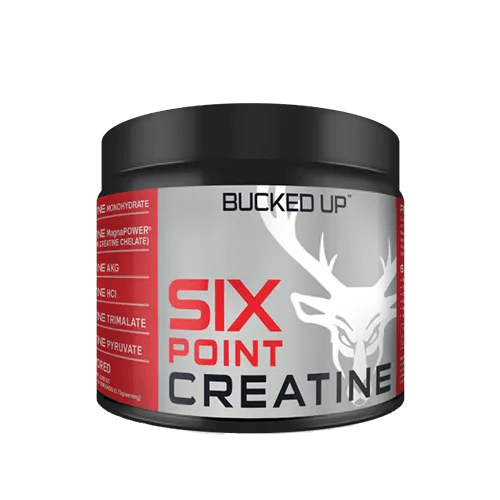
- Bucked Up Six Point Creatine (5.75g daily): Multi-form creatine blend designed for varied absorption profiles.
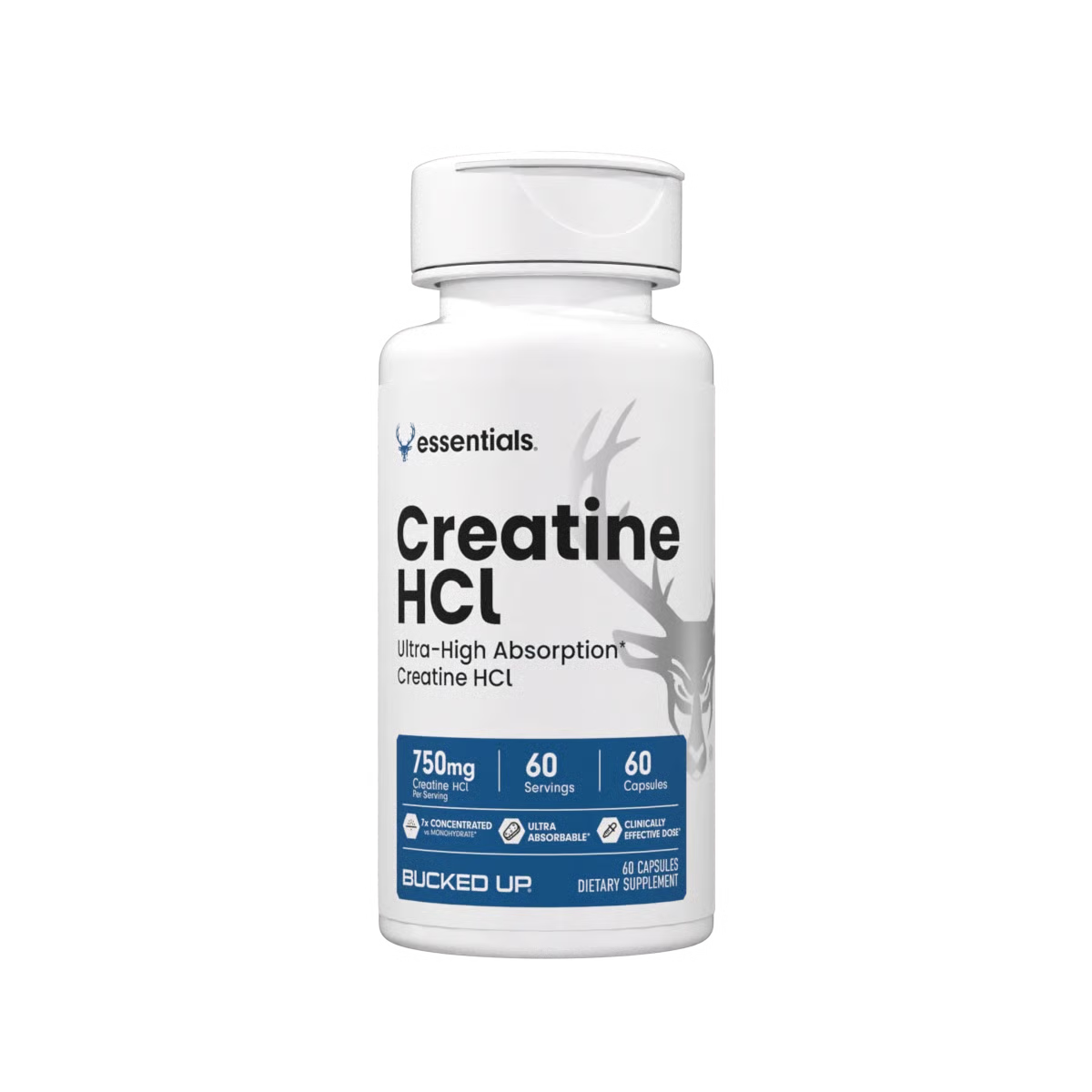
- Bucked Up Creatine HCl (1–2 capsules, 750mg each): Highly soluble creatine format with a low-bloat experience for many users.
- Beta-alanine (3.2–6.4g daily): Carnosine booster that helps neutralize lactic acid during hard efforts.
- L-citrulline (6–8g daily): Endurance support through nitric oxide enhancement and ammonia reduction.
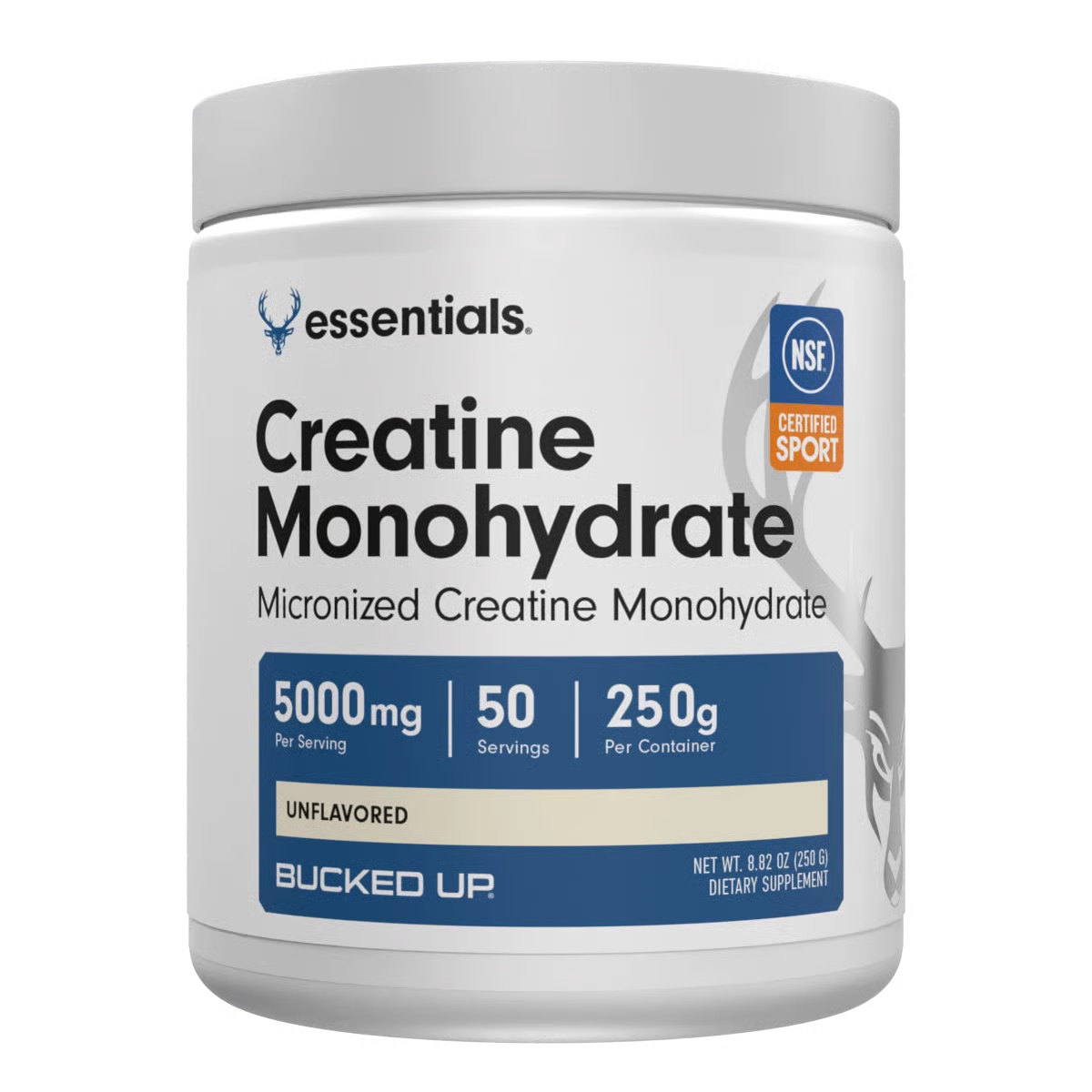
- Bucked Up Pure Creatine (5g daily): 99.8% micronized monohydrate that supports reliable creatine saturation.
Top 10 Creatine Products and Complementary Ingredients for 2026
1. Bucked Up Pure Creatine & Six Point Creatine
Bucked Up Pure Creatine provides 99.8% micronized creatine monohydrate with NSF Sport certification. Six Point Creatine combines six creatine forms to create a broader absorption profile. Research shows creatine monohydrate can increase repetitions at 60–80% 1RM with effect sizes of 0.72–1.6.
Pros: NSF-certified purity, multiple flavor options, well-studied monohydrate base
Cons: Requires mixing, powder-only format
Bucked Up Edge: 99.8% micronization reduces grittiness, while Six Point offers a multi-form approach.
"Mixes perfect with your pre-workout. After 15+ years of being stubborn and not trying creatine I finally decided to try it. After about 2 months I put on about 10lbs after being at the same weight for years."
2. Bucked Up Creatine HCl & Babe Creatine
Bucked Up Creatine HCl and Babe Creatine use CON-CRĒT® Creatine HCl at 750mg per capsule. This format provides about 41 times greater water solubility than monohydrate, which can support a lower-bloat experience for many people.
Pros: No mixing, convenient capsules, precise dosing
Cons: Higher cost per gram, less research than monohydrate
Bucked Up Edge: Vegetarian capsules and a gender-targeted Babe Creatine option.
"No bloating as long as I keep up with the proper water intake and definitely noticing it provide a better pump and growth."
3. Bucked Up Creatine Gummies & Candy
Bucked Up Creatine Gummies and candy provide 5g creatine monohydrate per serving in portable, ready-to-eat formats. Research indicates that gummies can match powder bioavailability when doses are equal, and the flavor and convenience can improve consistency.
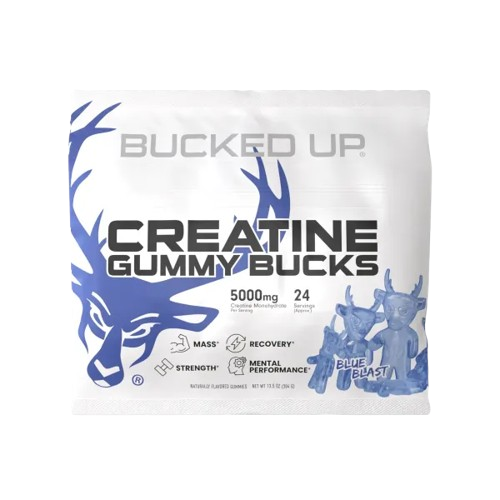
Pros: High convenience, no shaker needed, travel-friendly, enjoyable taste
Cons: Higher cost per serving, some versions include added sugars
Bucked Up Edge: Sugar-free gummy options and fizzy creatine candy for users who want variety.
4. Bucked Up Buck Build & All Bulk No Bloat
Buck Build and All Bulk No Bloat combine creatine with L-glutamine, betaine, and other recovery-supporting ingredients. Buck Build uses multiple creatine forms plus glutamine to support recovery, while All Bulk No Bloat offers a zero-calorie mass-gainer style approach for users focused on lean size.
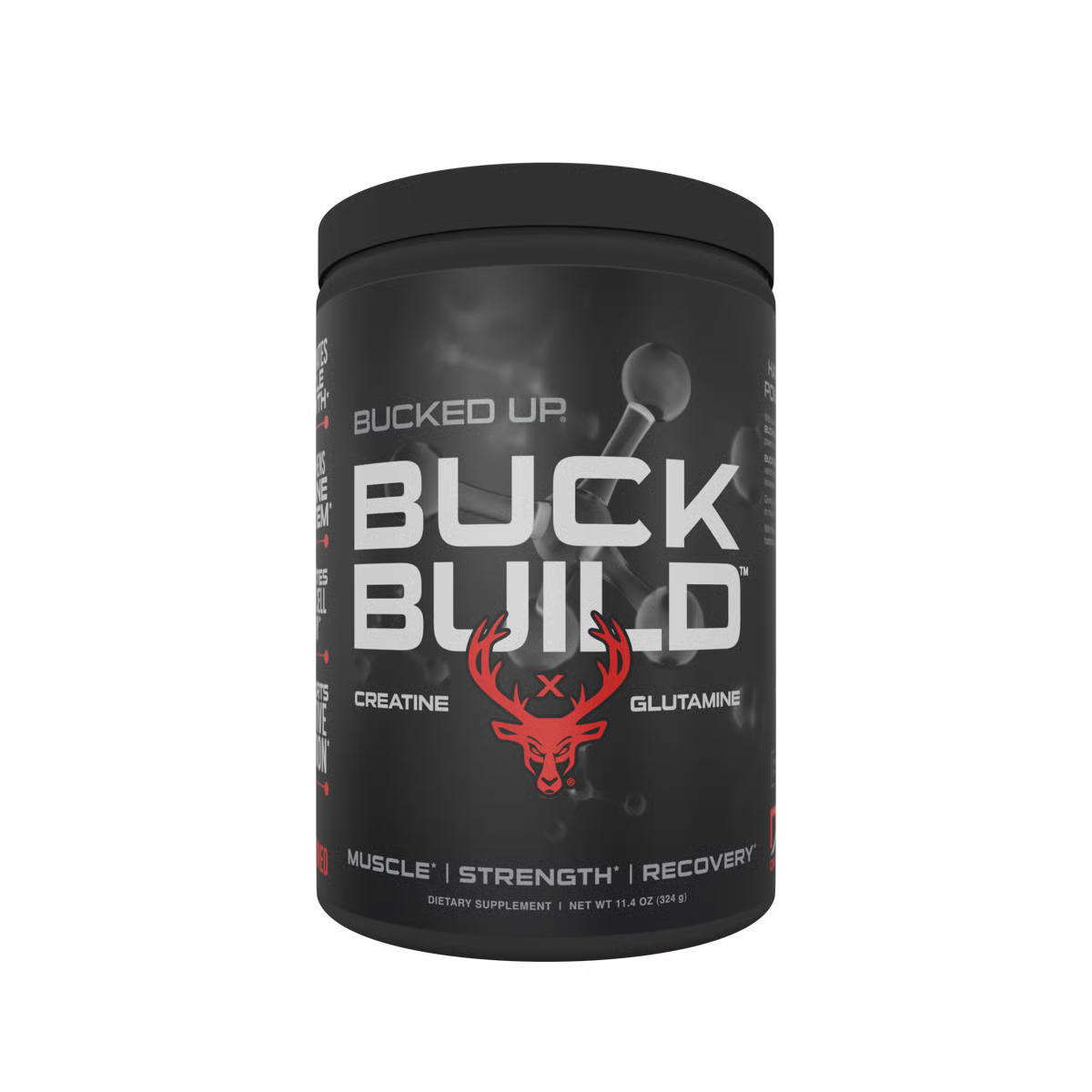
Pros: Multi-ingredient support, recovery and performance in one product
Cons: More complex labels, several active ingredients to track
Bucked Up Edge: Distinct formulation strategy that targets both performance and recovery.
5. Beta-Alanine Supplements for Lactic Acid Buffering
Beta-alanine raises muscle carnosine levels, which helps buffer lactic acid during high-intensity exercise. Effective daily intake usually ranges from 3.2–6.4g, split into smaller servings to reduce tingling sensations for sensitive users.
6. L-Citrulline Supplements for Endurance Support
L-citrulline at 6–8g daily supports endurance by increasing nitric oxide production and limiting ammonia buildup during exercise. This combination can improve blood flow and help you maintain performance during longer sessions.
7. Betaine Anhydrous for Power and Body Composition
The effective dose of betaine anhydrous is about 2.5g daily for power output, endurance, and body composition support. Many comprehensive pre-workout formulas include this amount.
8. Taurine for Hydration and Oxidative Stress
Taurine at 1–2g daily supports fluid balance and may help reduce exercise-related oxidative stress, especially during longer or more intense training blocks.
9. HMB (β-Hydroxy β-Methylbutyrate) for Muscle Protection
HMB at around 3g daily may help reduce muscle protein breakdown during demanding training phases, which can support recovery and muscle retention.
10. Comprehensive Pre-Workout Blends for Convenience
Comprehensive pre-workout blends combine creatine, beta-alanine, L-citrulline, and other fatigue-focused ingredients in a single scoop. This approach can simplify stacking for users who prefer one product instead of several separate supplements.
The following comparison highlights how Bucked Up's multi-form creatine options and varied delivery formats differ from brands that focus on single-form powders.
| Product | Creatine Forms | Purity/Certifications | Available Formats | Daily Dose |
|---|---|---|---|---|
| Bucked Up Six Point | 6 different types | 99.8% purity, NSF Sport | Powder, gummies, candy | 5.75g |
| Transparent Labs | Monohydrate only | NSF certified | Powder | 5g |
| Thorne | Monohydrate only | NSF Sport | Powder, capsules | Standard dose |
Best Stacks to Maximize Fatigue Delay
Thoughtful stacking can amplify fatigue support by combining ATP regeneration, buffering, and endurance ingredients in a single routine.
Pre-Workout Stack: Six Point Creatine at the standard 5.75g dose + beta-alanine (3.2g) + L-citrulline (6g) taken about 30 minutes before training.
Intra/Post-Workout Stack: Pure Creatine (5g) paired with Buck Build to support recovery and muscle protein synthesis after demanding sessions.
Daily Maintenance Stack: Creatine Gummies (5g) plus HCl capsules (about 1.5g) for users who want consistent saturation with maximum convenience.
Remember the 80–100oz daily water target discussed earlier, since hydration becomes even more important when stacking several supplements. Build your personalized stack using these protocols as a starting point.
Practical Tips for Athletes and Everyday Lifters
Athletes who focus on power output and recovery often benefit from higher-dose protocols with Six Point Creatine or Pure Creatine, because these formats deliver full creatine content per serving. Health-conscious users who want to maintain muscle mass and support cognitive function can choose gummies or HCl capsules, trading a slightly higher cost for convenience and easier daily adherence.
Regardless of format, three principles help you get the most from creatine. Maintain daily saturation by continuing on rest days, since muscle creatine stores deplete slowly over time. Take creatine when it fits your schedule, whether pre-workout, post-workout, or at another consistent time, because long-term saturation matters more than exact timing. Support creatine's effects with 80–100oz of water each day to maintain hydration. Loading phases remain optional, and 3–5g daily maintenance doses can provide similar long-term benefits.
Frequently Asked Questions
Does creatine stop muscle fatigue?
Creatine supplementation significantly delays muscle fatigue by replenishing ATP stores during high-intensity exercise. Studies show increased repetitions, stronger power output, and reduced cardiovascular strain during resistance training sessions.
What's the difference between creatine pills vs powder?
Capsules provide convenience and precise dosing without any mixing, which many users prefer for travel or busy days. Powders usually cost less per serving and allow flexible dosing. Creatine HCl capsules may feel easier on the stomach for some people compared with monohydrate powders, although both forms raise muscle creatine levels effectively.
Should I take creatine on rest days?
Yes. Daily creatine intake helps maintain muscle saturation, which supports ATP regeneration for your next training session. Consistency over weeks and months matters more than the specific time of day.
Can I take creatine before bed?
Yes. Creatine contains no stimulants and can be taken at night. Focus on taking it at a time you can repeat every day to keep muscle stores steady.
How much water should I drink with creatine?
Aim for 80–100oz of water daily when using creatine. Take capsules with 8–12oz of water and keep sipping fluids throughout the day to support normal cellular function and reduce dehydration risk.
Is creatine safe for people with diabetes?
People with diabetes should speak with their physician before starting creatine. Clinicians often monitor renal function with markers that do not depend on creatinine metabolism, such as GFR and cystatin C, especially for those with existing or potential kidney concerns.
Conclusion: Matching Bucked Up Creatine to Your Goals
Bucked Up's creatine lineup covers multiple needs, from straightforward monohydrate powders to multi-form blends and portable gummies. Six Point Creatine focuses on diverse absorption, HCl capsules support a low-bloat experience for many users, and gummies or candy formats make daily use easier to maintain. Review the full Bucked Up creatine lineup and choose the combination that fits your training style, schedule, and performance goals.