Written by: Ryan Gardner, Owner, Managing Partner, CEO, Bucked Up | Last updated: April 17, 2026
Key Takeaways for Brain-Focused Creatine Loading
- Creatine loading with 20 grams daily for 5–7 days rapidly saturates brain phosphocreatine stores and supports focus, memory, and processing speed under stress or sleep deprivation.1
- Recent 2024 meta-analyses report meaningful cognitive benefits, especially for attention and memory in adults 18–60, with stronger effects in females for processing speed.1
- No-bloat options like creatine HCL, gummies, and dissolvable candy from Bucked Up offer convenient absorption with fewer traditional powder side effects.1
- A 5-step protocol using split doses every 4 hours, solid hydration, progress tracking, and a 3–5 gram maintenance phase supports ongoing brain performance.1
- Experience peak cognitive performance without bloat and explore Bucked Up creatine products for a science-backed mental edge.1
How Creatine Loading Supports Brain Energy and Focus
Creatine loading uses 20 grams per day, usually split into four 5-gram servings over 5–7 days, to quickly saturate phosphocreatine stores in muscle and brain tissue.1 This compound crosses the blood-brain barrier and acts as an energy buffer for neurons, especially during stress or sleep loss.1
A July 2024 systematic review and meta-analysis in Frontiers in Nutrition analyzed 16 randomized controlled trials with about 500 participants. The authors reported statistically significant improvements in memory, attention, and information processing speed with creatine monohydrate.1 Effects appeared stronger for processing speed in females and for attention in adults aged 18–60 years.
Research published in Scientific Reports in February 2024 showed that a single high oral dose of creatine monohydrate at 0.35 g per lb of body weight partially reversed cognitive decline after 21 hours without sleep.1 MRI spectroscopy revealed higher brain phosphocreatine levels, more stable pH, and faster processing speed compared to placebo.1
Given these demonstrated cognitive benefits, the U.S. supplement market has shifted toward convenient delivery methods like gummies, capsules, and dissolvable tablets to support consistent use.1 Bucked Up’s NSF certified products provide 99.8% pure micronized creatine in several formats that fit the schedules of busy professionals and athletes.
No-Bloat Creatine Forms for Cognitive Loading
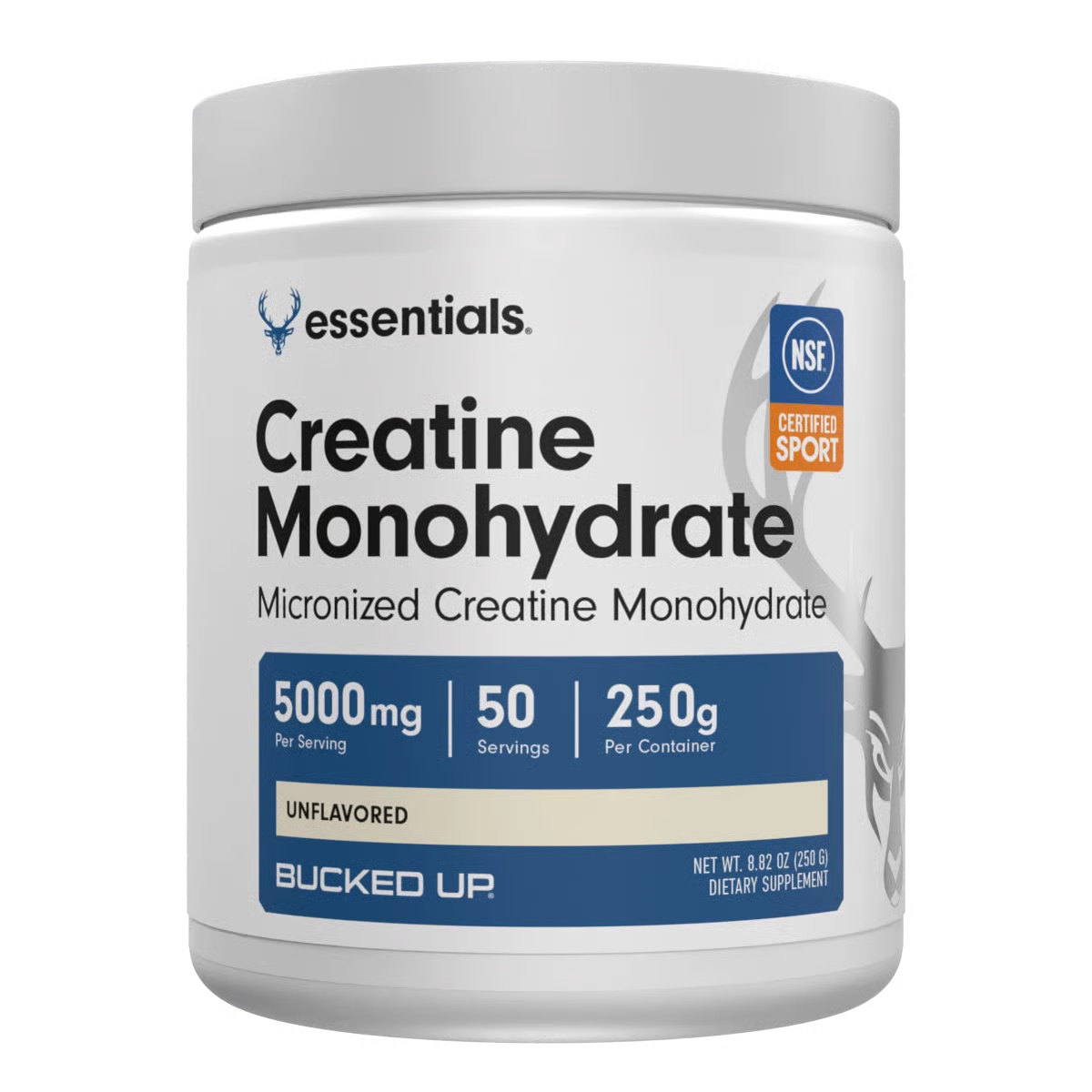
Creatine forms differ in solubility, absorption, and digestive comfort, which matters during loading. Creatine monohydrate offers the most research support with standard 5-gram servings, while creatine HCL provides higher solubility at smaller doses.
| Form | Typical Dose | Cognitive Loading Advantage |
|---|---|---|
| Bucked Up Pure Creatine (Monohydrate) | 5g per serving | Extensive research support, flavored options |
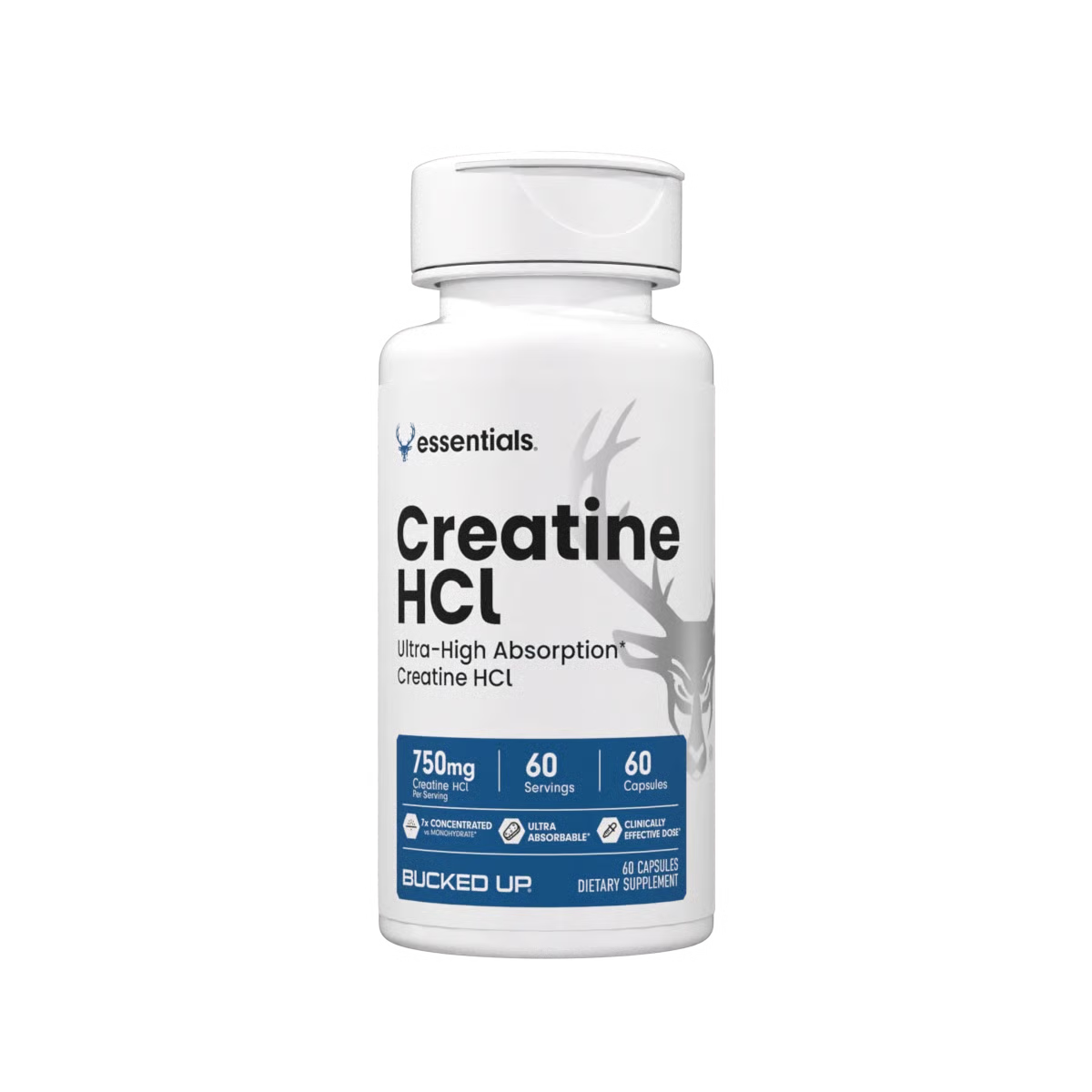
| Bucked Up Creatine HCL | 750mg per capsule | Bloat-free feel, rapid dissolution and absorption |
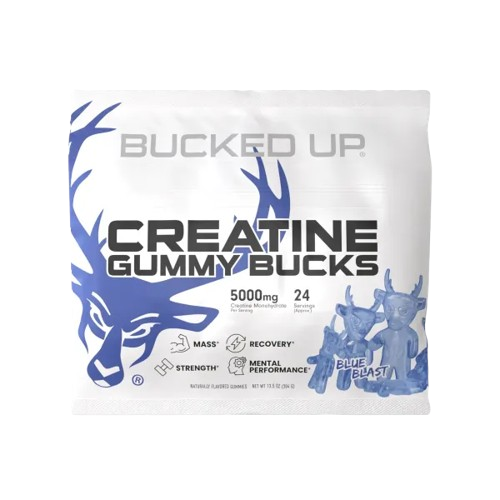
| Bucked Up Creatine Gummies | 5g per 5 gummies | Portable format, no shaker or mixing |
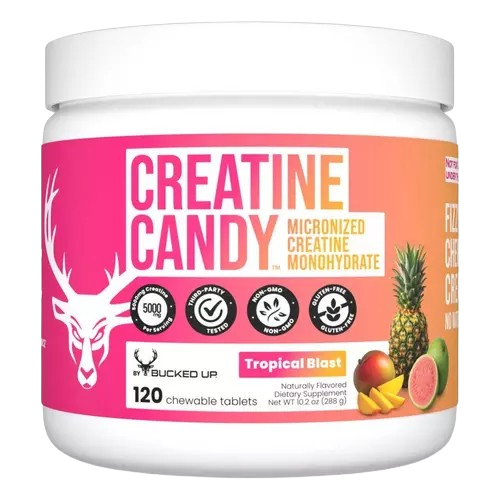
| Bucked Up Creatine Candy | 5g dissolvable tablet | Fast dissolution, pocket-friendly convenience |
Creatine HCL shows about 41 times greater water solubility than creatine monohydrate and higher permeability across the intestinal lining. This profile can support faster absorption and may reduce digestive discomfort during loading.1
For cognitive loading, split doses across the day support steady tissue uptake.1 HCL capsules, gummies, and candy fit well for people who want bloat-free brain saturation without mixing powders.1 Explore Bucked Up creatine formats tailored for cognitive performance without the bloat.
Research-Backed Cognitive Benefits of Creatine
Recent trials highlight creatine’s ability to support several cognitive domains, especially under demanding conditions.1 The July 2024 Frontiers in Nutrition meta-analysis mentioned earlier quantified memory improvements with an effect size of SMD = 0.31 (95% CI: 0.18–0.44), indicating measurable gains across varied groups.1
A 2025 randomized, double-blind, placebo-controlled crossover trial in Nutrients followed physically active men during a 7-day creatine monohydrate loading phase using the standard 20-gram daily protocol. Participants improved performance on the digit cancellation test, which measures attention, processing speed, and executive function.1
The February 2024 Scientific Reports study referenced earlier also noted that some sleep-deprived participants exceeded their baseline cognitive scores. This pattern suggests creatine may not only protect against decline under stress but can also elevate performance beyond usual levels.1
| Timeline | Cognitive Effect | Research Evidence |
|---|---|---|
| Days 1–7 (Loading) | Rising brain phosphocreatine saturation | Scientific Reports 2024 |
| Week 2–4 | Noticeable gains in focus and memory recall | Frontiers in Nutrition 2024 |
| 4–6 Weeks | Maintained cognitive improvements with continued use | Nutrients 2025 |
Mild digestive discomfort can occur during loading with traditional powders. Forms such as HCL capsules, gummies, and dissolvable tablets can help reduce these issues for many users.1
5-Step Creatine Loading Plan for Sharper Thinking
Step 1: Loading Dose – Take 20 grams of creatine per day, split into four servings of 5 grams with meals or carb-rich snacks. Bucked Up gummies (5 pieces = 5g) or HCL capsules (7 capsules ≈ 5g) make it easier to divide doses.
Step 2: Optimal Timing – Space servings about every 4 hours during the day, including morning and post-stress periods. Continue this pattern on rest days so brain creatine levels stay elevated.
Step 3: Hydration Protocol – Creatine draws water into cells during loading, so increase water intake to 80–100 ounces per day. This supports cellular uptake and can reduce digestive discomfort from higher doses.1
Step 4: Monitor Progress – Track changes in focus, reaction time, and mental fatigue during demanding tasks across the loading week. Simple notes on work output, study sessions, or training decisions can reveal patterns.
Step 5: Transition to Maintenance – After 5–7 days, shift to a daily maintenance dose of 3–5 grams to sustain cognitive benefits and phosphocreatine levels.1
This stepwise plan aims for effective brain creatine saturation while limiting common gastrointestinal issues associated with large powder servings.
Sample Loading Schedules with Bucked Up Products
For Busy Professionals: Bucked Up Creatine Candy offers fast dissolution and discreet use at work. Take one 5-gram tablet at breakfast, lunch, an afternoon break, and in the evening.
For Athletes: Pair Bucked Up Pure Creatine with existing training routines. Mix a 5-gram serving into a morning protein shake, pre-workout drink, post-workout recovery shake, and an evening meal.
For Health-Conscious Individuals: Bucked Up Creatine HCL capsules provide precise dosing with a lower risk of bloating for many users. Take 7 capsules, or about 5 grams of creatine, four times per day with meals.
Choose the loading schedule that fits your daily rhythm, whether you focus on office performance, athletic output, or general cognitive support.
Common Creatine Concerns and How Bucked Up Addresses Them
Traditional creatine loading can feel challenging because large powder servings sometimes cause bloating or stomach upset. HCL capsules, gummies, and candy use more soluble formats that many people find easier to tolerate.
The need for a loading phase remains debated, yet research on single high doses showing rapid cognitive effects supports the value of faster saturation when time-sensitive mental performance matters.
People using medications that affect kidney function or blood sugar should speak with a healthcare professional before starting creatine. Bucked Up’s NSF Sport certification supports product purity and suitability for tested athletes.
Claims that creatine causes dehydration or kidney damage in healthy users are not supported when hydration is adequate and products meet high purity standards.1
How to Pick a Creatine Product for Cognitive Support
Choosing creatine for brain health starts with purity, convenience, absorption, and third-party testing. Certifications such as NSF and GMP help confirm manufacturing quality and accurate labeling.
Convenience strongly influences consistency during loading. Powders require mixing and measuring, while capsules, gummies, and dissolvable tablets remove preparation steps and fit better into busy days.
Absorption often favors highly soluble forms like creatine HCL or micronized monohydrate. Bucked Up delivery formats aim to support regular use while aligning with the cognitive benefits seen in research.
Purity above 99% supports effective tissue saturation with fewer contaminants. Independent testing and clear labels give added confidence in dose accuracy and product quality.
Frequently Asked Questions
How long does creatine take to boost cognitive function?
Many people notice cognitive changes within 5–7 days during a loading phase, with fuller benefits building over 4–6 weeks of steady use.1 A 20-gram daily loading protocol speeds brain phosphocreatine saturation compared with 3–5 gram maintenance doses that can take 3–4 weeks to fully saturate tissues. People with lower baseline creatine levels, such as some vegetarians, may see faster or more noticeable improvements.
What is the creatine loading phase for cognitive performance?
The cognitive loading phase uses 20 grams of creatine per day, split into four 5-gram servings taken about every 4 hours for 5–7 days. This schedule rapidly raises brain phosphocreatine stores and supports focus, processing speed, and mental resilience.1 After loading, a daily maintenance dose of 3–5 grams helps preserve these benefits.
Which creatine form works best for cognitive function?
Creatine monohydrate has the most extensive research base for cognitive outcomes. Creatine HCL offers higher solubility and may reduce bloating for people sensitive to standard powders. When total creatine content matches, both forms can support similar cognitive results, so convenience and tolerance often guide the best choice.
Does creatine help with brain fog?
Creatine can ease brain fog for some users by increasing brain ATP availability and phosphocreatine stores, especially during stress, sleep loss, or heavy mental workloads.1 It supports cellular energy metabolism in neurons, which can promote clearer thinking and better mental clarity. Effects tend to be more noticeable in people with high cognitive demands or lower starting creatine levels.
When should I take creatine for cognitive function?
Consistency matters more than exact timing for cognitive effects because creatine works through tissue saturation rather than short-term spikes. During loading, split doses every 4 hours support uptake. For maintenance, taking creatine with meals can aid absorption and reduce stomach upset. Continue on non-training days to keep brain levels steady.
Conclusion: Use Creatine Loading for Lasting Focus
Creatine loading offers a research-supported way to enhance cognitive performance, with 20-gram daily protocols often improving focus, processing speed, and mental resilience within a week.1 Bucked Up gummies, HCL capsules, and dissolvable candy help sidestep common powder issues like bloating and mixing hassles.
Long-term benefits depend on consistent use, with loading phases speeding early saturation and maintenance doses preserving gains. Bucked Up provides creatine options that combine purity, convenience, and scientific support for people who want to prioritize cognitive performance.
1 The content provided in this article is for informational purposes only and is not medical advice. Consult with a medical professional before implementing any changes to your diet, health, or exercise routines.
Individual results will vary and are based on a combination of each individual’s diet, exercise, age, and health circumstances.
These statements have not been evaluated by the Food and Drug Administration. This product is not intended to diagnose, treat, cure or prevent any disease.
This article was written by Ryan Gardner, CEO of Bucked Up. As the maker of Bucked Up Creatine, we have a financial interest in this information. The views expressed are our own and should be read with that context in mind