Written by: Ryan Gardner, Owner, Managing Partner, CEO, Bucked Up | Last updated: April 17, 2026
Key Takeaways
- Traditional mass gainers often cause bloating and cramping because of high-carb formulas, which can slow athlete recovery.1
- Serious athletes benefit from mass gainers that focus on clean proteins, balanced macros, and recovery ingredients like creatine, HMB, and glutamine.1
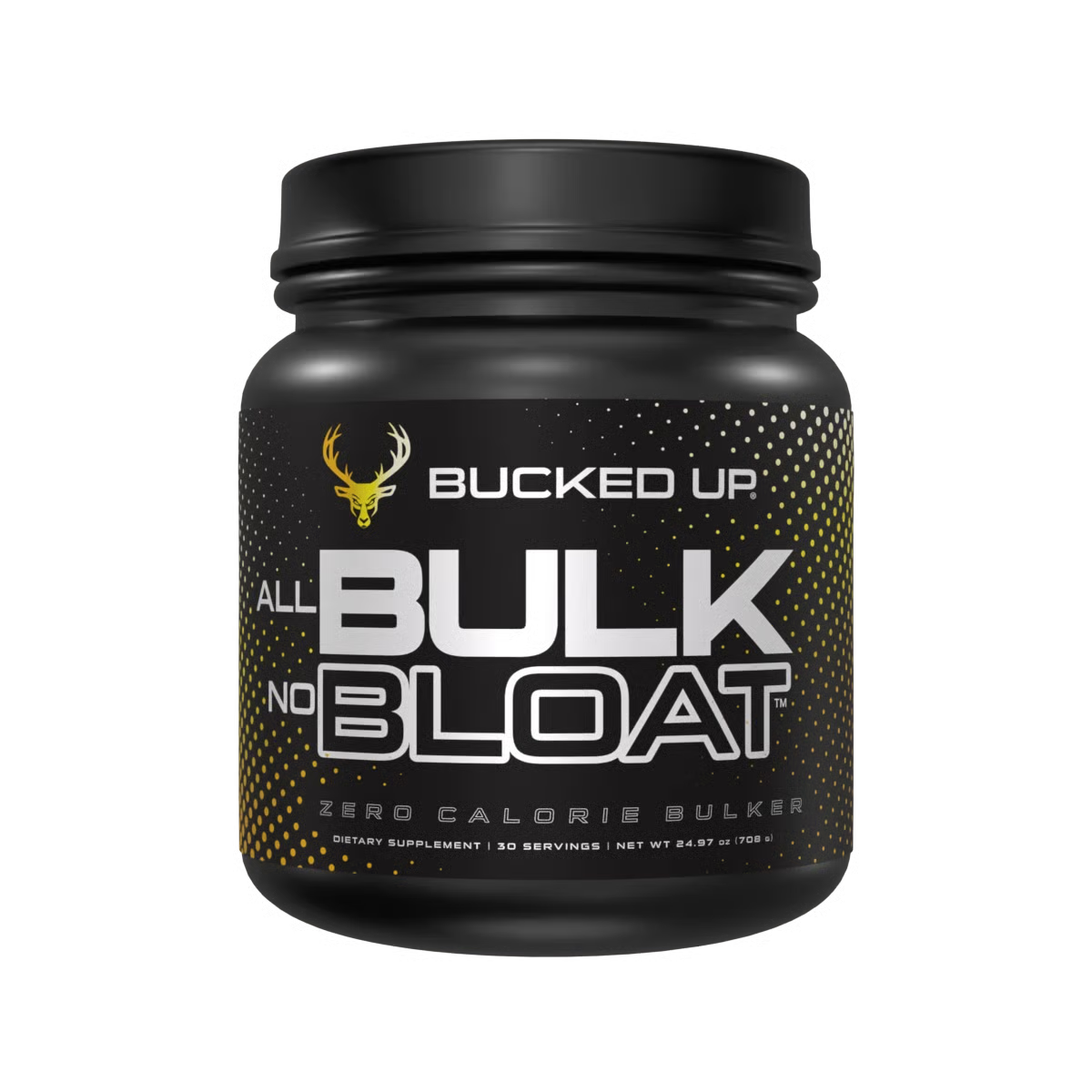
- Bucked Up All Bulk No Bloat stands out with zero calories, no bloat, and key recovery nutrients for lean bulking without gut distress.1
- Evaluate mass gainers by digestibility, ingredient quality, cost under $2 per serving, and performance tracking over 4 weeks.
- Stack Bucked Up All Bulk No Bloat with Bucked Up creatine products to support muscle growth, strength, and recovery during bulking.1
Are Mass Gainers Good for Serious Athletes? Athlete Needs Guide
Mass gainers can help serious athletes when the formula supports both muscle growth and recovery.1 Sports nutrition experts recommend strength athletes consume 0.73-1 gram of protein per lb of body weight daily to support muscle growth and repair.1 Quality mass gainers help athletes reach these protein targets while adding specific recovery nutrients.1
Athletes see the most benefit from mass gainers during bulking phases, high training volumes, or when they struggle to eat enough calories from whole foods alone. Individuals with dairy sensitivities or a history of digestive issues often do poorly with traditional formulations. Mass gainers may cause upset stomach and digestive problems such as flatulence, bloating, and cramps during the first week, particularly in individuals with food intolerances.1 The table below shows how carb-heavy products can raise bloat risk, while zero-carb options remove the main trigger for digestive distress.
| Product | Protein (g/serving) | Carbs (g/serving) | Bloat Risk |
|---|---|---|---|
| Bucked Up All Bulk No Bloat | 0 | 0 | Low |
| Optimum Nutrition Serious Mass | 50 | 251 | High |
| Dymatize Super Mass Gainer | 52 | at least 245 | Medium |
| Transparent Labs Mass Gainer | 53 | 109 | Low |
Evaluation Criteria for Serious Athletes
Serious athletes should judge mass gainers using seven key factors: macronutrient profile, ingredient quality, digestibility, recovery additives, cost per serving under $2, mixability, and user testimonials. The macronutrient profile matters most. Optimal protein intake ranges from 0.8-1 gram per pound of bodyweight daily to maximize muscle growth during bulking.1 Carbohydrates should usually make up 50-60% of total calories for steady, lean gains.
Athletes can assess a mass gainer by tracking strength gains, body composition changes, and digestive comfort over 4 weeks.1 Recovery additives like micronized creatine monohydrate, HMB, and glutamine help separate performance-focused formulas from basic calorie powders.1
8 Mass Gainer Supplements for Serious Athletes 2026
Bucked Up All Bulk No Bloat
Bucked Up All Bulk No Bloat uses a zero-calorie strategy centered on recovery and lean muscle development.1 Each serving delivers 5g creatine monohydrate, 5g L-glutamine, 3g HMB, and 2.5g betaine anhydrous without adding extra calories or high-glycemic carbohydrates.
Pros: Zero bloating, research-backed recovery ingredients, easy to stack with other supplements, useful for lean bulking1
Cons: Requires separate calorie sources, different structure than traditional gainers
Best for: Competitive athletes who want lean gains and strong recovery without digestive issues1
Optimum Nutrition Serious Mass
Optimum Nutrition Serious Mass provides up to 1,260 calories, 50 grams of whey protein concentrate, 251 grams of carbohydrates, and 5 grams of creatine monohydrate per serving. The high maltodextrin content can cause digestive issues including cramping, bloating, and loose stools in sensitive individuals.
Pros: High calorie density, includes creatine, established brand reputation
Cons: Digestive issues from maltodextrin, high sugar content, higher risk of fat gain
Best for: Hard gainers with resilient digestion who want maximum calories
Dymatize Super Mass Gainer
Dymatize Super Mass Gainer offers 1,280 calories with 52g protein and at least 245g carbohydrates per serving. The formula includes digestive enzymes that can improve tolerance compared with basic mass gainers.1
Pros: Added digestive enzymes, balanced amino acid profile, multiple flavor options
Cons: High in simple carbohydrates, potential for bloating, relatively expensive per serving
Best for: Athletes with moderate digestive sensitivity who still need high-calorie support
Transparent Labs Mass Gainer
Transparent Labs Mass Gainer provides 770 calories with 53g protein and 109g carbohydrates. The brand emphasizes clean ingredients without artificial additives. The lower carbohydrate content can reduce digestive stress while keeping protein quality high.1
Pros: Clean ingredient profile, lower carb content, transparent labeling
Cons: Lower calorie density, higher cost, limited flavor options
Best for: Health-conscious athletes who value ingredient quality more than maximum calories
BSN True Mass
BSN True Mass delivers 700 calories with 46-50g protein from a multi-source blend and 90g carbohydrates. The moderate calorie content appeals to athletes who want controlled weight gain.
Pros: Moderate calorie content, varied protein blend, appealing taste profile
Cons: Contains artificial ingredients, moderate protein content, potential allergens
Best for: Athletes seeking moderate calorie increases with predictable macros
MuscleTech Mass Tech
MuscleTech Mass Tech provides 840 calories with 63g protein and 132g carbohydrates. The formula features added creatine and amino acids for recovery support.1
Pros: High protein content, includes creatine, broad amino acid profile
Cons: Artificial additives, possible digestive issues, variable mixability
Best for: Strength athletes who prioritize protein content with moderate calories
Rivalus Clean Gainer
Rivalus Clean Gainer offers 560 calories with 30g protein and 90g carbohydrates from whole food sources. The formula focuses on natural ingredients instead of synthetic additives.
Pros: Whole food ingredients, lower calorie density, minimal artificial additives
Cons: Lower protein content, higher cost per gram of protein, limited availability
Best for: Athletes who prefer whole food-based nutrition with moderate calorie support
Naked Mass
Naked Mass provides 1,250 calories with 50g protein and 252g carbohydrates using only three ingredients: whey protein concentrate, maltodextrin, and organic coconut sugar.
Pros: Minimal ingredients, no artificial additives, high calorie density
Cons: High maltodextrin content, potential digestive issues, limited flavor options
Best for: Athletes who want simple, high-calorie formulations without artificial ingredients
Why Bucked Up All Bulk No Bloat Works for Recovery-Focused Athletes
Bucked Up All Bulk No Bloat can stand out through its zero-calorie design that places recovery ahead of raw calorie intake.1 The 5g creatine monohydrate dose supports ATP regeneration for stronger power output during training, while 5g L-glutamine supports muscle recovery and gut health.1 This recovery base is reinforced by 3g HMB, which helps reduce muscle breakdown during intense training phases and protects the progress supported by creatine and glutamine.1
Stacking Mass Gainers with Creatine for Athletes
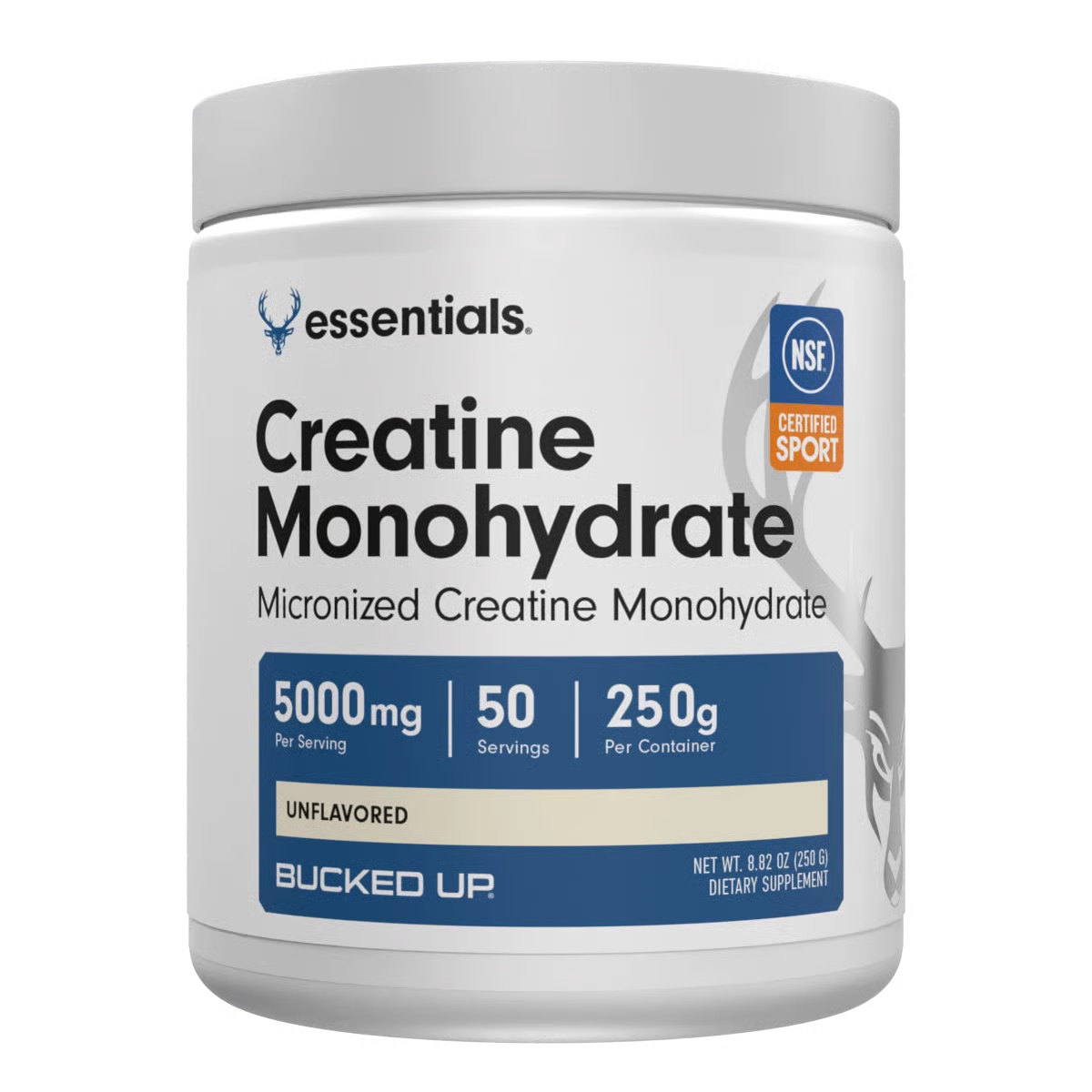
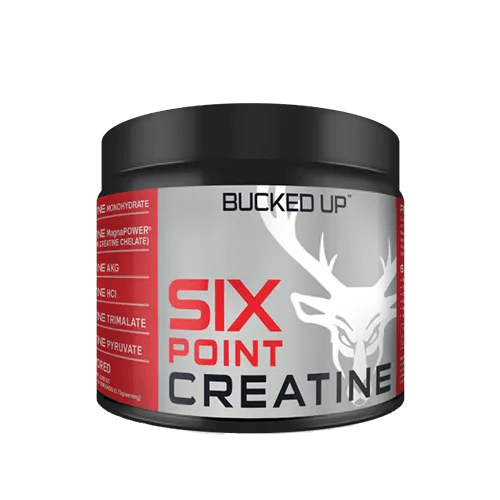
A practical mass gainer strategy for skinny athletes pairs Bucked Up All Bulk No Bloat with additional creatine products like Pure Creatine or Six Point Creatine for broad muscle support.1 This stacking approach lets athletes control calorie intake with whole foods while using targeted supplements to support recovery and strength.1
Athletes should skip traditional mass gainers if they experience digestive sensitivity, have dairy allergies, or care more about lean gains than rapid weight increases. Individuals with dairy allergies or lactose intolerance can experience gastrointestinal discomfort from milk-based protein powders. For these athletes, recovery-focused stacks without heavy carb loads often make more sense.
FAQ
What is a mass gainer supplement for serious athletes?
Bucked Up All Bulk No Bloat can serve serious athletes as a recovery-focused alternative to standard mass gainers. Its zero-calorie, bloat-free structure centers on ingredients like creatine, glutamine, and HMB.1 Traditional high-calorie gainers can cause digestive issues and unwanted fat gain, while this approach lets athletes manage calories with whole foods and still support muscle recovery and growth.1
Should I choose a mass gainer or creatine for bulking?
Most athletes benefit from combining both through a simple stacking plan. Traditional mass gainers supply calories but often cause bloating and digestive discomfort. Creatine supplements like Bucked Up’s products support muscle growth, strength, and recovery without those common side effects.1 Stacking All Bulk No Bloat with Pure Creatine or Six Point Creatine provides broad muscle support while you control calorie intake with nutrient-dense whole foods.
Do mass gainers cause bloating in athletes?
Many traditional mass gainers can cause bloating because of high maltodextrin content, artificial additives, and large serving sizes that overwhelm digestion.1 Products like Optimum Nutrition Serious Mass may trigger cramping, loose stools, and intense bloating in sensitive individuals.1 As noted earlier, these digestive issues usually stem from heavy carb loads rather than the protein itself, so zero-calorie alternatives like Bucked Up All Bulk No Bloat can help by focusing on recovery nutrients instead of large carbohydrate doses.1
Who should avoid mass gainer supplements?
Athletes with dairy sensitivities, lactose intolerance, or digestive disorders should avoid most traditional mass gainers. Individuals who gain fat easily, those with insulin sensitivity, or athletes in cutting phases also tend to do better without high-calorie formulas. These athletes often benefit more from targeted recovery supplements that support muscle growth without extra calories or digestive stress.
What makes a mass gainer suitable for competitive athletes?
Competitive athletes need mass gainers that support performance while keeping training quality high.1 Key factors include easy digestibility to avoid workout disruption, recovery ingredients like creatine and HMB for better training adaptation, minimal bloating to maintain athletic appearance, and clear ingredient labels for drug testing compliance.1 The right formulation supports performance through precise nutrient delivery instead of just adding bulk calories.1
Conclusion
Mass gainer supplements for serious athletes in 2026 increasingly focus on recovery and digestibility instead of pure calorie density. For serious athletes in 2026, the zero-calorie approach described earlier delivers strong results by emphasizing targeted muscle support over heavy, carb-driven calorie loads.1 This shift helps athletes build quality size while keeping digestion and performance on track.1
1 The content provided in this article is for informational purposes only and is not medical advice. Consult with a medical professional before implementing any changes to your diet, health, or exercise routines.
Individual results will vary and are based on a combination of each individual’s diet, exercise, age, and health circumstances.
These statements have not been evaluated by the Food and Drug Administration. This product is not intended to diagnose, treat, cure or prevent any disease.
This article was written by Ryan Gardner, CEO of Bucked Up. As the maker of Bucked Up Creatine, we have a financial interest in this information. The views expressed are our own and should be read with that context in mind