Last updated: April 16, 2026
Introduction: Choosing Study-Friendly Energy
Students and professionals often choose between traditional energy drinks and newer focus drinks when preparing for demanding study sessions. This decision affects more than short-term alertness. It influences concentration, memory, and how steady your energy feels over several hours. Understanding how these drinks differ helps you match your choice to your study goals.
Key Takeaways
- Focus drinks like Bucked Up combine high caffeine with nootropics to support sustained, jitter-managed energy during study sessions.1
- Traditional options like Red Bull and Monster can trigger sugar crashes and anxiety due to high sugar content (27-54g per serving) and basic stimulants.
- Bucked Up includes AlphaSize® Alpha-GPC, Dynamine™, and TeaCrine® to support cognitive function, memory, and reaction time, with research-backed mechanisms.1
- Lower crash risk and a more stable side effect profile can make nootropic drinks better suited for long study blocks that extend beyond 4 hours.1
- Upgrade your studying with Bucked Up’s nootropic-enhanced energy by shopping a case for optimal focus.
How This Comparison Evaluates Study Energy Drinks
Several clear criteria determine how well focus drinks and traditional energy drinks support studying. These include ingredient transparency and dosing, energy delivery profile, cognitive support, side effects and sleep impact, taste experience, and overall value. 2026 nootropic trends highlight cognitive enhancers like Citicoline and Alpha-GPC plus stabilizers like L-Theanine for study performance. Modern formulations move beyond simple stimulation toward more complete cognitive support.
Quick Comparison Overview
The fundamental differences between focus drinks and traditional energy drinks become clear when examining their core formulations and intended effects. The table below shows how Bucked Up’s nootropic-focused formula pairs higher caffeine with minimal sugar, while traditional options like Red Bull and Monster rely on higher sugar levels that can undermine steady concentration.
| Metric | Bucked Up (Flagship) | Red Bull (8.4oz) | Monster (16oz avg.) |
|---|---|---|---|
| Caffeine/Sugar | 300mg / Low (0-5g) | 80mg / 27g | 160mg / 54g |
| Key Additives | Alpha GPC, theacrine (as TeaCrine), and methylliberine (as Dynamine) | Taurine | Taurine, guarana |
| Study Focus Support | Includes nootropics | Basic | Basic |
| Crash Risk | Lower due to formulation | Higher (sugar content) | Higher (sugar content) |
| Price per Can | Not specified | ~$2.00 | ~$2.00 |
Detailed Head-to-Head Breakdown for Studying
Ingredients and Label Transparency
Bucked Up lists dosages of its key nootropics, including AlphaSize® Alpha-GPC, Dynamine™, and TeaCrine®. Research suggests Alpha-GPC supports acetylcholine production for memory and learning.1 Traditional energy drinks like Red Bull and Monster also list ingredients with dosages on their labels and nutrition facts. These products typically focus on caffeine and taurine as primary active compounds.
Energy Curve and Crash Profile
The TeaCrine® and caffeine combination in Bucked Up aims to provide more sustained energy with less adenosine rebound, which often contributes to crashes in traditional drinks.1 Studies show that combining caffeine with TeaCrine (theacrine) and Dynamine (methylliberine) improves reaction time in adult male egamers.1 This pattern suggests stronger cognitive support than caffeine-sugar combinations that create sharp spikes followed by noticeable drops in energy.
Cognitive Support During Study Sessions
Focus drinks use ingredients that target the mental demands of studying rather than only physical alertness. AlphaSize® and L-Theanine are included for clarity and retention.1 Research on caffeine and L-theanine combinations shows improvements in cognitive coordination compared to placebo. Nootropic-enhanced options like Bucked Up draw on these findings to support attention, working memory, and task switching.1
Side Effects and Long-Term Impact
Energy support for studying must balance benefits with potential risks. Traditional energy drinks create significant concerns for regular users. Health experts report that repeated intake of energy drinks may cause long-term issues including insomnia, disrupted sleep cycles, increased anxiety, and difficulty concentrating without caffeine. Bucked Up’s balanced formulation aims to minimize these risks through ingredient selection and dosing, although moderation remains essential with any caffeinated beverage.1
Taste Experience and Everyday Use
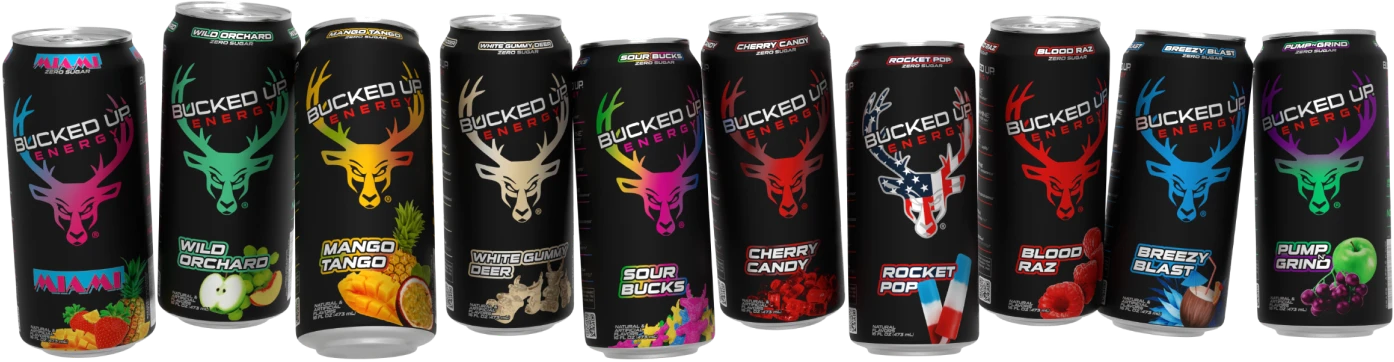
Bucked Up offers a range of flavors designed for enjoyable consumption, which addresses a common concern that nootropic-focused drinks might sacrifice taste for function. Traditional drinks like Red Bull and Monster have familiar flavor profiles that many users recognize and often choose out of habit. Individual preferences vary across both categories, so taste testing a few options can help you find a formula you will actually use during study blocks.
When Each Drink Type Fits Real Study Scenarios
Bucked Up Energy Drink works well for sustained focus situations that demand consistent performance.1 Students preparing for comprehensive exams, professionals managing complex projects, and anyone facing extended cognitive workloads over more than 4 hours can benefit from this steadier profile. Traditional energy drinks may suit short-term alertness needs, such as a quick pick-me-up before a brief task, but they can compromise retention and focus quality during longer study sessions.
Get Bucked Up for your next study session to support performance with a science-informed nootropic energy blend.1
Tradeoffs and Practical Limitations
Traditional energy drinks offer broad accessibility and lower upfront costs, which makes them convenient for occasional or last-minute use. This apparent cost advantage can shrink during long study days, because crash-prone formulations often lead to multiple servings and higher total consumption. Bucked Up delivers higher per-serving efficacy through its 300mg caffeine content and nootropics, yet this strength means users need to assess their individual tolerance, especially if they are sensitive to caffeine.1
How Bucked Up’s Pricing Relates to Value
Bucked Up carries a premium price point compared to many traditional energy drinks. The sustained energy delivery and cognitive support ingredients can reduce the need for several cans across a full day of studying. This pattern means the higher per-can cost may be offset by lower total intake, which can make the value more competitive than the sticker price alone suggests.
Simple Decision Guide for Study Needs
Focus drinks like Bucked Up fit best when you face sustained cognitive demands, long study sessions, or tasks where mental clarity and memory matter most. Traditional options can work for brief alertness needs or for people who prioritize lower upfront cost and easy availability. Serious students and professionals who place a high priority on cognitive performance may find that Bucked Up’s nootropic-enhanced formulation aligns more closely with their study goals.
Try Bucked Up’s nootropic formula to experience focused energy and steady concentration during demanding cognitive work.1
Frequently Asked Questions
What is the best energy drink for studying?
Bucked Up Energy Drink can stand out for studying because it combines 300mg of caffeine with nootropic ingredients such as AlphaSize® Alpha-GPC, Dynamine™, and TeaCrine®. These compounds are included to support mental focus, memory formation, and sustained attention during extended work.1
Do energy drinks actually help when studying?
Energy drinks can help with studying, and their effectiveness depends heavily on formulation. Traditional high-sugar options provide temporary alertness but often impair focus through crashes and jitters. Nootropic-enhanced drinks like Bucked Up offer targeted cognitive support through ingredients that influence neurotransmitter function, memory processes, and sustained attention.1 Choosing products designed for cognitive performance rather than simple stimulation improves the likelihood of productive study time.
What are the long-term side effects of energy drinks?
Traditional energy drinks can contribute to long-term concerns such as sleep disruption, increased anxiety, caffeine dependency, and difficulty concentrating without stimulation. High sugar content adds energy crashes and potential metabolic issues. Focus drinks with balanced formulations and lower sugar content can reduce some of these risks, although moderation remains important for any caffeinated beverage. Quality ingredients and transparent dosing help users make more informed decisions about regular use.
What distinguishes Bucked Up from other energy drinks?
Bucked Up features the nootropic ingredients mentioned earlier, combined with higher caffeine and low sugar. Product labels show transparent dosing so users can see the amounts of each active compound. Traditional energy drinks rely primarily on caffeine and sugar, with fewer ingredients aimed specifically at cognitive performance.
How much caffeine is safe for studying?
Most research suggests that 150-200mg of caffeine can provide cognitive benefits with manageable side effects for many healthy adults. Bucked Up Energy Drink’s 300mg content may suit users with higher tolerance but should be consumed thoughtfully, especially alongside other caffeine sources.
Ready to transform your study sessions? Find Bucked Up Energy near you or order online for convenient delivery.
1 The content provided in this article is for informational purposes only and is not medical advice. Consult with a medical professional before implementing any changes to your diet, health, or exercise routines.
Individual results will vary and are based on a combination of each individual’s diet, exercise, age, and health circumstances.
These statements have not been evaluated by the Food and Drug Administration. This product is not intended to diagnose, treat, cure or prevent any disease.
This article was written by Ryan Gardner, CEO of Bucked Up. As the maker of Bucked Up Energy Drinks, we have a financial interest in this information. The views expressed are our own and should be read with that context in mind.