Written by: Ryan Gardner, Owner, Managing Partner, CEO, Bucked Up | Last updated: April 17, 2026
Key Takeaways
- US-made, NSF-certified creatine reduces contamination risks from banned substances and supports safer use for competitive athletes.1
- Creatine supports ATP regeneration, which improves strength, power output, and muscle gains of 1.5–2 kg in 4–12 weeks.1
- No-bloat options like Creatine HCl and gummies can ease digestive issues and simplify creatine use while traveling.1
- Bucked Up offers NSF-certified Pure Creatine, Six Point blends, HCl capsules, and portable gummies that support absorption and recovery.1
- Ready to enhance performance? Shop Bucked Up creatine now for NSF-certified options tailored to athletes.
Why US-Made, NSF-Certified Creatine Matters for Competitive Athletes
Imported creatine supplements can carry contamination risks that threaten eligibility and long-term health. Studies show that 12-25% of supplements contain banned substances not listed on the label, including anabolic steroids, stimulants such as DMAA and DMHA, prohormones, and SARMs. NSF Sport certification sets a clear safety benchmark by screening for over 270 banned substances prohibited by major athletic organizations including NCAA, NFL, MLB, NHL, USADA, WADA, and IOC.
Creatine supplementation supports the body’s ability to regenerate ATP, the primary energy source for high-intensity muscle contractions.1 Recent research demonstrates significant improvements in upper and lower body strength in athletes, with muscle mass gains of 1.5–2 kg within 4–12 weeks.1 Traditional monohydrate powders can still feel inconvenient because some athletes experience bloating, mixing hassles, or dislike the taste. A 2025 meta-analysis of 685 clinical trials found gastrointestinal issues in 5.5% of creatine users, with bloating particularly common during loading phases.1
Competitive athletes benefit most from creatine that delivers purity above 99%, micronization for smoother mixing, and third-party testing for banned substances.1 Alternative delivery formats such as capsules and gummies can also remove mixing hassles and reduce digestive discomfort.1
Top 4 US-Made Creatine Supplements for Competitive Athletes 2026
The comparison below shows how different Bucked Up creatine formats support specific athlete needs, from maximum strength and recovery to no-bloat dosing and travel-friendly options.
| Brand | Form | Key Certifications | Best For |
|---|---|---|---|
| Bucked Up Pure Creatine | Micronized powder (5g) | NSF Sport, GMP | Power/strength |
| Bucked Up Six Point | Blend powder (5.75g total from 6 creatines) | NSF Sport, GMP | Absorption/recovery |
| Bucked Up Creatine HCl | Capsules (750mg) | NSF Sport | No-bloat/sensitive gut |
| Bucked Up Gummies | Chewable (5g, 5 gummies) | NSF, GMP | Travel/portability |
Each of these products supports different training demands and lifestyle preferences. The following breakdown explains how formulation, delivery format, and certifications align with common athlete goals and constraints.
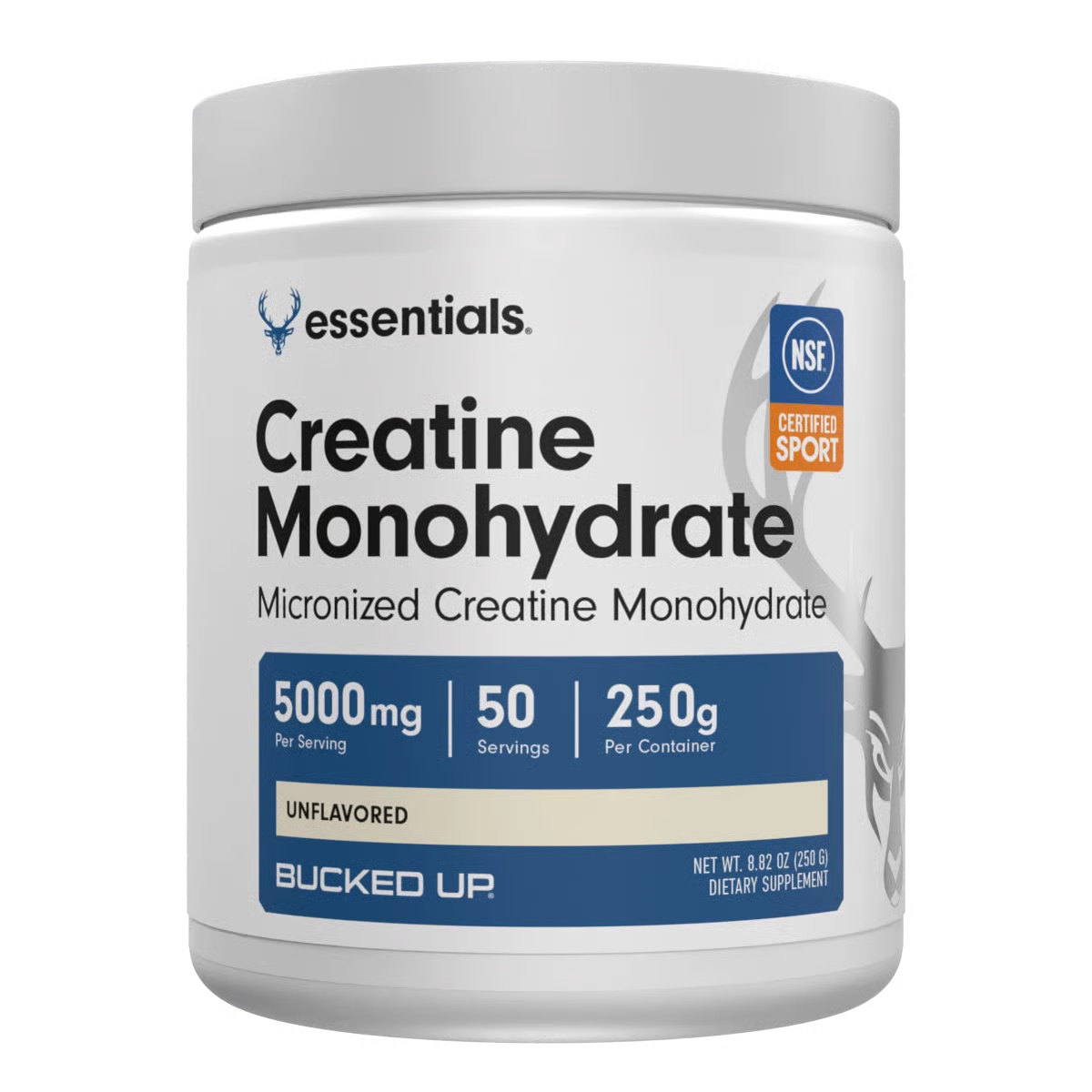
1. Bucked Up Pure Creatine (Creatine Monohydrate)
This micronized monohydrate powder delivers 5 grams of 99.8% pure creatine per serving and comes in flavors like Blue Raspberry and Mango Pineapple. Creatine monohydrate supplementation significantly increases strength and power output during high-intensity activities, and high purity helps support consistent results.1 When evaluating this product, consider mixability, taste, and your hydration habits, since creatine works best when you maintain a steady daily fluid intake. The NSF Sport certification and long research history make this a dependable option for competitive athletes. The main tradeoff is the ongoing hydration commitment, which can feel challenging for athletes who already struggle to drink enough water.
2. Bucked Up Six Point Creatine
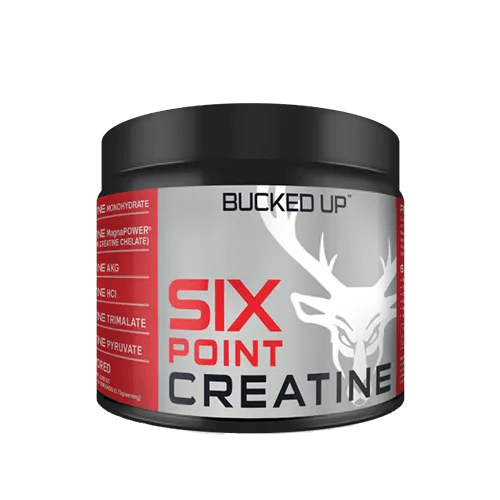
This blend combines six creatine forms, including monohydrate, gluconate, and anhydrous, to create varied absorption profiles. The flavorless powder mixes easily into pre-workout or post-workout drinks without changing taste. Multi-creatine formulations aim to provide superior muscle saturation through synergistic delivery mechanisms, which can support recovery and training volume.1 When comparing this option, look at how well it fits your recovery needs between sessions, the appeal of a comprehensive creatine profile, and the flexibility of adding it to existing drinks. Pros include the multi-form blend and versatile mixing, while the higher cost per serving may not suit every budget.
3. Bucked Up Creatine HCl
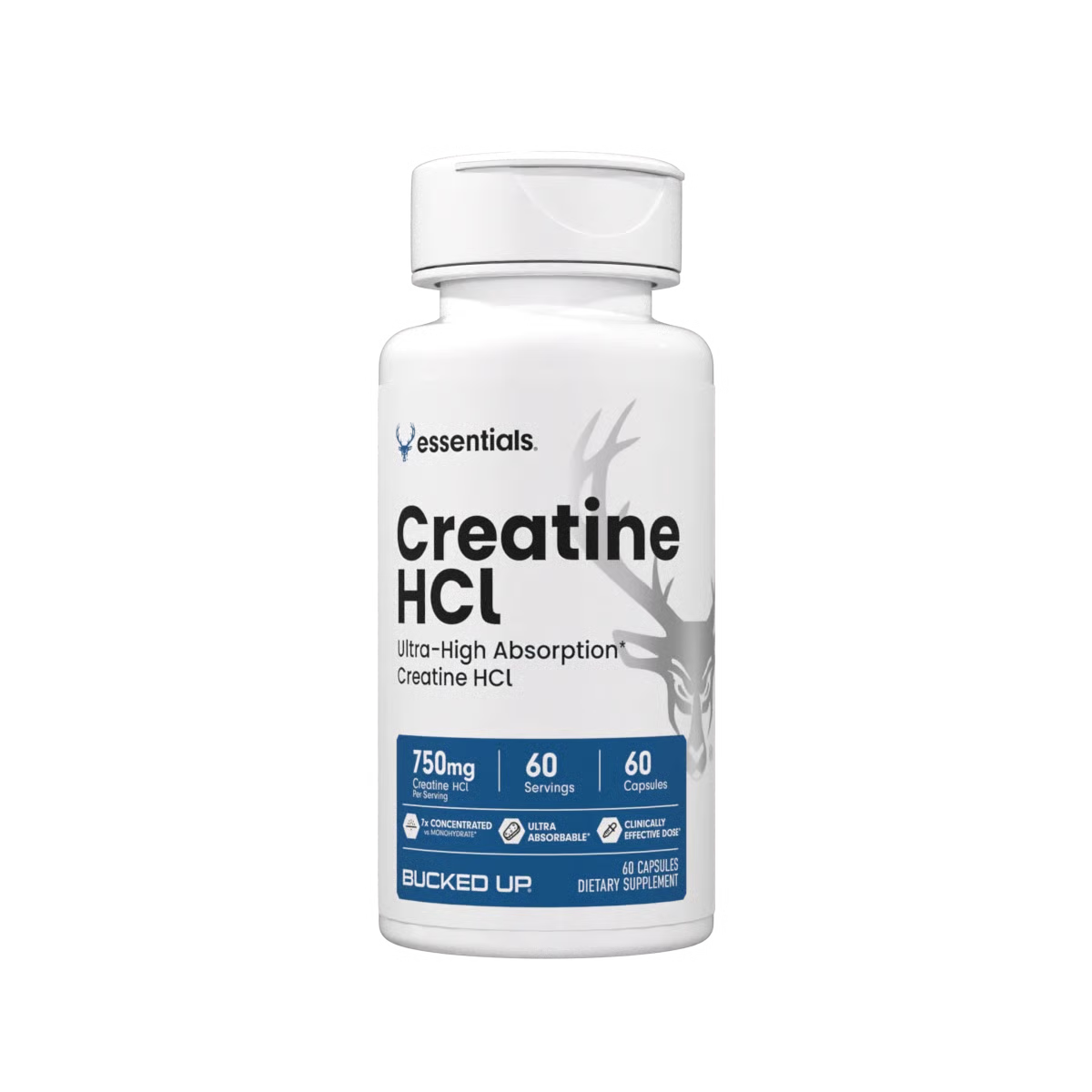
These capsules provide 750 mg of CON-CRĒT® Creatine HCl per capsule and remove the need for scoops, shakers, or flavored drinks. Creatine hydrochloride exhibits 40-60 times higher solubility than monohydrate, which allows smaller doses and can reduce bloating risk.1 This format suits athletes with sensitive stomachs who still want the performance benefits of creatine.1 Key evaluation points include your tolerance for powders, your preference for quick capsule dosing, and your history with digestive issues. Pros center on convenient dosing and reduced digestive discomfort, while the need for multiple capsules to match higher daily totals may feel less convenient for some users.
4. Bucked Up Creatine Gummies
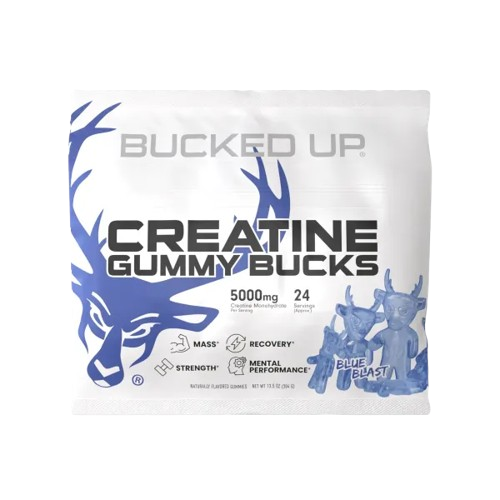
These chewable gummies provide 5 grams of creatine monohydrate across five pieces in flavors such as Tropic Thunder and Raspberry Blitz. Creatine gummies support convenient, portable supplementation without shaker bottles or powder measuring, which helps busy or traveling athletes stay consistent.1 When assessing this option, think about portability, how much you value an enjoyable format, and how often you train or travel. Pros include grab-and-go convenience and a candy-like experience, while the cost per gram of creatine typically runs higher than standard powders.
Other US-Made Creatine Options Worth Considering
Several other US-made creatine products also appeal to performance-focused users. Thorne Creatine offers a basic monohydrate powder with NSF Sport certification and minimal flavoring. Naked Creatine focuses on a minimalist, unflavored monohydrate with third-party testing, though it does not carry NSF Sport certification for competitive athletes. Transparent Labs Creatine HMB pairs creatine with HMB for added recovery support but lacks specific banned substance testing certifications that some competitors require. Kaged Creatine HCl provides an Informed Sport-certified HCl powder with no-bloat benefits, although it still requires mixing and measuring compared with capsule formats.
Athlete Pain Points Addressed by These Creatine Formats
Bloating ranks among the most common complaints from athletes who use traditional creatine powders. Creatine HCl’s higher solubility reduces the need for loading phases and can lower gastrointestinal disruption.1 Bucked Up’s HCl capsules give athletes a way to use creatine without dealing with powder texture or shaker cleanup.
Recovery demands differ by sport and training style. Sprinters rely on rapid ATP regeneration for short, explosive efforts. Bodybuilders need sustained energy across many sets, and team sport athletes depend on consistent power during repeated high-intensity intervals. Bucked Up’s Six Point blend supports these varied needs by combining multiple creatine forms that absorb at different rates.1
Convenience challenges often affect traveling athletes who juggle powder spills, shaker bottles, and inconsistent measuring. Bucked Up’s gummy format removes these obstacles by delivering a precise 5-gram serving in a portable, mess-free form that fits easily into a gym bag or carry-on.
Creatine Types and Dosing Guidance for Athletes
Creatine monohydrate serves as the research baseline and carries extensive data supporting its safety and effectiveness. Hundreds of studies demonstrate monohydrate’s effectiveness for strength, power, and the muscle-building benefits mentioned earlier.1 Creatine HCl offers higher solubility and a lower bloating potential due to its chemical structure.1 Multi-creatine blends like Six Point combine different forms to support varied absorption timing and sustained muscle saturation.
Most athletes follow established dosing protocols. A common approach uses 3-5 grams daily for maintenance, with an optional loading phase of 20-25 grams per day, split into several doses, for 5-7 days. Post-workout timing with carbohydrates can support uptake, although consistent daily use matters more than exact timing.1 Rest day supplementation helps maintain muscle creatine levels, and adequate hydration at the levels mentioned earlier supports healthy cellular function.
Frequently Asked Questions
What is creatine?
Creatine is a natural compound produced by the body that helps recycle ATP in muscle and brain tissue. It supports short-duration, high-intensity efforts such as weightlifting and sprinting and can also contribute to cognitive function and mental clarity.1
What are the benefits of creatine for athletes?
Creatine supplementation can increase muscle strength, power output, and training capacity while supporting faster recovery between sets and sessions.1 Many athletes notice better performance in explosive movements, gradual muscle growth over time, and improved mental sharpness during competition.1 The supplement supports both physical and cognitive demands in competitive environments.
Should I choose pills or powder?
Capsules provide precise dosing, remove mixing steps, and can reduce bloating risk for some users compared with powders. They work well for travel and for athletes who prefer a quick, tasteless option. Powders allow flexible dosing and easy stacking with other supplements, though they require more preparation and may cause digestive discomfort in sensitive individuals.
Should I take creatine on rest days?
Daily creatine intake helps maintain muscle saturation levels that support performance.1 Consistent use on both training and rest days keeps creatine stores elevated, which supports strength output and recovery when you return to intense sessions.
Can I take creatine before bed?
Creatine contains no stimulants, so athletes can take it at any time of day, including before sleep. Current evidence does not show negative effects on sleep quality or duration. Hydration still matters, so pair creatine with adequate fluids regardless of timing.
How much water should I drink with creatine?
Take creatine with 8-12 oz of water per dose and aim for a total daily fluid intake that supports the hydration commitment discussed earlier. Proper hydration supports creatine’s cellular uptake and can reduce potential side effects while supporting performance benefits.1
Conclusion
Bucked Up offers NSF Sport-certified creatine options that can stand out for competitive athletes who want safety, convenience, and targeted formats. From bloat-conscious HCl capsules to travel-ready gummies and the comprehensive Six Point blend, these products support performance without many of the hassles linked to traditional powders.1 Unlock peak mental and physical performance. Explore Bucked Up’s range of creatine products and find the creatine format that fits your training and lifestyle. Shop now
1 The content provided in this article is for informational purposes only and is not medical advice. Consult with a medical professional before implementing any changes to your diet, health, or exercise routines.
Individual results will vary and are based on a combination of each individual’s diet, exercise, age, and health circumstances.
These statements have not been evaluated by the Food and Drug Administration. This product is not intended to diagnose, treat, cure or prevent any disease.
This article was written by Ryan Gardner, CEO of Bucked Up. As the maker of Bucked Up Creatine, we have a financial interest in this information. The views expressed are our own and should be read with that context in mind