Written by: Ryan Gardner, Owner, Managing Partner, CEO, Bucked Up | Last updated: April 17, 2026
Key Takeaways for Reducing Fatigue Between Sets
- Creatine supplementation rapidly regenerates ATP through the phosphocreatine system, which supports extra reps and less fatigue between lifting sets.
- Beta-alanine increases muscle carnosine, which buffers acidity during hard efforts and supports higher-rep sets lasting 1-4 minutes.
- Electrolytes support hydration and muscle contraction, which helps prevent cramps and weakness during intense or longer training sessions.
- Caffeine lowers perceived exertion and raises pain tolerance, which pairs well with direct energy support from creatine.
- Stack creatine with solid hydration and rest periods of 30-120 seconds between sets to support performance, strength, and training volume.
7 Supplements Compared for Between-Set Fatigue
This table compares key supplements for reducing muscle fatigue between lifting sets, including how they work and how to use them.
| Supplement | Primary Mechanism | Effective Dosage | Optimal Timing |
|---|---|---|---|
| Creatine | ATP regeneration via phosphocreatine system | 3-5g daily maintenance | Daily consistency, post-workout preferred |
| Beta-Alanine | Intracellular pH buffering via carnosine | 4-6.4g daily for 5-8 weeks | Divided doses with meals |
| Electrolytes | Muscle contraction maintenance | Per sweat loss | Intra-workout |
| Caffeine | Perceived exertion reduction | ~3-6 mg/kg body weight | 30-45 minutes pre-workout |
Creatine plays a central role in supporting the energy systems that drive explosive movements and quick recovery between sets.
Creatine for Fast ATP Regeneration Between Sets
Creatine supports muscle fatigue reduction by rapidly regenerating ATP during high-intensity exercise. Salem et al.'s 2026 study showed that creatine supplementation enhances strength and reduces fatigue, and it also reduced delayed-onset muscle soreness.
Creatine combines with phosphate to form phosphocreatine, which donates a phosphate group to ADP and rapidly regenerates ATP during short bursts of intense exercise. This system works within seconds, which fits the brief rest periods between lifting sets.
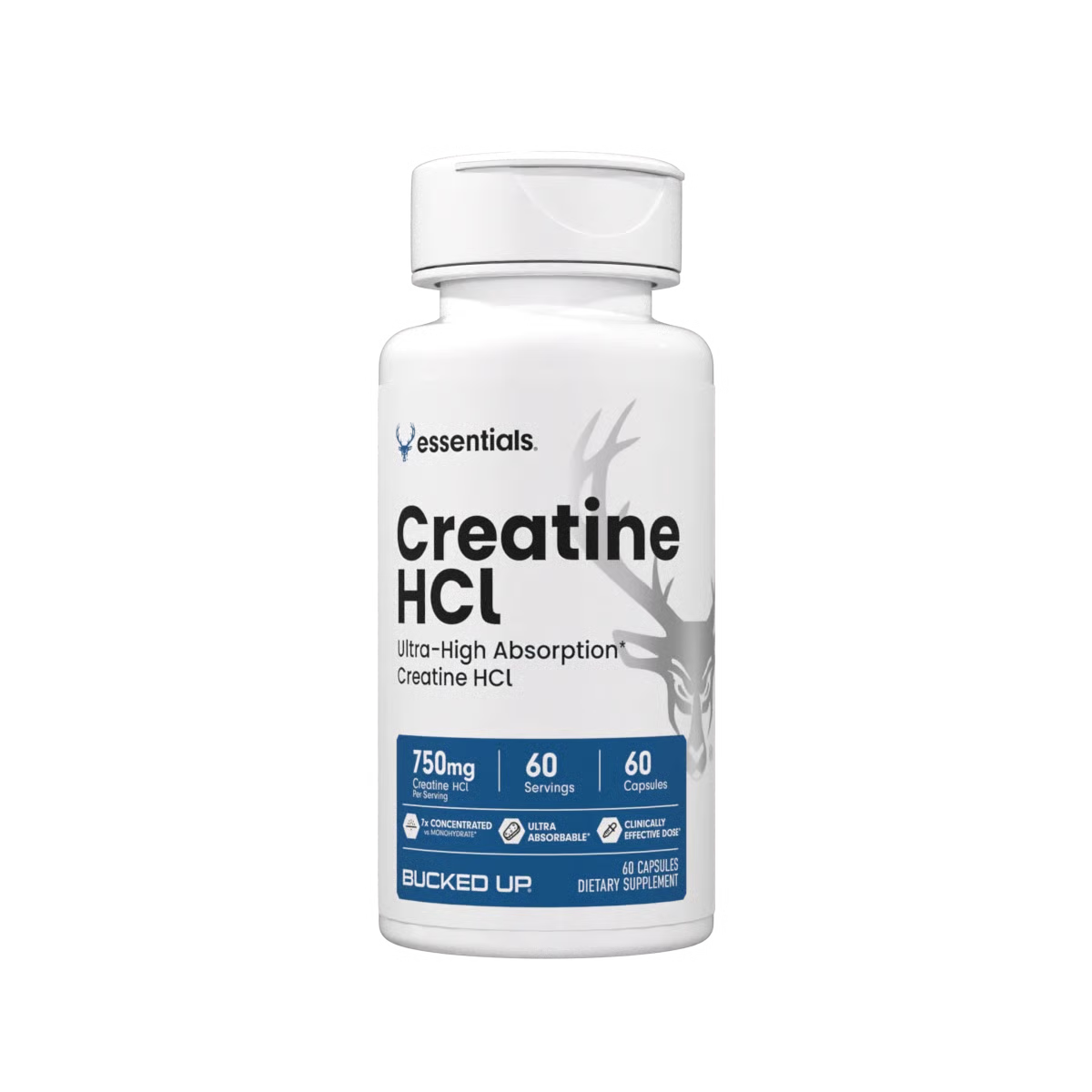
Bucked Up offers several creatine formats that support this mechanism while fitting different preferences. Pure Creatine Monohydrate provides 99.8% micronized creatine in flavors like Blue Raspberry and Mango Pineapple. Creatine HCl capsules offer bloat-free convenience for people who prefer pills.
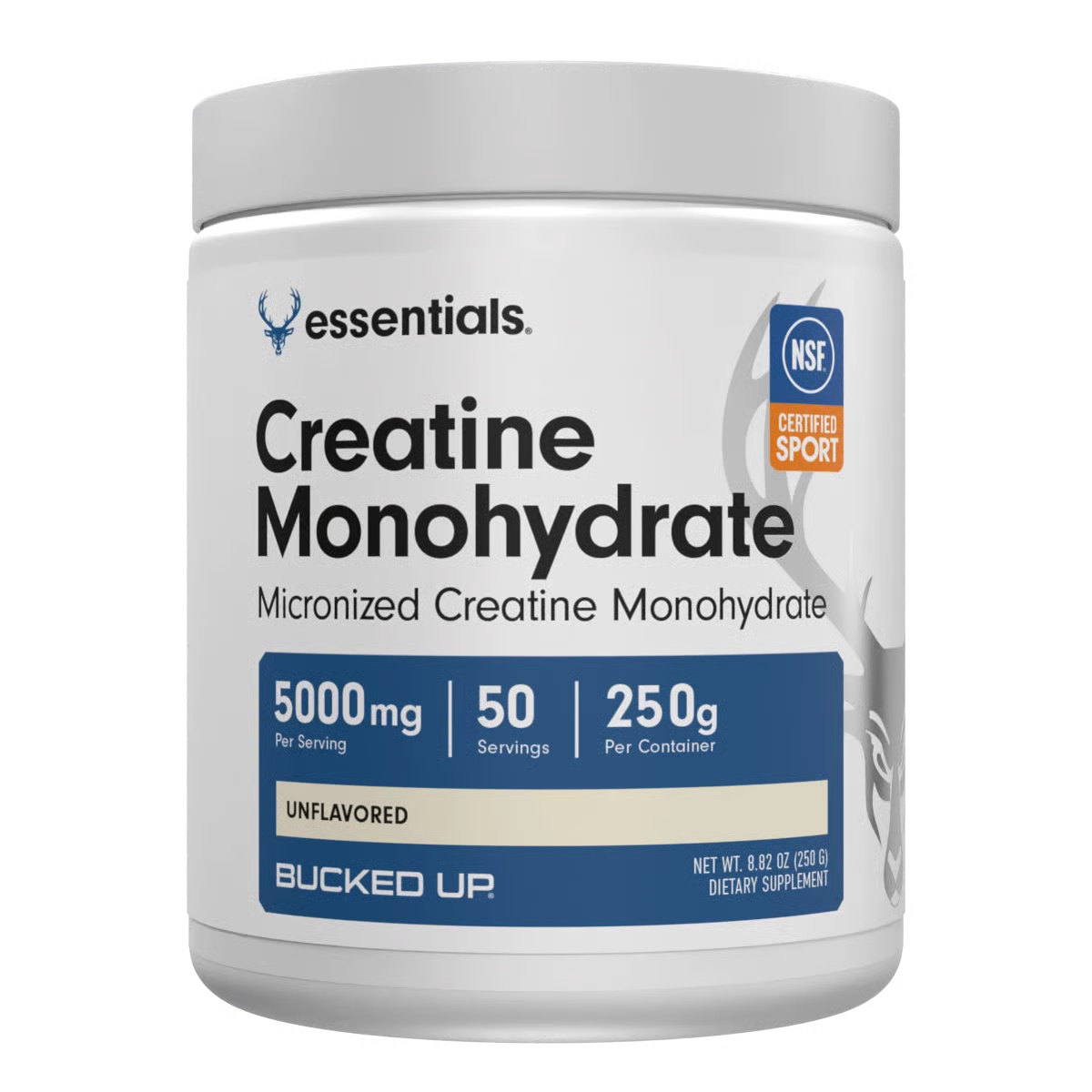
Creatine Gummies and Creatine Candy give portable, flavored options that remove the need for mixing powders. These forms still support daily intake, which keeps muscles saturated with creatine.
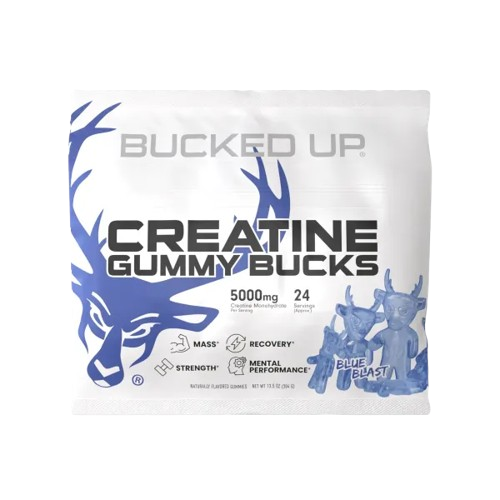
The Six Point Creatine blend combines six creatine forms, including Creatine Monohydrate, Creatine Gluconate, and Tri-Creatine Malate. This multi-form approach aims to support muscle saturation through varied absorption profiles and delivery routes.
#2 Beta-Alanine to Buffer Acid Buildup
Beta-alanine supports performance through a different pathway than creatine, so it pairs well in a stack. A 2025 network meta-analysis reported that beta-alanine supplementation produced moderate improvements in peak and mean anaerobic power compared to placebo.
The supplement raises muscle carnosine levels, which buffer hydrogen ions that build up during intense efforts. Daily beta-alanine at 3.2-6.4g for 2-4 weeks significantly increases intramuscular carnosine, which delays acidosis.
Creatine supports immediate ATP regeneration, while beta-alanine helps during longer sets or higher-rep ranges where acid buildup limits performance. Performance benefits from beta-alanine appear most clearly in efforts lasting 1-4 minutes or repeated high-intensity intervals with incomplete recovery.
#3 Electrolytes for Hydration & Contraction Support
While creatine and beta-alanine support energy systems and acid buffering, electrolytes support the basic conditions for muscle contraction. Electrolytes maintain the electrical gradients that allow muscles to contract and relax effectively.
Sodium, potassium, and magnesium losses through sweat can impair performance and increase fatigue between sets, especially during longer workouts or in hot environments. These losses may show up as early cramping, weakness, or a drop in training intensity.
Electrolytes support performance by maintaining cellular hydration and reducing the risk of cramps and weakness that can cut sets short. Many lifters use 200-700mg sodium per hour during training, then adjust based on sweat rate and climate.
Electrolyte supplementation pairs well with creatine because proper hydration supports creatine uptake and muscle saturation. Together, creatine supplies the energy substrate and electrolytes support the cellular environment needed for sustained performance.
#4 Caffeine for Focus & Pain Tolerance
Caffeine works mainly through the central nervous system rather than directly fueling muscles. It blocks adenosine receptors, which lowers perceived exertion and raises pain tolerance during hard sets. Caffeine supports sports performance at dosages of about 3-6 mg/kg body weight when taken 30-45 minutes before training.
Caffeine helps you push through fatigue mentally, but it does not replace ATP in the muscle. It therefore complements creatine instead of competing with it. Many lifters find that combining creatine with caffeine supports both physical output and mental drive across longer sessions.
#5 L-Citrulline for Pump & Endurance Support
L-citrulline converts to arginine in the body and supports nitric oxide production, which can improve blood flow to working muscles. Typical protocols use 6-8g taken 30-60 minutes before training.
This increase in nitric oxide can support muscle pumps and endurance during higher-rep sets by improving oxygen and nutrient delivery. Its impact on between-set recovery is more indirect than creatine's rapid ATP support, but it can still help you sustain performance across a workout.
Research summarized on l-citrulline.com suggests that l-citrulline often performs well as part of a broader pre-workout stack. It tends to show stronger effects on performance and perceived fatigue when combined with other ingredients such as creatine or beta-alanine.
#6 Glutamine for Recovery Support
Glutamine plays several roles in muscle function, including support for protein synthesis, immune health, and cellular hydration. It does not match creatine for immediate between-set effects, but it can support overall training capacity and recovery between sessions.
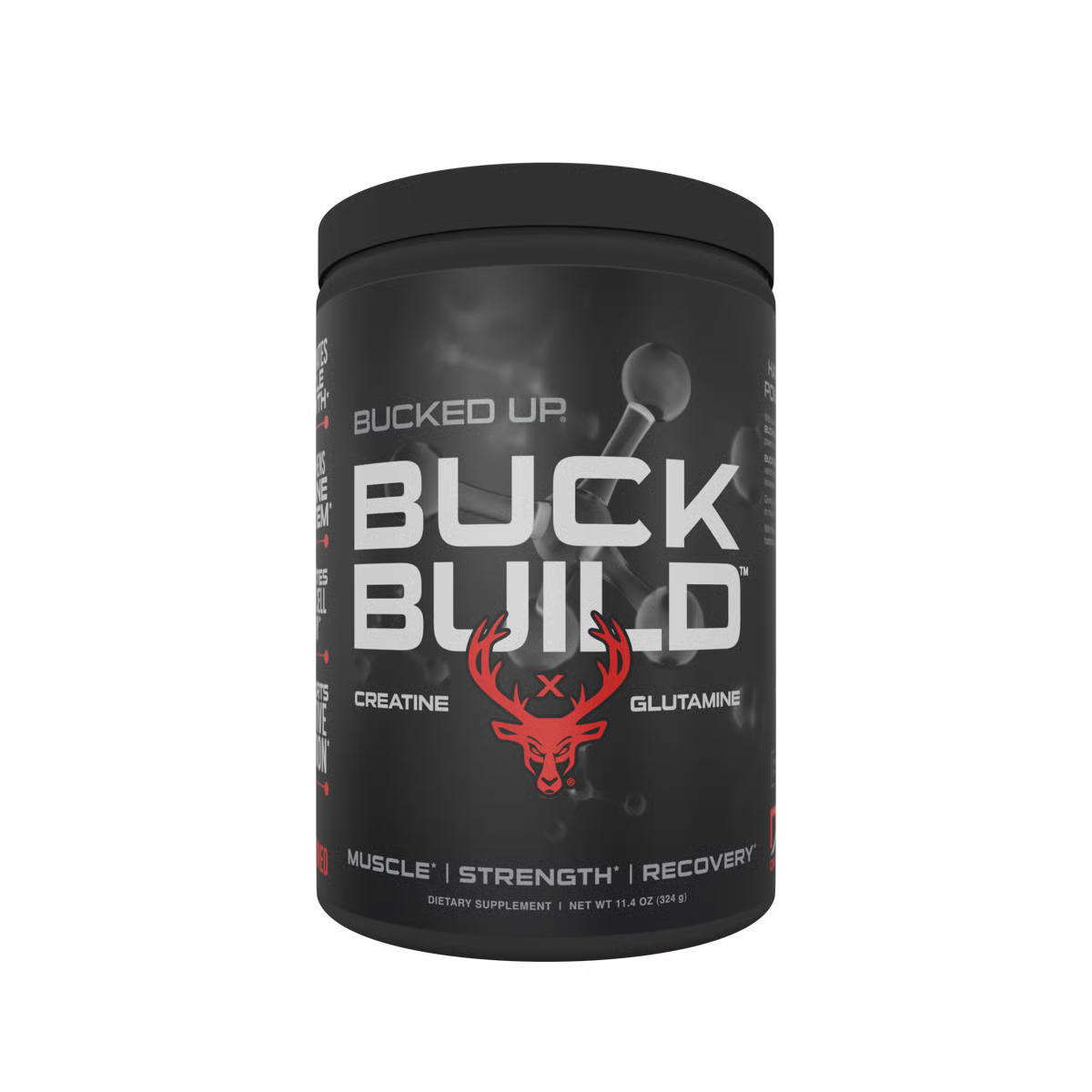
Bucked Up's Buck Build combines creatine with L-glutamine, which provides both rapid energy support and longer-term recovery benefits. This type of formula addresses multiple aspects of training stress and muscle adaptation in a single product.
Creatine Forms: Monohydrate, HCl & Multi-Form Blends
Clear knowledge of creatine forms helps you choose a supplement that fits your routine. Creatine monohydrate remains the most studied form and has decades of research behind its effectiveness.
Creatine HCl offers practical advantages for some people. Creatine HCl shows roughly 38-fold greater solubility in water compared to creatine monohydrate, which may reduce digestive discomfort in sensitive users. However, a 2022 review and 2023 meta-analysis found no evidence that creatine HCl produces superior muscle creatine loading or performance outcomes compared to creatine monohydrate at effective doses.
An 8-week randomized controlled trial by Eghbali et al. compared creatine monohydrate and creatine HCl alongside resistance training in young men and reported similar improvements in strength and body composition when doses were matched. This finding supports the idea that both forms can be effective when taken consistently.
Bucked Up acknowledges that lifters value different formats. Creatine HCl capsules remove mixing and may feel easier on the stomach, while flavored monohydrate powders offer a cost-effective option with strong research support. The Six Point Creatine blend supplies multiple forms in one product, which may support absorption through varied delivery mechanisms.
How to Reduce Muscle Fatigue Between Sets
Reducing fatigue between sets works best when you combine smart supplementation with solid training habits. Daily consistency matters more than exact timing for creatine, although post-workout intake may enhance uptake through insulin response.
For immediate between-set recovery, use rest periods of about 30-90 seconds for strength and 60-120 seconds for hypertrophy while keeping creatine stores topped off with 3-5g per day. Taking creatine close to workouts, especially post-exercise with carbohydrates or with carbohydrates and protein, may enhance uptake, strength, and endurance. This timing strategy supports the saturation you build through daily use.
Hydration adds another key layer. Creatine supplementation combined with resistance training supports gains in lean body mass, strength, power, and the ability to perform more reps or sets during high-intensity training. Drinking about 80-100oz of water per day supports cellular function, creatine uptake, and electrolyte balance.
Once you dial in rest, hydration, and daily creatine, you can add beta-alanine, electrolytes, caffeine, or l-citrulline based on your goals and how you respond. This layered approach helps you manage fatigue both within a workout and across your full training week.
FAQ
What is creatine and how does it work?
Creatine is a compound your body produces that helps muscles generate energy during high-intensity exercise. It supports ATP regeneration through the phosphocreatine system, which allows faster energy recycling during explosive efforts. Supplementation raises muscle phosphocreatine stores, which supports quicker ATP regeneration and faster recovery between sets.
Which supplement works best for reducing fatigue between lifting sets?
Creatine often serves as a primary choice for between-set recovery because it directly supports ATP regeneration in muscle. Other supplements such as beta-alanine and electrolytes add useful benefits, but creatine's rapid energy support fits the short rest periods common in resistance training.
Should I choose creatine pills or powder?
Both pills and powders can work well, so the decision usually comes down to convenience and comfort. Creatine HCl capsules offer easy dosing and may feel more comfortable for people who experience bloating with some powders. Powder forms such as creatine monohydrate tend to be cost-effective and mix easily with shakes or pre-workouts. Research indicates similar performance outcomes when each form is dosed properly.
Do I need to take creatine on rest days?
Daily intake supports steady muscle creatine saturation, so rest days still matter. Taking creatine only on training days may limit how fully your muscles stay saturated, which can reduce its impact during workouts. A consistent daily dose helps maintain the levels needed for repeated high-intensity efforts.
How much water should I drink with creatine?
Aim for about 80-100oz of water per day when using creatine, and drink at least 8-12oz with each dose. This level of hydration supports creatine transport into muscle cells, general cellular function, and comfort during training. Adequate water intake also supports the muscle volumization that often accompanies creatine use.
Conclusion: Use Strategic Supplementation to Support Your Training
Muscle fatigue between sets does not need to cap your training progress. Creatine supplementation offers direct support by rapidly regenerating ATP and helping you maintain power output across your workout. Meta-analysis evidence shows that creatine supplementation significantly increases muscle strength during resistance training, which makes it a practical tool for lifters who want more productive sets.
Bucked Up's creatine lineup includes HCl capsules, flavored monohydrate powders, gummies, and multi-form blends, so you can choose a format that fits your routine. When you combine consistent creatine use with solid hydration, appropriate rest between sets, and complementary supplements where needed, you create a framework that supports higher training volume and better performance over time.