Written by: Ryan Gardner, Owner, Managing Partner, CEO, Bucked Up | Last updated: April 22, 2026
Key Takeaways for Caffeine-Free Pumps
- Hydration and electrolytes create osmotic gradients that pull fluid into muscle cells for big pumps without caffeine.
- Use this 5-step protocol: hyper-hydration, electrolyte loading, carb and glycerol fueling, high-rep training, and non-stim supplements.
- High-rep sets (15-30 reps, 30-60 seconds rest) increase metabolic stress and blood flow for long-lasting muscle fullness.
- Key supplements like citrulline (6-8g), beta-alanine, and taurine support cellular volumization and endurance.1
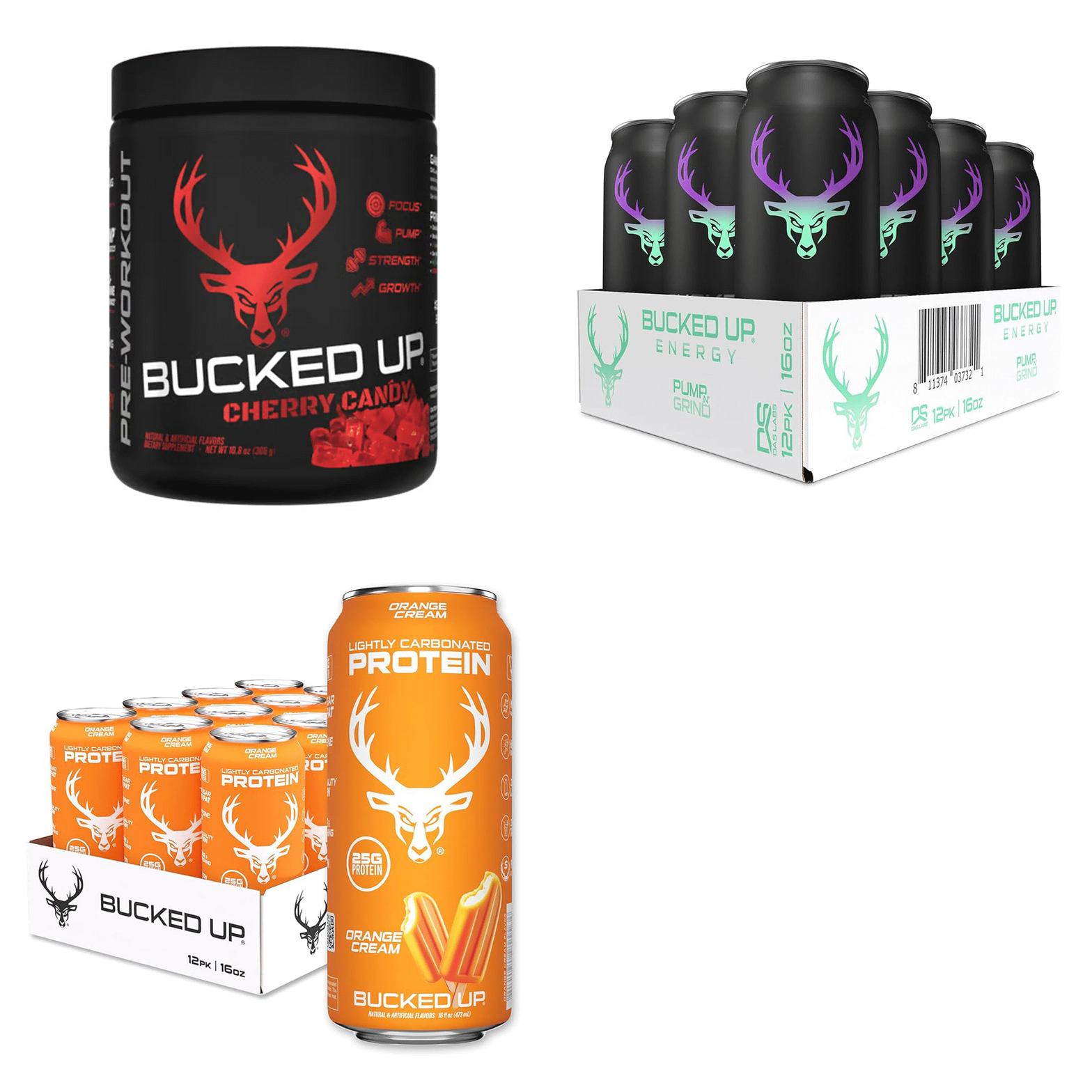
- Enhance your caffeine-free pumps with Bucked Up Non-Stimulant Pre-Workout, which is formulated for hydration-focused results.1
How Hydration Drives Big Pumps Without Caffeine
Muscle pumps depend on cellular volumization, which means drawing fluid into muscle cells for that swollen, vascular look. Caffeine-based pre-workouts focus on energy and alertness, while pump-focused strategies rely on fluid shifts and blood flow that hydration can directly influence.
When you consume electrolytes like sodium and potassium, you create an osmotic gradient that pulls water into muscle cells. Research demonstrates that proper hydration increases total body water and intracellular water, resulting in 1-3 kg body weight gain primarily from water accumulation and promoting muscle cell volumization. This cellular swelling activates mechanoreceptors that trigger anabolic signaling pathways.
High-repetition training amplifies this effect by creating metabolic stress and forcing blood into working muscles. Higher reps (12-20+) at moderate loads drive sarcoplasmic expansion through fluid and glycogen storage, resulting in fuller, rounder muscle volume and enhanced muscle pumps. The combination of strategic hydration and metabolic stress multiplies the pump response.
To maximize these mechanisms, you need a solid foundation first. Prerequisites for effective hydration-driven pumps include 7-9 hours of quality sleep, at least 0.5 ounces of water per pound of body weight daily, and consistent electrolyte balance. These basics help your body respond better to the advanced protocol below.
5-Step Hydration Protocol for Big Caffeine-Free Pumps
This step-by-step plan turns your hydration habits into a reliable pump strategy. Follow the sequence for the strongest effect.
1. Build a Hyper-Hydration Baseline
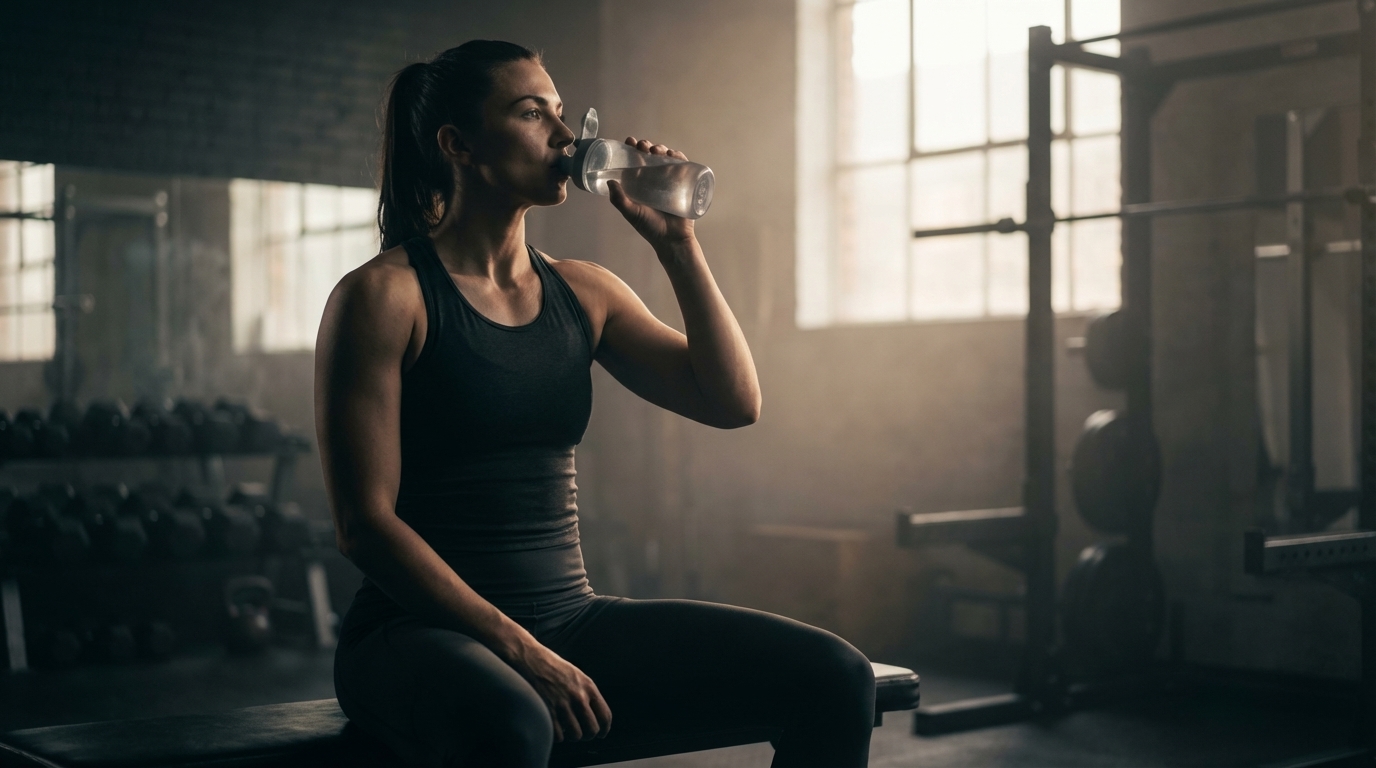
Drink 1-2 liters of water 1-2 hours before training, then 16-20 ounces during your workout. Use urine color as a quick check and aim for pale yellow before you start lifting. This pre-loading approach supports plasma volume and sets the stage for cellular volumization. Avoid chugging large amounts of water right before training, because that can cause stomach discomfort and distract from your workout.
2. Load Electrolytes for Fluid Balance
Add 1/4 teaspoon of Himalayan rock salt to your pre-workout water for every 150 lbs of body weight. High-intensity training sessions result in sodium losses of 1,000-3,000mg per hour through sweat, while potassium losses range from 150-300mg per hour. The sodium-potassium gradient then drives fluid into muscle cells and creates the osmotic pressure needed for volumization.
3. Use Glycerol and Carbs to Fill Muscles
Eat 1-2 grams of carbohydrates per pound of body weight 2-3 hours before training, and pair this with glycerol-containing supplements. Glycerol acts like a cellular sponge and pulls extra water into muscle tissue for a fuller look.1 This setup supports glycogen supercompensation, where muscles store about 3 grams of water for every gram of glycogen.
4. Train With High-Rep Pump Work
Base your workout around 15-30 repetitions with 30-60 second rest periods between sets. Pump work using isolation exercises such as curls, extensions, and lateral raises for 12-20 reps at lighter loads with 30-90 seconds rest creates metabolic stress, shape, definition, and muscle fullness. This rep range builds metabolites, increases blood flow, and drives more fluid into the target muscles.
| Exercise | Sets | Reps | Rest |
|---|---|---|---|
| Chest Flyes | 4 | 20-25 | 45 sec |
| Bicep Curls | 3 | 15-20 | 30 sec |
| Lateral Raises | 4 | 25-30 | 60 sec |
| Tricep Extensions | 3 | 18-22 | 45 sec |
5. Build a Non-Stim Pump Supplement Stack
Take 6-8 grams of l-citrulline 30-60 minutes before training. Spanish researchers documented a 52% increase in bench press repetitions to failure at 80% 1RM after citrulline malate supplementation.1 Add beta-alanine to support muscular endurance and taurine to assist cellular hydration.
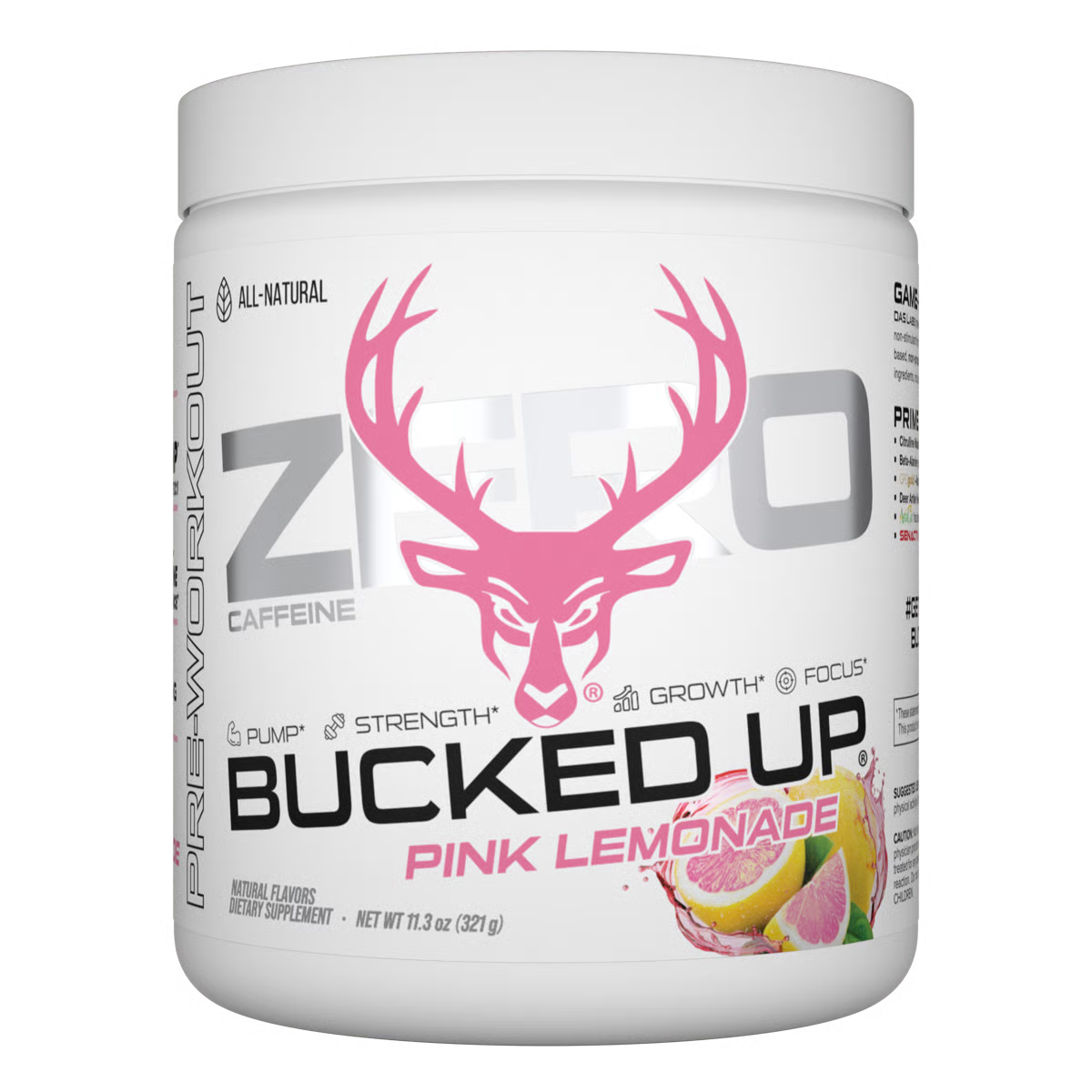
Bucked Up Non-Stimulant Pre-Workout combines this stack with specific dosing. It includes Citrulline Malate for pump support, Himalayan Rock Salt for electrolyte balance, Beta-Alanine for endurance, Taurine for cellular function, plus AstraGin for absorption and Senactiv for performance support.1 Stack Bucked Up for pumps, shop now.
How Electrolytes Support Bigger Pumps
Electrolytes directly influence how full and tight your muscles feel during training. Sodium, the primary extracellular electrolyte, regulates blood volume and fluid balance in bodybuilders, directly impacting muscle pumps by increasing blood volume and nutrient delivery to working muscles. The interaction between extracellular sodium and intracellular potassium creates an osmotic gradient that moves fluid into muscle cells and triggers anabolic signaling.
Research published in the Journal of Athletic Training shows that even mild electrolyte imbalances can reduce muscular power output by up to 15%, while proper sodium-potassium balance supports strong muscle contractions and reduces cramping. Himalayan Rock Salt in Bucked Up Non-Stimulant Pre-Workout supplies key trace minerals that help maintain this balance.1
Why Bucked Up Non-Stimulant Pre-Workout Fits Hydration Pumps
Bucked Up Non-Stimulant Pre-Workout offers a single formula built for hydration-driven pumps instead of separate products. The blend includes Citrulline Malate for pump support, Himalayan Rock Salt for electrolytes, Beta-Alanine for muscular endurance, and Taurine for cellular hydration at research-backed amounts.1
Building on the citrulline malate research mentioned in Step 5, advanced lifters performed more repetitions in leg press, leg extension, and hack squat at 60% 1RM with citrulline malate supplementation.1 These findings support citrulline malate for pump-focused and volume-focused training. AstraGin in the formula supports nutrient absorption, while Senactiv helps with exercise performance and recovery.
Customer feedback often highlights noticeable pumps and stronger sessions, with comments like “Great pump… best preworkout” and “I can feel the difference in my training sessions.” Some competitors can use proprietary blends with undisclosed dosages, while Bucked Up lists ingredient amounts so you can see exactly what you are taking.
Avoid Common Pump Mistakes and Track Progress
Several simple mistakes can blunt caffeine-free pumps, including poor baseline hydration, drinking too much water right before training, and ignoring electrolytes. Sip water steadily during your workout instead of taking large gulps at once, and use simple carbohydrates after training to help maintain muscle fullness.
Track your results with clear markers. Look for more vascularity during sets, muscle fullness that lasts 2 or more hours after training, and higher repetition performance. Rate your pump on a 1-10 scale and take progress photos to see changes in fullness and definition over time.
Advanced Hydration Strategies and Next Steps
After you dial in the basic protocol, you can rotate different Bucked Up formulations based on your goals. The Non-Stimulant formula supports hydration-based pumps, while other Bucked Up options can match phases that focus more on energy or strength.
Test different timing approaches to see what works best for you. Some lifters respond well to earlier hydration loading, while others prefer a more concentrated pre-workout window. Record how you feel and perform so you can refine your personal plan.
FAQ
Do electrolytes give a bigger pump?
Electrolytes support the osmotic gradient needed for muscle cell volumization. Sodium increases blood volume and helps drive fluid into muscle cells, while potassium supports intracellular fluid balance. Together they promote cellular swelling, visible pumps, and stronger vascularity during training.
What is a good non-stimulant supplement for hydration pumps?
Bucked Up Non-Stimulant Pre-Workout offers a formula tailored for hydration-driven pumps. It combines citrulline malate for pump support, Himalayan rock salt for electrolyte balance, beta-alanine for endurance, and taurine for cellular hydration in research-backed dosages, all without caffeine or stimulants.1
Can you get pumps without supplements?
You can build strong pumps using the first four steps of the hydration protocol. Proper water intake, electrolyte balance from natural sources like sea salt, smart carbohydrate timing, and high-repetition training can create noticeable muscle pumps. Supplements then refine and enhance these natural processes for more consistent results.
How much water should I drink for muscle pumps?
Drink 1-2 liters of water 1-2 hours before training, plus 16-20 ounces during your workout. This timing supports plasma volume while reducing the chance of stomach discomfort. Use urine color as a guide and aim for pale yellow before you start lifting.
Is glycerol better than citrulline for pumps?
Glycerol and citrulline work through different pathways and pair well together. Glycerol pulls water into muscle tissue for greater fullness, while citrulline supports nitric oxide production for improved blood flow and vascularity. Using both often produces better results than relying on either one alone.
Conclusion: Turn Hydration Into Serious Pumps
Caffeine-free muscle pumps become much more reliable when you use structured hydration strategies. By combining smart water intake, electrolyte balance, high-repetition training, and targeted non-stim supplements, you can achieve intense pumps without relying on stimulants.
The 5-step system above gives you a clear framework for turning your body’s hydration into a pump-focused tool. Whether you train at night, manage caffeine sensitivity, or simply want a sustainable approach, these methods can support consistent, repeatable results.
1 The content provided in this article is for informational purposes only and is not medical advice. Consult with a medical professional before implementing any changes to your diet, health, or exercise routines.
Individual results will vary and are based on a combination of each individual’s diet, exercise, age, and health circumstances.
These statements have not been evaluated by the Food and Drug Administration. This product is not intended to diagnose, treat, cure or prevent any disease.
This article was written by Ryan Gardner, CEO of Bucked Up. As the maker of Bucked Up pre-workout, we have a financial interest in this information. The views expressed are our own and should be read with that context in mind.