Last updated: April 16, 2026
Key Takeaways
- Nootropic focus drinks can trigger jitters, anxiety, insomnia, and crashes, especially when they rely on high caffeine and unbalanced stimulants.1
- Safer formulations pair caffeine with L-theanine and TeaCrine to support steady energy and focus while reducing common stimulant side effects.1
- Helpful evaluation criteria include transparent labeling, moderate caffeine (150-300mg), supportive nootropics, and GMP-certified manufacturing.
- Scientific studies support combinations like caffeine plus theacrine for better cognitive performance and fewer side effects than caffeine alone.1
- Bucked Up Energy Drinks can stand out for crash-free, research-informed nootropic focus and clearly disclosed formulations.1
Common Side Effects and Risks of Nootropic Focus Drinks
Nootropic focus drink side effects vary based on ingredient mix and personal tolerance. Common reactions include nervousness, jitteriness, and anxiety from stimulant effects.1 Sleep disturbances appear most often, especially when people consume these drinks later in the day.
The table below shows how different ingredient categories tend to create specific short-term effects and potential long-term risks.
| Ingredient Category | Short-Term Effects | Long-Term Risks |
|---|---|---|
| High Caffeine (300mg+) | Jitters, anxiety | Tolerance buildup, dependency |
| Unbalanced Stimulants | Insomnia, sleep disturbances | Disrupted sleep patterns |
| High Sugar Content | Energy crashes, GI upset | Blood sugar instability |
People with anxiety disorders or caffeine sensitivity face higher risks of sleep disruption. Jitters and crashes appear more often with products that use excessive caffeine without supportive compounds to smooth out stimulation.1
Safer Nootropic Focus Drink Formulations
Well-designed nootropic formulations address common side effects by combining ingredients that work together. L-theanine taken with caffeine can reduce nervousness, heart palpitations, and caffeine crash, and this pairing is one of the best-documented cognitive combinations.1 TeaCrine acts in a similar way to caffeine but supports more sustained energy with less concern about habituation or tolerance buildup.1
A 2016 study found that TeaCrine showed no evidence of habituation over eight weeks of continuous use.1 This pattern makes TeaCrine-containing formulations appealing for regular use, especially for people who want to avoid the tolerance issues seen with caffeine-only products.
Key Evaluation Criteria for Safe Nootropic Drinks
Smart selection of nootropic focus drinks starts with a few core safety factors.
- Transparent ingredient labeling with clearly listed dosages
- Moderate caffeine content (150-300mg) paired with supportive compounds
- Inclusion of L-theanine or TeaCrine to balance stimulation
- GMP-certified manufacturing for consistent quality
- Low sugar content to reduce the chance of energy crashes
- Third-party testing for purity and potency
Together, these criteria highlight formulations built for steady cognitive support instead of quick spikes and hard crashes. Clear labels and thoughtfully paired ingredients help you choose drinks that deliver balanced focus rather than a short-lived jolt.
Product Types Matched to Different Focus Goals
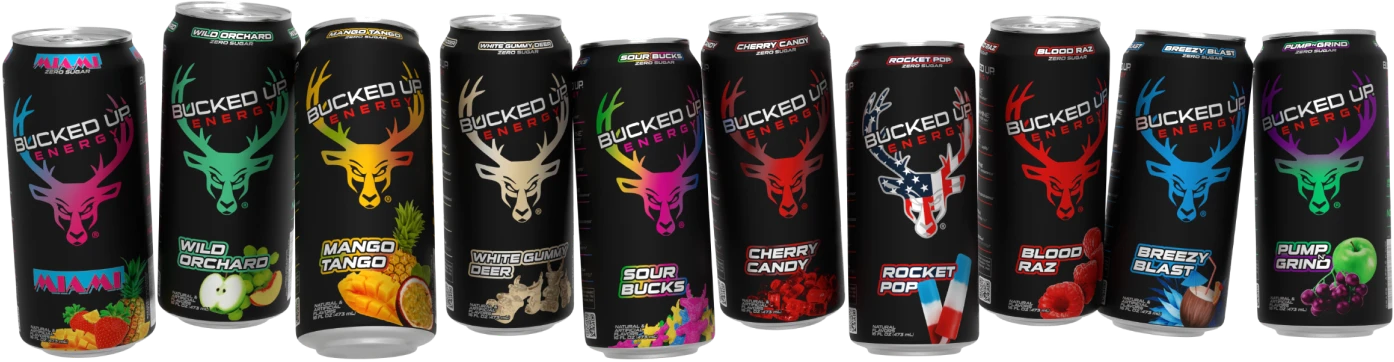
Nootropic focus drinks fall into useful groups based on caffeine content and who they are designed to support. High-achieving students and busy professionals often respond well to moderate-to-high caffeine formulations in the 200-300mg range paired with focus enhancers such as Alpha-GPC. Bucked Up Energy Drinks follow this balanced pattern with clearly labeled nootropics for sustained cognitive performance.1
People who want fat-burning support along with focus may look for formulations that combine 150-200mg caffeine with thermogenic ingredients like Paradoxine. These blends can support both mental performance and calorie burn when used as directed.1
Women-focused formulations often use natural caffeine sources around 150mg and aim for a gentler stimulation profile. This approach can help reduce side effects while still supporting alertness and concentration.
Customer feedback often emphasizes the value of avoiding crashes. One user shared, “This energy drink keeps me going all day. I even feel energized in the afternoon just drinking one in the morning… I do not crash at all during the day and stay awake.1”
Scientific Evidence and Safety Data
A combination of 150 mg caffeine and 150 mg theacrine improved accuracy, reaction times, and reaction time consistency compared to 300 mg caffeine alone in tactical personnel under physically fatiguing conditions.1 This research supports using ingredient combinations instead of relying only on higher caffeine doses.
Research on paraxanthine supplementation examined effects on energy expenditure, satiety, calorie burn, fat oxidation, and anxiety. These results suggest that carefully chosen compounds can support alertness and metabolism while limiting typical stimulant drawbacks.
Alpha-GPC, a widely used nootropic, supports acetylcholine production, which plays a key role in memory and learning.1 Formulations that combine Alpha-GPC with balanced caffeine and L-theanine can offer broad cognitive support while keeping risk profiles relatively low.
Benefits and Limitations of Nootropic Focus Drinks
Thoughtfully formulated nootropic focus drinks can provide steady energy, sharper focus, and a better mood profile compared with many traditional energy drinks.1 Studies show L-theanine taken with caffeine can sharpen reaction time, which supports tasks that demand quick, accurate responses.1
Certain groups still face clear limitations. Pregnant or breastfeeding women, people with cardiovascular disease, uncontrolled hypertension, or those taking medications such as antidepressants are often advised to avoid nootropic beverages. Individual caffeine sensitivity also shapes tolerance and ideal dosing, so personal response should guide use.
Practical Selection Guidance and Daily Use Tips
Safe use of nootropic focus drinks depends on consistent, simple habits.
- Start with one serving per day to see how your body responds
- Drink earlier in the day, ideally before 5 PM, to reduce sleep disruption
- Use nootropic drinks 3-5 days per week to help limit tolerance buildup
- Stay hydrated and avoid stacking them with other stimulants
- Track total daily caffeine intake from all beverages and supplements
Many people do well with 1-3 functional drinks per day, rotating types, avoiding double-dosing the same ingredients, and watching how they feel. Bucked Up Energy Drinks support this approach with clear labels and dosing details that make it easier to manage your daily intake.
Frequently Asked Questions
Are nootropic drinks healthy?
Nootropic drinks can support health when they use transparent ingredients, balanced caffeine levels, and supportive compounds. Products that include L-theanine, TeaCrine, and moderate caffeine in the 150-300mg range can deliver cognitive benefits with fewer side effects for many users.1 The key factor is choosing brands that disclose exact ingredient amounts and follow GMP-certified manufacturing standards.
Is it safe to take nootropics every day?
Daily nootropic use can be reasonable with well-formulated products and moderate dosing. TeaCrine-based formulations have shown no habituation effects in studies lasting up to eight weeks of daily use.1 Cycling intake three to five days per week still helps limit tolerance, and starting with lower doses allows you to gauge your own response before making daily use a habit.
What is the downside of nootropics?
Main downsides include possible jitters, anxiety, sleep disruption, and energy crashes when products rely on high caffeine without balancing ingredients. High-caffeine drinks that skip compounds like L-theanine tend to raise these risks. Some people may also notice headaches, stomach upset, or changes in blood pressure. Choosing products with full labels and supportive nootropics can reduce many of these concerns.
Can nootropic drinks cause dependency?
Dependency risk depends heavily on the formulation. Caffeine-heavy products can create physical dependence and withdrawal symptoms such as headaches and fatigue. TeaCrine and several other advanced nootropics have not shown habituation or tolerance buildup in available research. Products that combine moderate caffeine with non-habit-forming nootropics usually present lower dependency risks than many traditional energy drinks.1
How do I choose the safest nootropic focus drink?
Safe choices start with full ingredient disclosure, moderate caffeine content in the 150-300mg range, and supportive compounds such as L-theanine or TeaCrine. Look for GMP-certified manufacturing and avoid proprietary blends that hide exact amounts, very high caffeine levels, or artificial stimulants. Third-party testing seals provide extra reassurance about purity and potency.
Conclusion
Nootropic focus drinks can fit into a safe routine when they rely on transparent formulations and research-backed ingredients. Products that use balanced caffeine, supportive nootropics, and strong quality controls tend to reduce common side effects while still supporting focus, mood, and mental performance.1 Bucked Up Energy Drinks reflect this balanced formulation approach discussed throughout this guide.
1 The content provided in this article is for informational purposes only and is not medical advice. Consult with a medical professional before implementing any changes to your diet, health, or exercise routines.
Individual results will vary and are based on a combination of each individual’s diet, exercise, age, and health circumstances.
These statements have not been evaluated by the Food and Drug Administration. This product is not intended to diagnose, treat, cure or prevent any disease.
This article was written by Ryan Gardner, CEO of Bucked Up. As the maker of Bucked Up Energy Drinks, we have a financial interest in this information. The views expressed are our own and should be read with that context in mind.