Written by: Ryan Gardner, Owner, Managing Partner, CEO, Bucked Up | Last updated: April 17, 2026
Key Takeaways
- Creatine loading can rapidly saturate muscle stores and increase phosphocreatine by 20-40% in 5-7 days, which supports power, strength, and recovery for athletes.1
- Five main approaches include traditional 20g/day monohydrate loading, conservative loading, HCl low-dose use, no-load maintenance, and blend-enhanced options, each with different speed and comfort trade-offs.
- Traditional loading can cause temporary bloating, while HCl and conservative methods tend to reduce gastrointestinal distress while still reaching saturation.1
- Effective habits include splitting doses, drinking 80-100 ounces of water daily, timing creatine near workouts, and maintaining consistent training.
- Athletes can choose targeted options like Bucked Up creatine products that are NSF-certified and designed to support bloat-conscious performance across different protocols.1
Creatine Loading Framework for Competitive Athletes
Creatine loading uses elevated short-term doses to quickly saturate muscle phosphocreatine stores. The five primary protocols include traditional monohydrate loading at 20 grams per day for 5-7 days, conservative loading with lower doses, HCl low-dose methods, no-load maintenance strategies at 3-5 grams per day, and enhanced blends that pair creatine with recovery compounds. Each protocol offers specific benefits and trade-offs for competitive athletes. This guide explains the core science, compares the main options, outlines practical implementation, and addresses common challenges with evidence-based recommendations.
Foundational Overview: How Creatine Loading Works for Athletes
Creatine loading typically uses 20 grams daily, split into four 5-gram doses, to rapidly increase muscle phosphocreatine stores and support faster ATP regeneration.1 This accelerated protocol achieves the saturation levels mentioned in the key takeaways within 5-7 days, while maintenance-only dosing usually requires 3-4 weeks. Faster saturation supports improved power output, strength gains, and quicker recovery between high-intensity efforts.1
Loading phases can be especially useful for competitive athletes preparing for events or training blocks that demand rapid performance improvements.1 Loading remains optional because maintenance doses still reach similar long-term saturation, although the process takes longer.
Given these foundational principles, athletes can select from several loading strategies that balance speed, comfort, and convenience.
Key Creatine Strategies: 5 Loading and Saturation Options for Competitors
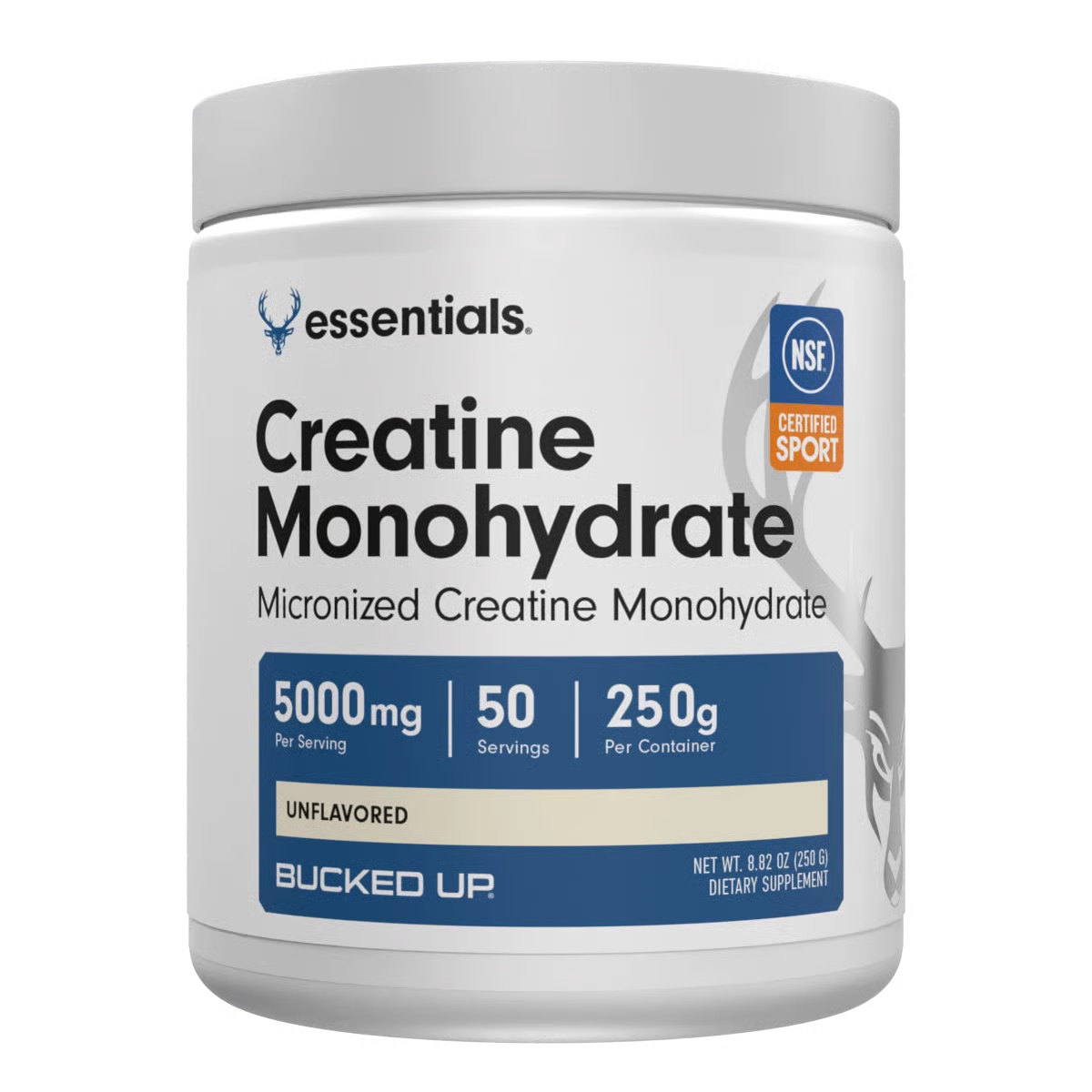
1. Traditional Monohydrate Loading: Twenty grams daily for 5-7 days, divided into four 5-gram doses, delivers the fastest muscle saturation.1 Bucked Up’s Pure Creatine Monohydrate uses micronized particles and offers flavored options like Blue Raspberry to improve mixability and taste.
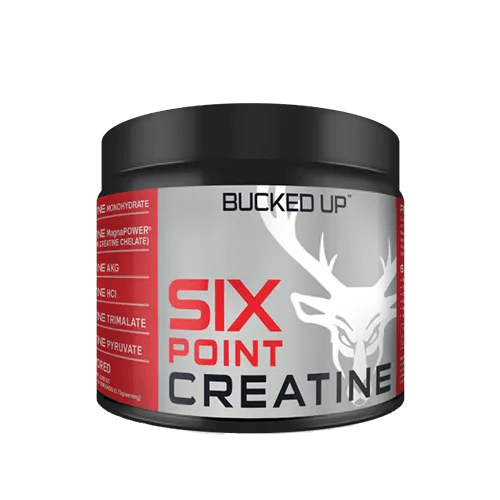
2. Conservative Loading: Lower daily doses over a longer period can balance saturation speed with fewer side effects.1 Bucked Up’s Six Point Creatine uses a multi-blend approach with six different creatine forms that support varied absorption profiles.1
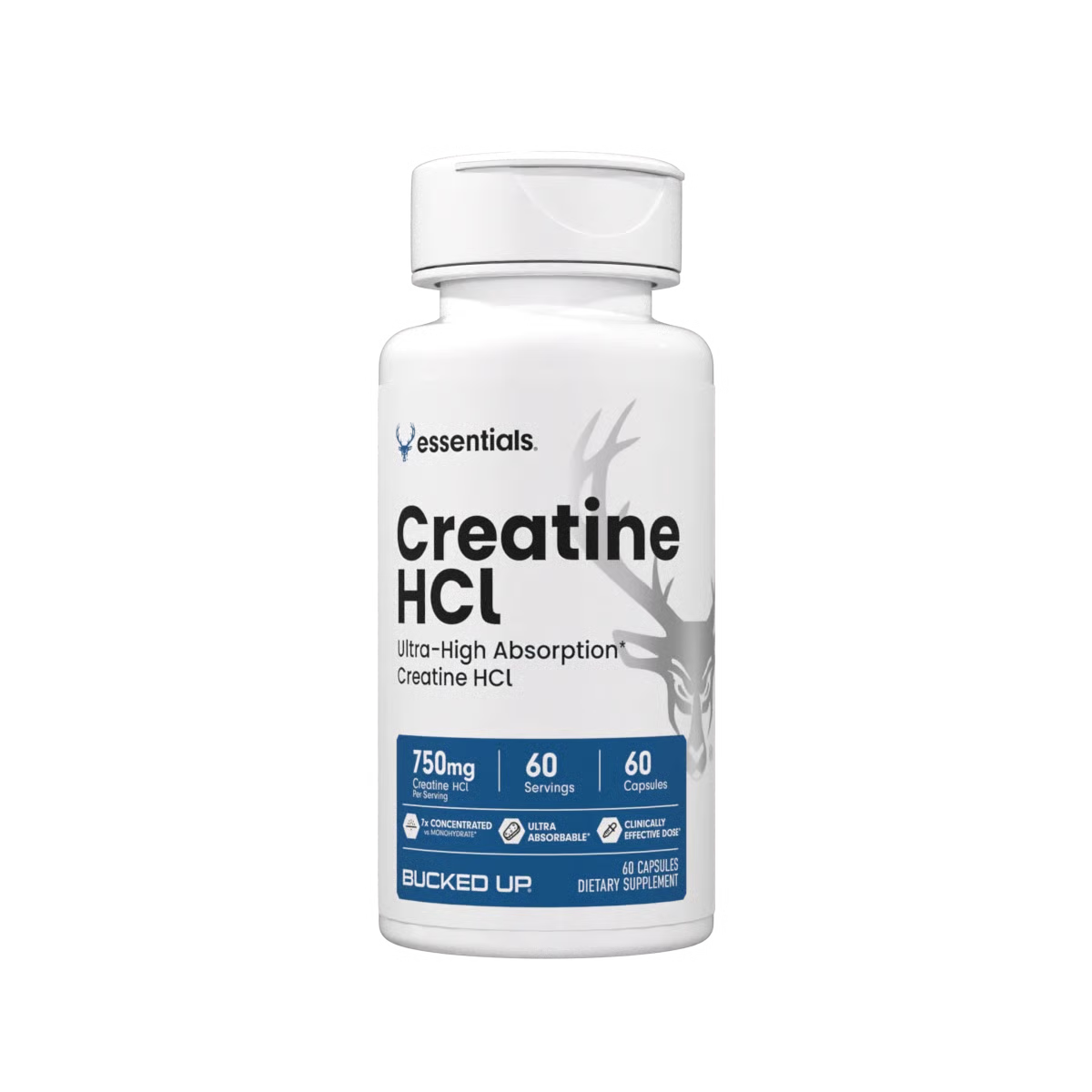
3. HCl Protocol: Daily doses of about 0.75-1.5 grams without a formal loading phase can help minimize bloating.1 Bucked Up’s Creatine HCl capsules contain CON-CRĒT® at 750 milligrams per capsule, which allows precise dosing.
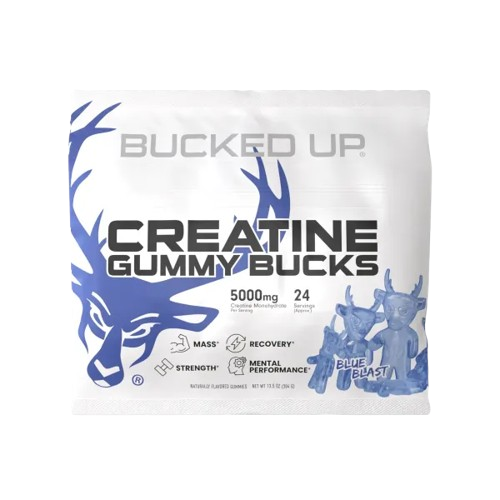
4. No-Load Maintenance: Daily intake of 3-5 grams supports gradual saturation over roughly 3-4 weeks. Bucked Up’s Creatine Gummies provide portable 5-gram servings in flavors like Tropic Thunder and Raspberry Blitz, which can simplify consistency.
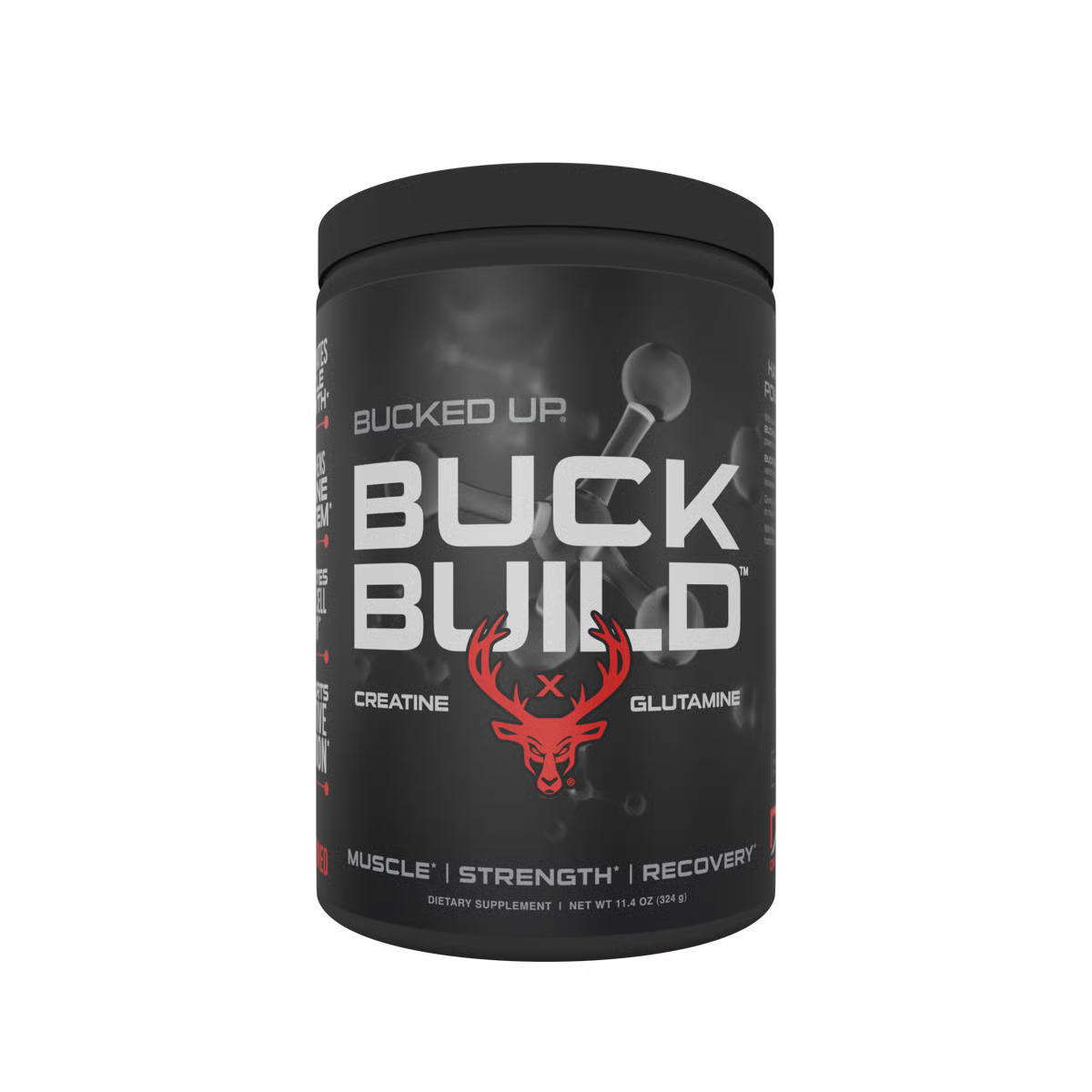
5. Blend-Enhanced Loading: This approach combines creatine with recovery compounds such as glutamine and HMB to support multiple performance goals at once.1 Bucked Up’s Buck Build and All Bulk No Bloat include several performance ingredients to support strength, recovery, and body composition.1
The comparison table below summarizes these five approaches across dosing, athlete-focused pros and cons, and matching Bucked Up products so you can quickly identify which strategy aligns with your training schedule, competition timeline, and tolerance for side effects.
| Protocol | Dose/Duration | Pros/Cons for Athletes | Bucked Up Match |
|---|---|---|---|
| Traditional Monohydrate | 20g/day (4x5g), 5-7 days | Pros: Rapid saturation (see foundational overview), strong research base; Cons: Bloating in 5.5% of users | Pure Creatine (Blue Raspberry) |
| Conservative | Lower dose over extended period | Pros: Reduced side effects, easier adherence; Cons: Slower saturation | Six Point Creatine |
| HCl Protocol | 0.75-1.5g/day, no loading | Pros: Minimal bloating, smaller serving size; Cons: Higher cost per gram | Creatine HCl |
| No-Load | 3-5g/day, ongoing | Pros: Simple routine, steady gains; Cons: About 3-4 weeks to reach saturation | Creatine Gummies |
| Blend-Enhanced | Variable with additional compounds | Pros: Multi-benefit support for strength and recovery; Cons: More complex formulas and dosing | Buck Build |
Benefits, Limitations & Key Trade-offs for Athletes
Loading protocols can deliver faster performance improvements than maintenance-only approaches. Five-day loading has been shown to improve maximal strength and anaerobic power in trained athletes.1 Traditional monohydrate loading, however, can cause temporary bloating and gastrointestinal discomfort for a subset of users.1 Creatine HCl forms often show lower rates of digestive issues, likely because they dissolve more easily and require smaller doses.1
Twenty grams per day can be used safely when split into smaller servings across the day, which helps reduce absorption problems and side effect risk.1 This dosing pattern directly addresses the main trade-off between speed and comfort. Faster protocols reach saturation quickly but require closer attention to dose timing and hydration to keep digestion comfortable.
Best Practices for Creatine Loading and Daily Use
Effective loading usually pairs creatine with 80-100 ounces of water per day to support intracellular hydration and reduce digestive discomfort. Taking creatine near your workout can support uptake and training adaptations.1 Continuing to train during loading phases helps translate higher creatine levels into measurable performance gains.
Current trends in 2026 highlight multi-creatine blends and NSF Sport certification for athletes who face testing requirements. Micronized powders can improve solubility and reduce the chalky texture that some standard powders create. Splitting daily intake into several smaller servings can also reduce urinary loss and support better creatine retention.
Practical Implementation Guidance by Sport and Goal
These five protocols translate differently across sports and competition demands. Sprinters and power athletes often benefit most from protocols one and two during pre-competition phases when rapid ATP-PCr system support matters most. Powerlifters and strength athletes may gravitate toward blend-enhanced options that pair creatine with compounds like glutamine and HMB to support recovery and muscle building.1
Team sport athletes can fold creatine loading into existing pre-workout or intra-workout routines to keep nutrition simple and consistent. Athletes who travel frequently may prefer capsules or gummies for convenience, while those training at a single facility may favor powders for cost control.
Common Challenges & Misconceptions About Creatine Loading
Many athletes worry that creatine causes permanent bloating, which research does not support. Water retention from loading is usually temporary and tends to resolve within weeks after shifting to maintenance dosing. Athletes can continue normal training during loading phases and do not need to avoid rest days.
Five-day loading protocols generally provide efficient rapid saturation. As noted earlier, loading accelerates the same endpoint that maintenance dosing reaches more slowly. Extending loading to seven days often adds little benefit and mainly reflects individual comfort, schedule, and competition timing rather than large differences in effectiveness.
How to Evaluate Creatine Products for Your Protocol
Athletes can prioritize NSF Sport certification, purity levels above 99%, and delivery formats that match daily routines. Gummies and capsules support portability for travel and competition days. Powders can offer better value for regular training and allow easier adjustment of serving sizes.
Frequently Asked Questions
How much creatine should I take per day during loading?
The standard loading dose is 20 grams daily, split into four 5-gram servings across the day. This approach usually saturates muscle stores within 5-7 days. Athletes who prefer a gentler approach can use lower daily doses over a longer period, which may reduce side effects while still reaching saturation.
Are creatine pills better than powder for athletes?
Capsules provide precise dosing, easy transport, and can reduce mixing issues compared to powders. They also avoid chalky textures, which helps during travel and competition. Powders often deliver more creatine per dollar for daily training and allow flexible dose adjustments.
Should I take creatine on rest days during loading?
Consistent daily intake during loading supports continuous muscle saturation, even on rest days. Recovery days give muscles time to adapt and store the additional creatine. Skipping doses can slow saturation and reduce the impact of the loading phase.
Can I take creatine before bed?
Creatine contains no stimulants, so evening use is generally fine. Nighttime dosing may support overnight recovery and muscle repair.1 Hydration across the full day remains important to support the increased water needs that accompany higher creatine levels.
How much water should I drink with creatine loading?
Most athletes do well with 80-100 ounces of water per day during loading phases. Aim for 8-12 ounces with each creatine serving. This level of hydration supports cellular uptake, reduces digestive discomfort, and helps you get the full performance benefit of higher muscle creatine stores.1
Conclusion & Recap for Creatine Loading Choices
The five main creatine strategies offer different paths to the same goal of higher muscle saturation. Traditional monohydrate loading reaches that point fastest, while HCl and conservative methods can reduce side effects for athletes who prefer a smoother experience. No-load maintenance and blend-enhanced options provide additional flexibility for long-term use and multi-goal support.
Bucked Up’s creatine lineup aligns with each of these approaches and includes NSF-certified options for tested athletes. Start your chosen loading or maintenance plan with confidence by exploring Bucked Up’s creatine products tailored to different dosing strategies and training demands.
1 The content provided in this article is for informational purposes only and is not medical advice. Consult with a medical professional before implementing any changes to your diet, health, or exercise routines.
Individual results will vary and are based on a combination of each individual’s diet, exercise, age, and health circumstances.
These statements have not been evaluated by the Food and Drug Administration. This product is not intended to diagnose, treat, cure or prevent any disease.
This article was written by Ryan Gardner, CEO of Bucked Up. As the maker of Bucked Up Creatine, we have a financial interest in this information. The views expressed are our own and should be read with that context in mind