
Written by: Ryan Gardner, Owner, Managing Partner, CEO, Bucked Up | Last updated: April 22, 2026
Key Takeaways for Strength-Focused Muscle Growth
- Strength athletes can use a hybrid approach that keeps heavy compound lifts in the 5-8 rep range while adding 8-15 rep accessory work to drive hypertrophy without losing power.
- Weekly volume of 5-15 sets per muscle group supports growth, with 10-15 sets reserved for lagging areas to balance progress and recovery.
- Maintain a 300-500 calorie surplus with roughly 0.7-1.0 grams of protein per lb of bodyweight to support muscle gain while limiting fat gain.
- Use eccentric training, wave-style periodization, 7-9 hours of sleep, and deloads every 4-6 weeks to sustain long-term progress.
- Fuel strength-first hypertrophy with Bucked Up pre-workout for consistent energy, focus, pump, and endurance built on transparent ingredients.1
Hybrid Training Strategies for Strength Athletes
Strength athletes build muscle most effectively when they blend heavy lifting with focused hypertrophy work. The base of the program stays rooted in compound movements like squats, deadlifts, and bench presses performed in the 5-8 rep range to maintain strength adaptations. Accessory movements then shift into the 8-15 rep range during specific blocks to add volume and stimulate hypertrophy without sacrificing neural efficiency.
Pelland et al.’s 2025 meta-regression found 5-15 working sets per muscle group per week optimal for hypertrophy, with the highest efficiency occurring at 5-10 sets. This volume range lets strength athletes bring up lagging muscle groups while avoiding fatigue that would interfere with heavy compound performance.
Beyond total volume, the type of stimulus also shapes growth. Eccentric training and tempo work create extra hypertrophy stimulus through stretch-mediated mechanisms. Andrews et al.’s 2026 research showed that nine weeks of eccentric training increased muscle fiber length by 25% and added sarcomeres in series, which supports greater force production across longer muscle lengths.
To put these principles into practice, use this structured protocol that blends strength preservation, hypertrophy stimulus, and recovery habits.
7-Step Maximum Gains Protocol:
- Prioritize progressive overload on compound movements.
- Target 10-15 sets weekly for lagging muscle groups.
- Maintain a 300-500 calorie surplus with adequate daily protein.
- Take Bucked Up pre-workout 20-30 minutes before training.
- Implement consistent recovery habits and sleep-focused routines.
- Track strength metrics and body composition changes over time.
- Adjust volume and intensity based on performance indicators.
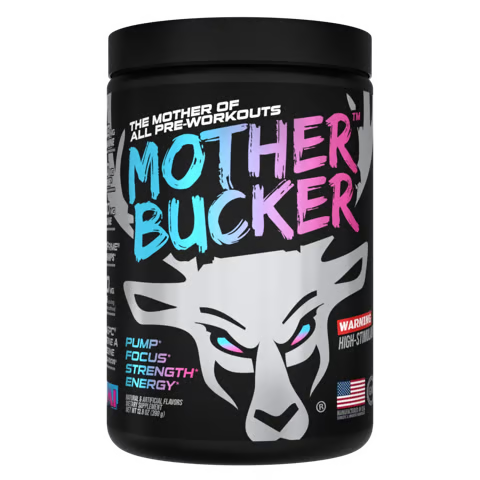
Step 4 highlights pre-workout timing, and the most demanding days often need extra support. For heavy compound sessions in the 5-8 rep range or longer workouts, Mother Bucker’s higher stimulant content can help you sustain endurance and complete all prescribed sets with the required intensity.1
Optimal Reps and Sets for Strength Athletes Chasing Size
Rep Ranges That Support Strength and Muscle Growth
The main rep range for strength athletes who want muscle growth typically falls between 6-12 repetitions, which corresponds to about 30-80% of one-rep maximum. This range creates enough mechanical tension and metabolic stress for hypertrophy while still reinforcing the neural adaptations that drive strength. Lower rep ranges from 1-5 focus more on neural strength gains, while very high ranges above 15 can reduce power output in later sessions.
Weekly Set Targets per Muscle Group
As noted earlier, the 5-10 set range per muscle group each week offers strong efficiency for most muscles, while lagging areas often benefit from the upper end of 10-15 sets. This structure gives enough stimulus for growth while preserving recovery capacity for heavy compound lifts.
Balancing Low Reps and High Reps for Muscle Growth
Hybrid plans that combine low and moderate rep ranges often serve strength athletes better than high-rep-only approaches. Wave periodization, where you alternate 5×5 strength blocks with 3×10 hypertrophy phases, helps maintain power while building the total volume needed for muscle gain.
| Rep Range | Primary Benefit | Example Application |
|---|---|---|
| 5-8 (Strength Bias) | Neural efficiency, power preservation | Competition lifts, main movements |
| 8-15 (Hypertrophy) | Muscle growth, metabolic stress | Accessory work, isolation exercises |
| Wave Periodization | Combined strength and size gains | Alternating 4-week blocks |
Nutrition Targets to Support a Muscle-Building Surplus
Strength athletes need a controlled caloric surplus to add muscle without unnecessary fat gain. Research-backed recommendations suggest a 300-500 calorie daily surplus, which usually equals about 5-10% above maintenance calories. This range supports muscle protein synthesis while keeping fat gain manageable.
Protein intake should reach 1.6-2.2 grams per kilogram of bodyweight daily, or roughly 0.7-1.0 grams per lb of bodyweight. Leaner athletes often benefit from the higher end of this range. Carbohydrates should support training performance, with enough intake to fuel heavy lifting and speed recovery.
| Macro | Grams/Day (200lb athlete) | % Calories | Primary Sources |
|---|---|---|---|
| Protein | 145-200g | 20-25% | Lean meats, eggs, dairy |
| Carbohydrates | 300-400g | 40-50% | Rice, oats, potatoes, fruit |
| Fats | 80-110g | 25-35% | Nuts, oils, fatty fish |
Pair this surplus with Bucked Up pre-workout so your extra calories translate into higher-quality training sessions, stronger performance, and better use of that growth phase.1

Recovery Essentials That Keep Strength and Size Moving Forward
Recovery becomes a major factor when you combine heavy loads with higher training volumes. Sleep quality of 7-9 hours per night supports growth hormone release and muscle protein synthesis, which often peaks 24-48 hours after training.
Strategic deload weeks every 4-6 weeks, with volume reduced by 40-60%, give the central nervous system and connective tissues time to recover while you maintain movement patterns. For example, dropping from 4 sets of 10 repetitions to 2 sets of 10 at lighter loads keeps technique sharp while encouraging supercompensation.
Key recovery strategies include:

- Consistent sleep schedule that aligns with your natural circadian rhythm.
- Active recovery through low-intensity movement on rest days.
- Adequate hydration with electrolyte replacement after hard sessions.
- Strategic use of Bucked Up Non-Stimulant pre-workout for late training sessions when you want focus without extra caffeine.1
Pre-Workout Supplement Strategies for Strength Athletes
Stack Bucked Up pre-workout 20-30 minutes before training to support pump, focus, and endurance.1 Citrulline malate supplementation can increase bench press repetitions by 52% and can reduce muscle soreness by up to 40% over the next 24-48 hours.1
Bucked Up products use transparent labels with clearly listed doses. The standard Bucked Up formula contains 6,000mg l-citrulline malate and 2,000mg beta-alanine, while Mother Bucker provides 6.4g beta-alanine along with Nitrosigine for added pump support.1
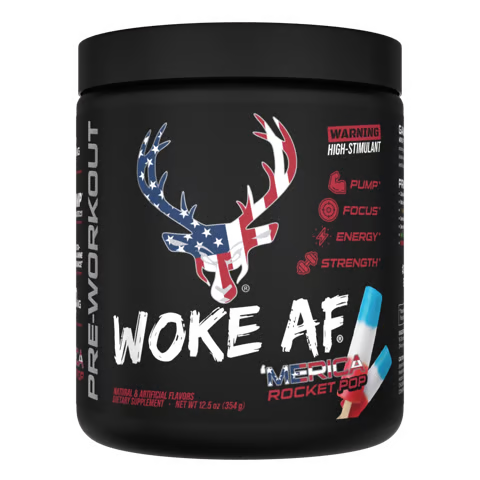
Caffeine at 3-6mg per kilogram bodyweight enhances power output and reduces fatigue.1 Bucked Up offers 200mg of caffeine, Woke AF offers 333mg, and Mother Bucker offers 400mg, giving you options that match your tolerance and training demands.
4-Week Hybrid Program and Progress Tracking Blueprint
This sample hybrid program alternates strength-focused and hypertrophy-focused days while keeping compound lifts at the center of your week. Track both strength metrics, such as one-rep max changes, and physique markers like measurements and photos so you can confirm that strength and size progress stay aligned.
The table below outlines how to organize each training day, balance heavy compound work with accessory volume, and time your Bucked Up pre-workout for each type of session.
| Day | Focus | Exercises/Sets/Reps | Bucked Up Timing |
|---|---|---|---|
| Day 1 | Squat Strength-Hypertrophy | Squat 5×5, Leg Press 3×10, Accessories 3×12 | Mother Bucker 30min pre |
| Day 2 | Bench Strength-Hypertrophy | Bench 5×5, Incline DB 3×10, Triceps 3×12 | Woke AF 30min pre |
| Day 3 | Deadlift Strength-Hypertrophy | Deadlift 5×5, Rows 3×10, Back work 3×12 | Bucked Up 30min pre |
| Day 4 | Accessory Hypertrophy | Upper/lower split, 3×10-15 all exercises | Non-Stim if evening |
Adjust training volume based on recovery signals and performance trends. Increase accessory volume for lagging muscle groups while keeping compound movement frequency and intensity consistent.
Frequently Asked Questions
How can athletes increase muscle mass?
Athletes can increase muscle mass by using hybrid training in the 6-12 rep range, maintaining the recommended calorie surplus with adequate protein intake, and using effective pre-workout support like Bucked Up to handle higher training volumes while preserving strength performance.1
What rep range works well for strength athletes building muscle?
The 6-12 repetition range often works well for strength athletes who want muscle growth because it provides enough mechanical tension for hypertrophy while still supporting neural adaptations for power. This range pairs well with heavier 5-8 rep work to maintain peak strength.
How many sets per week support muscle growth?
Many lifters see solid progress with 5-10 sets per muscle group each week, while lagging areas often respond to 10-15 sets. This volume usually delivers enough growth stimulus while still allowing recovery from heavy compound movements.
Which muscles are often hardest to grow for strength athletes?
Back and leg muscles often feel hardest to grow because they already handle heavy compound work and high systemic fatigue. Targeted eccentric work, slightly higher volumes, and improved focus through supplements like Woke AF can help improve mind-muscle connection and growth in these areas.1
Conclusion: Apply Strength-First Hypertrophy with Transparent Support
Breaking through muscle-building plateaus often requires moving beyond generic bodybuilding plans and shifting toward strength-first hypertrophy strategies. By combining hybrid rep ranges, smart training volumes, dialed-in nutrition, and transparent pre-workout supplementation, strength athletes can add muscle while keeping the power that defines their sport.
Maximize muscle gains with these science-backed protocols and fuel your sessions with Bucked Up’s transparent, performance-focused formulations.1 Start your strength-first hypertrophy phase with Bucked Up’s pre-workout lineup and support every heavy set with consistent energy and focus.1
1 The content provided in this article is for informational purposes only and is not medical advice. Consult with a medical professional before implementing any changes to your diet, health, or exercise routines.
Individual results will vary and are based on a combination of each individual’s diet, exercise, age, and health circumstances.
These statements have not been evaluated by the Food and Drug Administration. This product is not intended to diagnose, treat, cure or prevent any disease.
This article was written by Ryan Gardner, CEO of Bucked Up. As the maker of Bucked Up pre-workout, we have a financial interest in this information. The views expressed are our own and should be read with that context in mind.