Written by: Ryan Gardner, Owner, Managing Partner, CEO, Bucked Up | Last updated: April 17, 2026
Key Takeaways for Women Using Creatine
- Women can build lean muscle with creatine by using lower-bloat forms like HCl and micronized monohydrate that help limit water retention.1
- Creatine supports strength, power output, muscle preservation, and cognitive function by helping regenerate ATP during high-intensity exercise.1
- Many nutrition experts recommend 3–5g creatine daily without a loading phase, along with 80–100 ounces of water, to support absorption and reduce GI discomfort.1
- Helpful evaluation criteria include purity (NSF/GMP certified), absorption profile, dosing convenience, and women-specific formulations.
- Bucked Up offers women-focused, lower-bloat options like Babe Creatine HCl capsules and creatine gummies; explore these women-specific formulations now.
Why Creatine Supports Lean Muscle Without Excess Bloat
Creatine increases phosphocreatine stores in muscle, which helps regenerate ATP during intense efforts.1 Recent 2024 research confirms creatine’s effectiveness for strength and power improvements across diverse populations.1
Different creatine forms carry different bloating risks. Standard monohydrate remains effective but can cause noticeable water retention for some people.1 Creatine HCl shows higher solubility with lower water-retention potential, which can appeal to women who prioritize a leaner look.1 Micronized monohydrate offers a middle ground with improved mixing and absorption compared to standard monohydrate.
Nutrition experts often recommend 3–5 grams daily without loading phases, paired with 80–100 ounces of water. This steady approach usually reaches muscle saturation in about 3–4 weeks and can help limit gastrointestinal distress.1
Understanding how creatine works sets the foundation. The next step is choosing a product that matches your goals, comfort level with bloating, and preferred format.
How to Judge No-Bloat Creatine Products
When you compare creatine options for lean muscle gains with minimal bloating, focus on these factors:
- Purity and Quality: Seek 99.8% micronized formulas with NSF or GMP certifications.
- Absorption Profile: HCl forms often mix more easily in water, while micronized monohydrate improves on standard monohydrate.1
- Delivery Method: Capsules and gummies offer precise dosing and avoid mixing powders.
- Dosing Convenience: Look for products that support a simple 3–5g daily routine without a loading phase.
- Women-Specific Formulation: Some products are branded and dosed with women’s physiology and aesthetic goals in mind.
7 Creatine Picks for Women in 2026: Lean Gains, Less Bloat
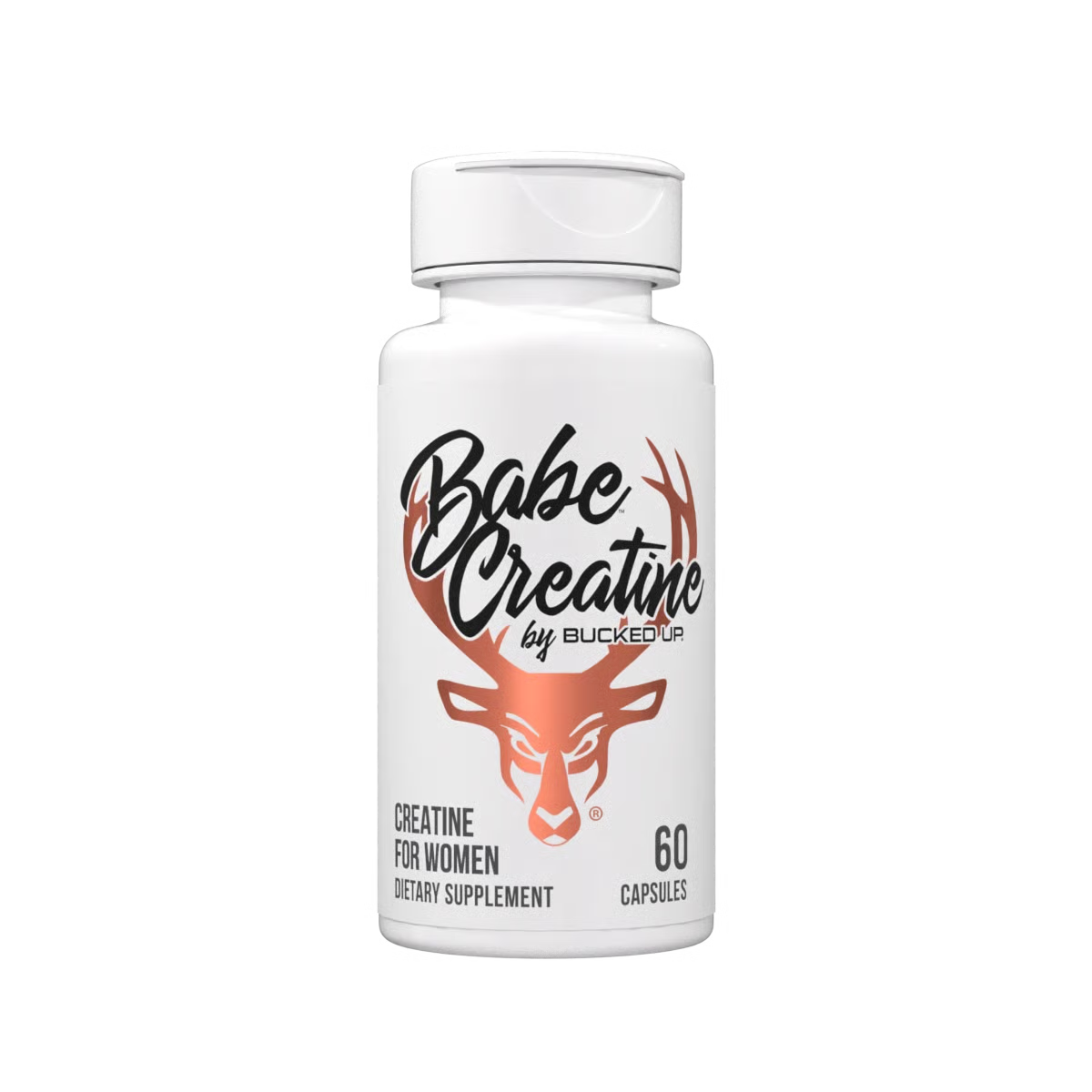
#1 Bucked Up Babe Creatine (CON-CRĒT HCl)
Form: Capsules, 750mg CON-CRĒT HCl per capsule
Best For: Women over 40 who want lean muscle support with lower perceived bloating1
Pros:
- Women-specific formulation using CON-CRĒT HCl
- NSF and GMP certified for purity and safety
- No loading phase required
- High solubility that may help lower bloating risk1
Cons:
- Higher cost per serving than many monohydrate powders
- Requires 1–2 capsules daily to reach common dosing targets
User Experience: “No bloating as long as I keep up with proper water intake and definitely noticing better pump and growth.”1
#2 Bucked Up Creatine HCl
Form: Capsules, 750mg CON-CRĒT HCl per capsule
Best For: Fast absorption without women-specific branding1
Pros:
- Uses the same CON-CRĒT HCl technology as Babe Creatine
- Shares the same NSF and GMP certifications and absorption benefits as Babe Creatine1
- Can appeal to users who prefer gender-neutral packaging
- May ease concerns about water retention for some users1
Cons:
- Not marketed specifically toward women
- Premium pricing associated with HCl technology
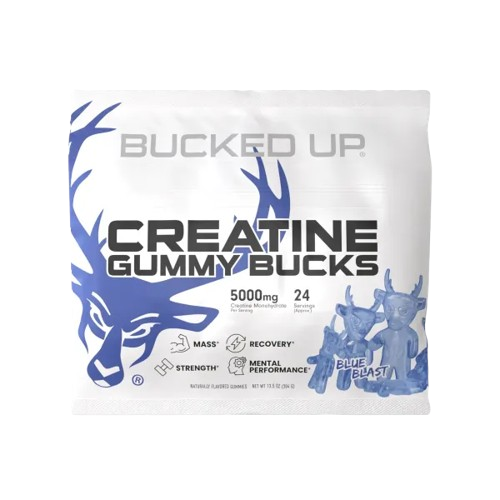
#3 Bucked Up Creatine Gummies
Form: Gummies, 5g monohydrate per 5-gummy serving
Best For: Convenient, portable creatine intake
Pros:
- Easy to carry and use on busy days
- Great taste with multiple flavor options
- Micronized monohydrate may feel easier on the stomach than some standard powders1
- No mixing, scoops, or shakers required
Cons:
- Higher cost per gram than many powder products
- Contains small amounts of sugar
User Experience: “Love the taste and convenience, no more chalky powders!”
The table below compares these three creatine formats by bloat risk, certifications, and price per serving so you can quickly see how capsules and gummies stack up for budget and comfort.
| Product | Form/Dose | Bloat Risk | Certifications | Price/Serving |
|---|---|---|---|---|
| Babe Creatine | Capsules/750mg HCl | Low | NSF/GMP | $0.38 |
| Creatine HCl | Capsules/750mg HCl | Low | NSF/GMP | $0.38 |
| Creatine Gummies | 5 gummies/5g monohydrate | Minimal (micronized) | GMP | $1.00 |
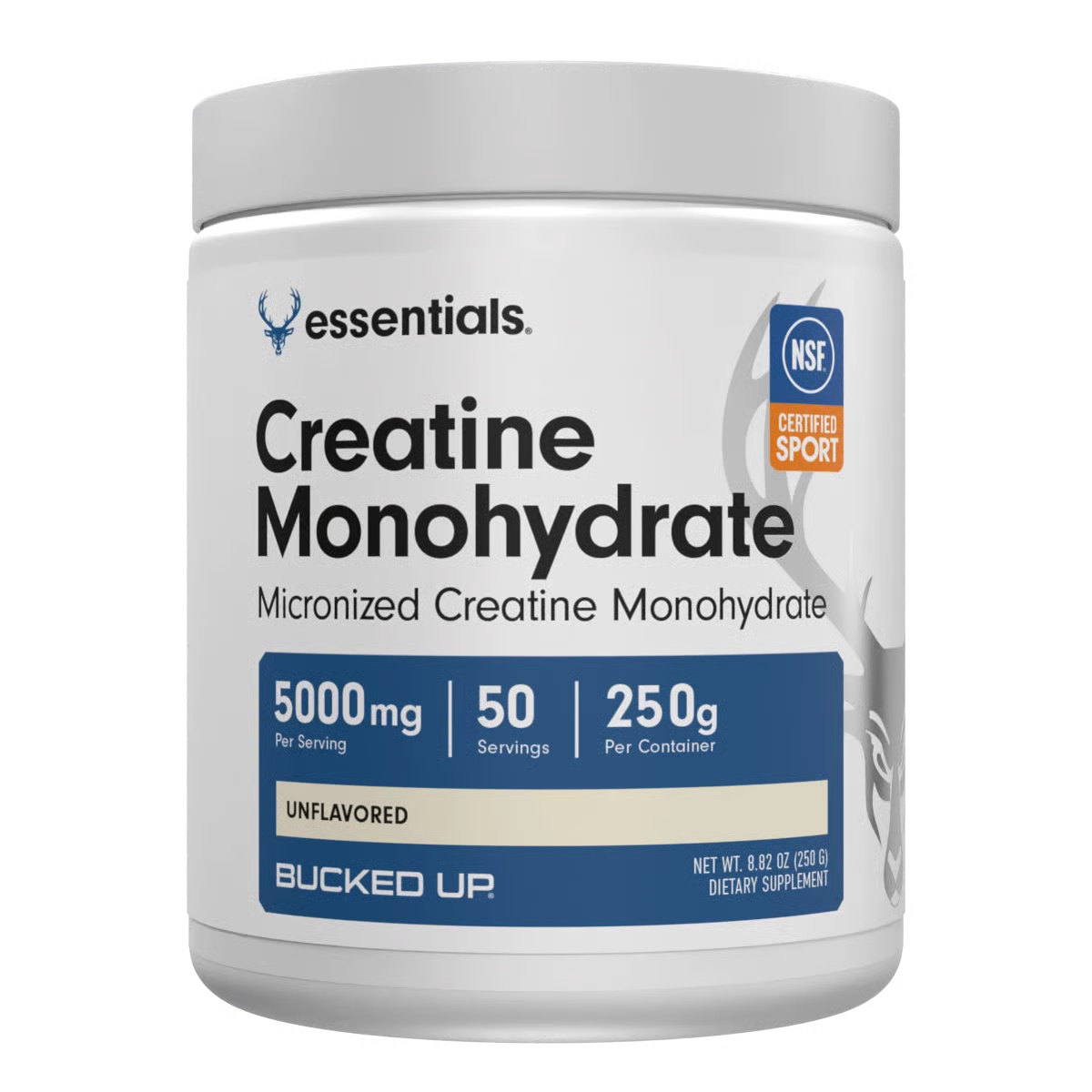
#4 Bucked Up Pure Creatine
Form: Powder, 5g micronized monohydrate
Best For: Budget-conscious users who still want flavor choices
Pros:
- Multiple flavor options
- Micronized texture for smoother mixing
- Uses the most widely researched creatine form
- Strong value per serving
User Experience: “No aftertaste and mixes perfectly with my post-workout shake.”
#5 Bucked Up Six Point Creatine
Form: Powder blend, 5g+ multi-creatine complex
Best For: Experienced users who want broad creatine coverage
Pros:
- Includes six different creatine forms for varied absorption timelines
- Designed to support thorough muscle creatine saturation1
- Flavorless and easy to mix into other drinks
User Experience: “No bloated feeling and gained 10 pounds of lean muscle in two months.”1
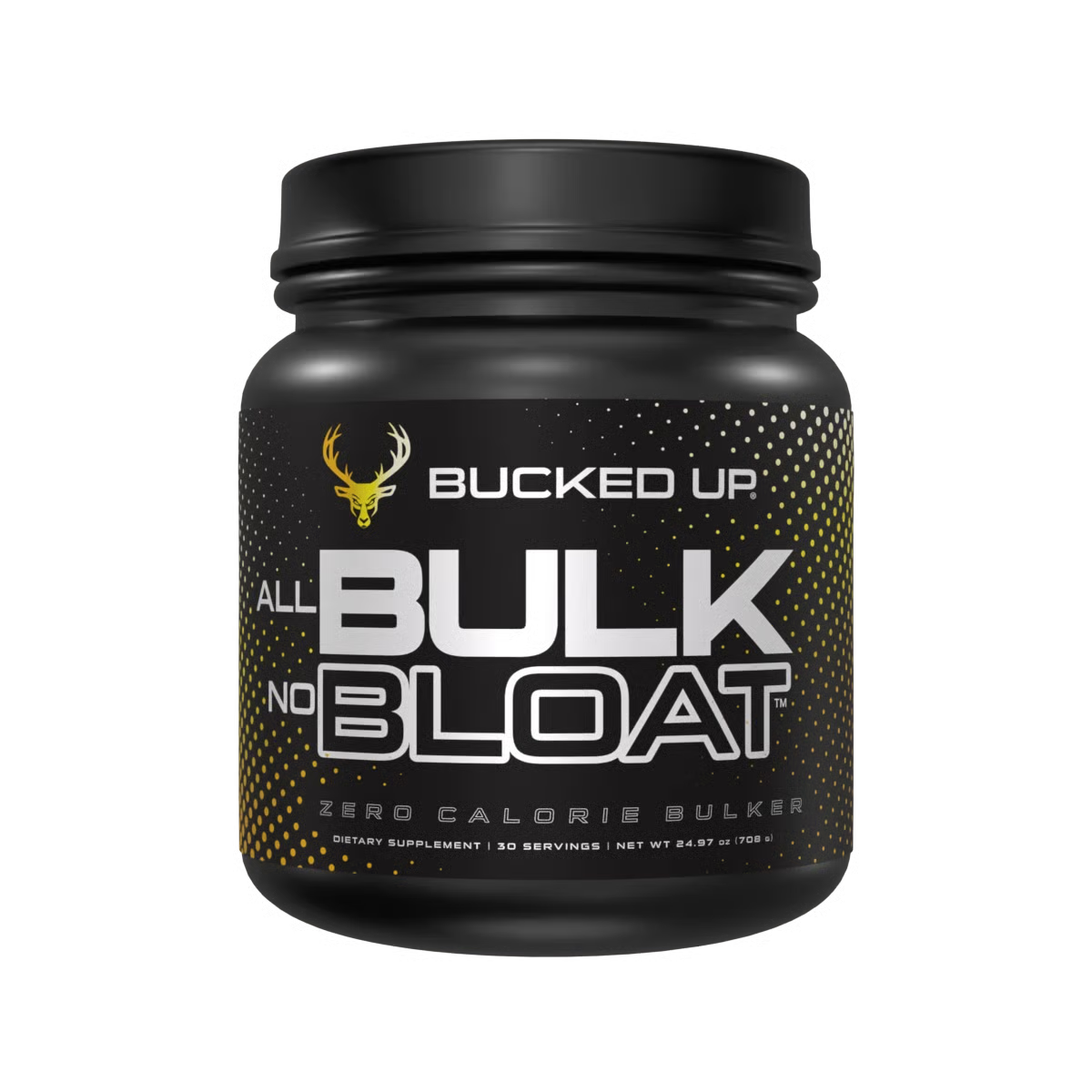
#6 Bucked Up All Bulk No Bloat
Form: Powder, 5g creatine plus additional support ingredients
Best For: Women who want muscle building support alongside weight-management goals
Pros:
- Includes HMB and betaine to support body composition1
- Zero-calorie approach compared to traditional mass gainers
- Aims to support lean gains while you manage overall weight1
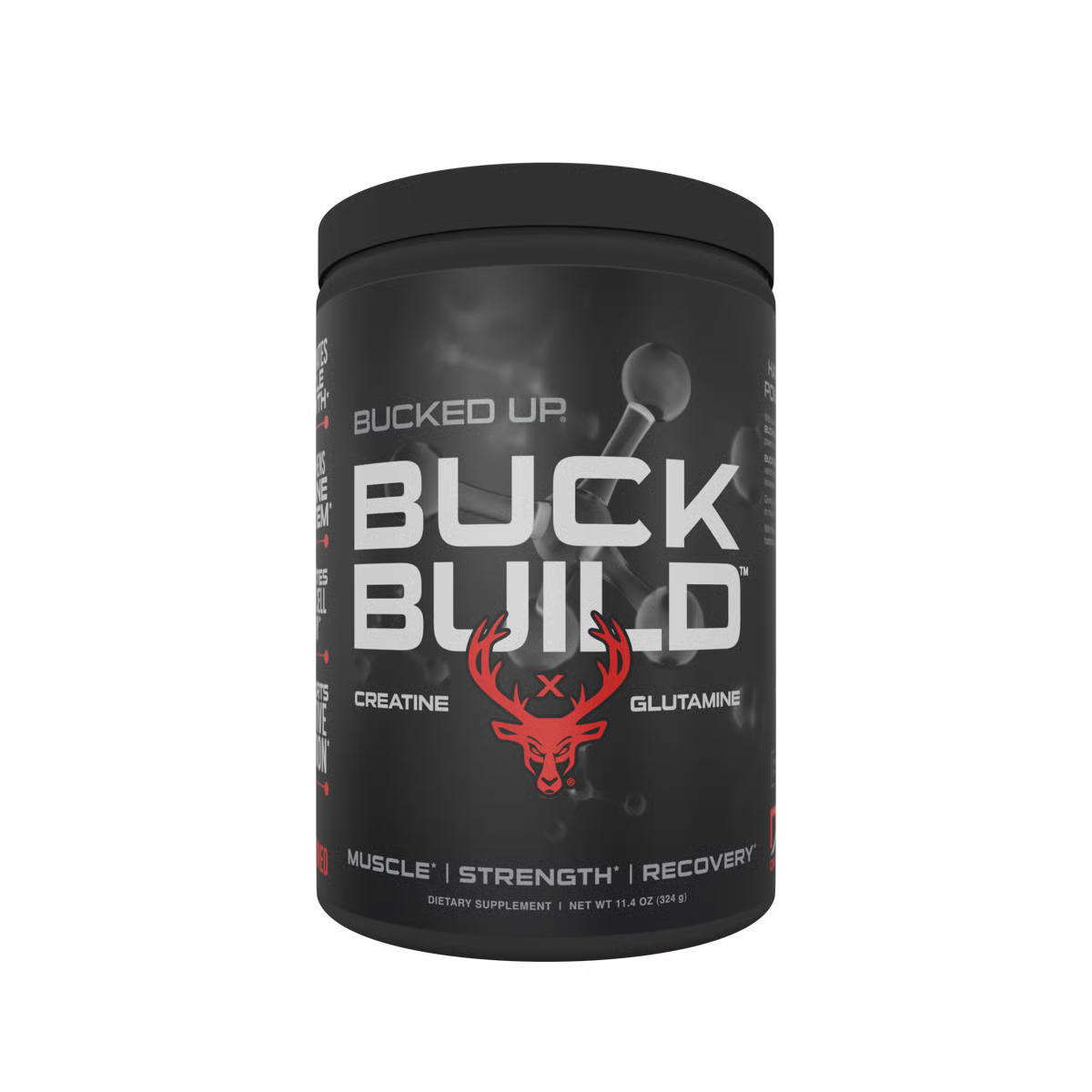
#7 Bucked Up Buck Build
Form: Powder blend with added glutamine
Best For: Users who prioritize recovery support
Pros:
- Combines creatine with L-glutamine for recovery support1
- Supports muscle growth and gut health1
- Designed for enhanced post-workout benefits
Browse Bucked Up’s complete creatine lineup to compare HCl, monohydrate, and multi-form blends.
Best Creatine Matches for Women Over 40, Weight Loss, and Gummies Fans
Women over 40 may gravitate toward Babe Creatine (#1) for muscle preservation and strength support. Research by Chilibeck et al. (2017) shows meaningful strength and lean mass gains in postmenopausal women using creatine with resistance training.1
Women who focus on weight management can look at All Bulk No Bloat (#6) for its combination of creatine and body-composition support ingredients. For women who value convenience above all, Creatine Gummies (#3) offer portable creatine with no prep or shaker required.
Practical Tips for Women Using Creatine
Women get more from creatine when they follow a simple, consistent routine that supports muscle saturation, hydration, and comfort.1
Maintain the 3–5g daily baseline mentioned earlier, including rest days, so your muscles stay saturated. Once that habit feels automatic, treat timing as flexible. You can take creatine at any time of day, although pairing it with carbs after a workout may support uptake.1
Keep the 80–100 ounce water target in mind because creatine depends on adequate cellular hydration. Many women find it easier to spread water intake throughout the day instead of chugging large amounts at once. Finally, choose a form that fits your lifestyle and digestion. Capsules often feel convenient and can reduce mixing hassles, while powders and gummies may appeal if you prefer flavored options.
Frequently Asked Questions
What is creatine and how does it work?
Creatine is a natural compound that helps regenerate ATP, which serves as your muscles’ main energy source. It supports power output during high-intensity activities and can also benefit cognitive function and muscle recovery.1
What is the difference between creatine HCl and monohydrate?
Creatine HCl mixes more easily in water and may feel less bloating for some people compared to monohydrate.1 Both forms increase muscle creatine stores effectively.1 HCl products often use lower daily doses, around 750mg to 1.5g, while monohydrate typically uses 3–5g daily.
Should I take creatine on rest days?
Daily use helps keep muscle creatine levels steady. Taking creatine on rest days supports ongoing saturation so you feel ready for your next workout.
Are capsules better than powder for women?
Capsules provide precise dosing and easy portability, and some women find they cause less gastrointestinal discomfort than certain powders.1 Capsules also remove taste concerns, which can help if you dislike flavored drinks.
How much water should I drink with creatine?
Aim for 80–100 ounces of water daily when you use creatine. Take capsules with about 8–12 ounces of water to support absorption and cellular hydration.
Conclusion: Choosing Your No-Bloat Creatine Strategy
Women who want lean muscle without noticeable bloating benefit from creatine products that emphasize absorption, convenience, and controlled water retention.1 Bucked Up’s lineup, from Babe Creatine’s women-specific HCl capsules to portable gummies, can stand out for different preferences and training styles. Match your choice to your main goal: HCl forms for lower perceived bloating, gummies for grab-and-go convenience, or micronized monohydrate for a well-studied and budget-friendly option.
Find your ideal no-bloat creatine formula and start building lean muscle today.
1 The content provided in this article is for informational purposes only and is not medical advice. Consult with a medical professional before implementing any changes to your diet, health, or exercise routines.
Individual results will vary and are based on a combination of each individual’s diet, exercise, age, and health circumstances.
These statements have not been evaluated by the Food and Drug Administration. This product is not intended to diagnose, treat, cure or prevent any disease.
This article was written by Ryan Gardner, CEO of Bucked Up. As the maker of Bucked Up Creatine, we have a financial interest in this information. The views expressed are our own and should be read with that context in mind