Written by: Ryan Gardner, Owner, Managing Partner, CEO, Bucked Up | Last updated: April 17, 2026
Key Takeaways for Women Using Creatine Capsules
- Women athletes often have 70–80% lower muscle creatine stores than men, so supplementation can strongly support strength, power, and recovery.1
- Creatine HCl capsules offer high absorption, minimal bloating, and grab-and-go convenience, which suits busy training and work schedules.1
- Studies show creatine is safe for long-term use in women and can support performance throughout the menstrual cycle.1
- NSF Sport certification helps competitive athletes avoid banned substances, so focus on purity and verified third-party testing.
- Bucked Up Babe Creatine HCl uses a women-focused formula with certification, supporting bloat-conscious strength goals.1
Why Creatine Capsules Work Well for Women Athletes
Creatine supplementation delivers performance and recovery benefits that matter for women athletes.1 A 2023 randomized trial with 39 active women found that creatine improved fatigue resistance by 5.8% during the luteal phase.1 This result shows better exercise recovery even during more challenging parts of the menstrual cycle.1 Creatine also supports strength, power output, faster recovery between sessions, and cognitive function.1
Capsules fit active women who want simple, consistent dosing. They remove mixing, measuring, and carrying shakers, and they can lower the chance of bloating or stomach upset.1 Creatine HCl exhibits 30–40 times higher water solubility than monohydrate, which supports faster absorption and allows smaller serving sizes.1
Experts recommend consistent daily intake, including rest days, to maintain steady muscle creatine levels. Exact dosing can vary by formulation type, so follow label directions for your specific product. Hydration still matters, and many women do well with 80–100 ounces of water per day to support cellular function.
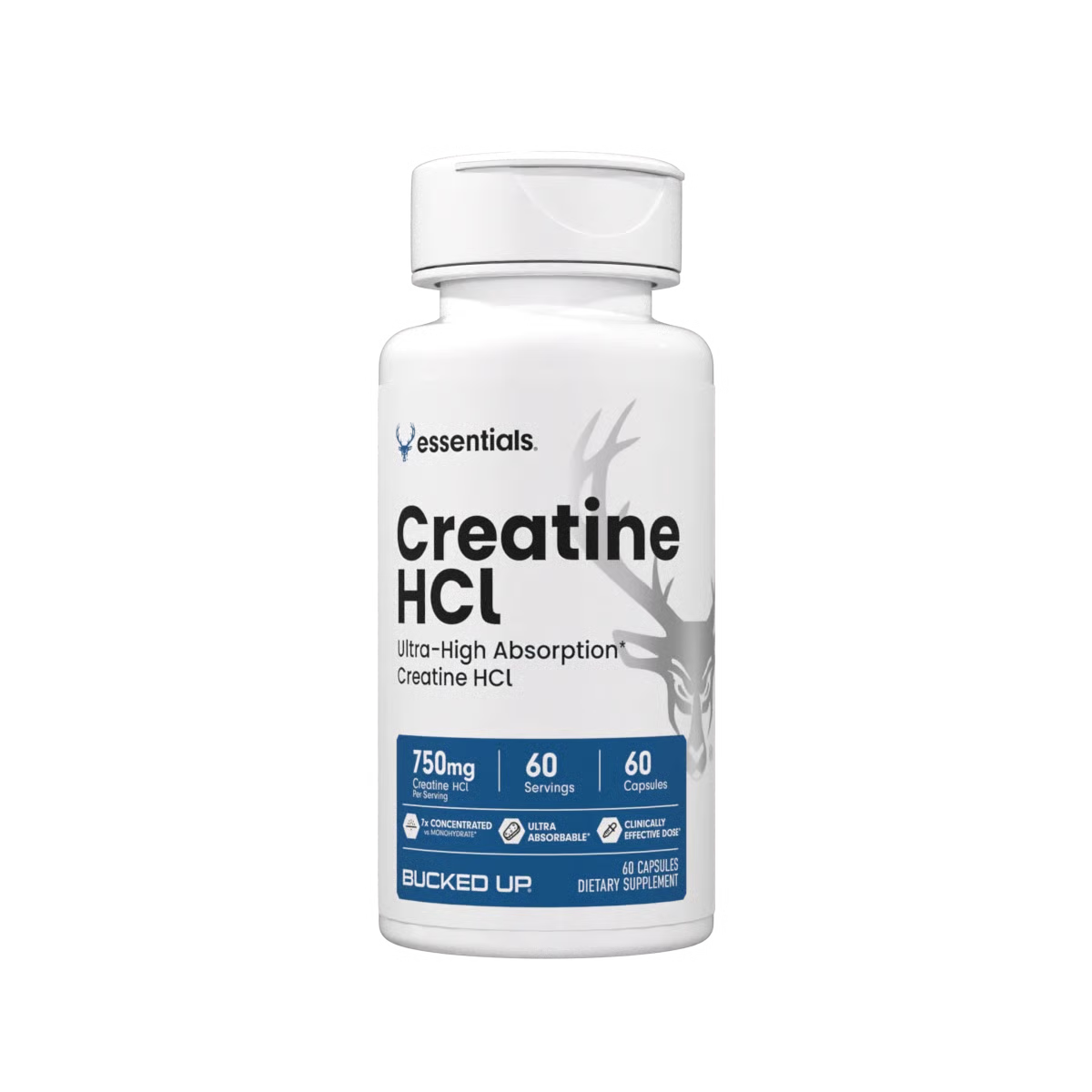
Bucked Up Babe Creatine contains 750mg CON-CRĒT HCl per capsule in a vegetarian-friendly format. When comparing products, review customer feedback on strength gains, recovery, and reports of minimal bloating.1
With these benefits and criteria in mind, the products below highlight leading creatine capsule options for women athletes in 2026, based on formulation type, certification, and user experience.
Top Creatine Capsule Options for US Women Athletes in 2026
1. Bucked Up Babe Creatine HCl Capsules
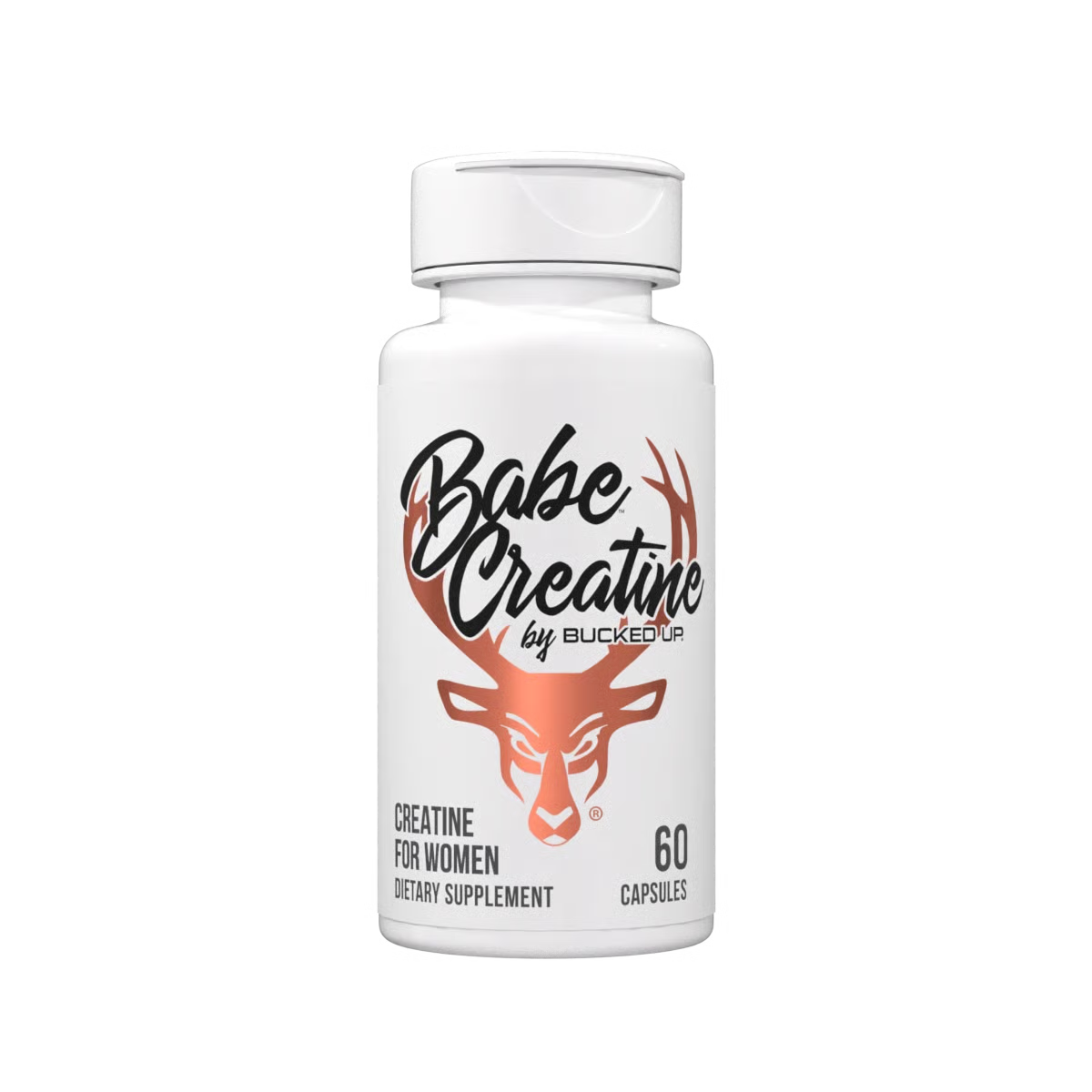
Formulated with women in mind, this product features 750mg CON-CRĒT HCl per capsule and NSF Sport certification. The vegetarian capsules support high absorption with a low likelihood of bloating, which can help lean muscle development and hydration while supporting physique goals.1 Customer reviews often mention strength gains and improved recovery without puffiness.1
2. Transparent Labs Creatine HMB
This option combines 5g monohydrate per serving with HMB for additional recovery support.1 It may require more capsules per day to reach the full serving. The product carries Informed Sport certification for banned substance testing.
3. Klean Athlete Creatine
This powder provides 5g monohydrate per scoop and is NSF Certified for Sport. It targets professional and serious athletes. The monohydrate format typically calls for higher daily amounts than HCl formulations.
4. Thorne Creatine
Thorne Creatine contains 5g of monohydrate per serving in powder form and holds NSF Sport certification with extensive quality testing. The monohydrate form has a long-established safety and efficacy record.
5. Optimum Nutrition Creatine Capsules
These capsules provide a widely available creatine monohydrate option for athletes who prefer capsules over powder.
6. Legion Recharge
Legion Recharge offers a post-workout creatine blend in capsule form. It combines creatine with other recovery ingredients, which can increase the cost per serving compared with basic creatine products.
7. MuscleTech Platinum Creatine
This product supplies standard creatine monohydrate capsules with typical purity levels. It can suit athletes who want a budget-conscious option.
8. BSN Creatine DNA
BSN Creatine DNA uses creatine monohydrate capsules and includes ingredients intended to support absorption.
9. Universal Nutrition Creatine
This option offers traditional creatine monohydrate in capsule format for athletes who prefer a familiar brand.
10. NOW Sports Creatine Monohydrate
NOW Sports provides basic, affordable creatine capsules for straightforward supplementation.
The comparison table below highlights four popular options and shows how they differ in dosage form, certification, and estimated bloating risk based on formulation type.
| Product | Dosage/Form | Certifications | Bloat Risk |
|---|---|---|---|
| Bucked Up Babe | 750mg HCl/capsule | NSF Sport | Low |
| Transparent Labs | 5g Monohydrate/serving | Informed Sport | Medium |
| Klean Athlete | 5g Monohydrate/scoop (powder) | NSF Sport | Medium |
| Thorne | 5g per serving (powder) | NSF Sport | Medium |
Ready to focus on strength and bloat-conscious performance? Explore Bucked Up Babe Creatine HCl and see how a capsule format can fit your training routine.
Head-to-Head: Creatine HCl vs Monohydrate for Women
The choice between creatine HCl and monohydrate can shape comfort, dosing, and routine for women athletes. Creatine HCl shows much higher water solubility than monohydrate, which supports quicker absorption and can ease digestion.1
Key differences include:
- Absorption: HCl offers 41-fold greater water solubility and superior intestinal permeability, which supports efficient uptake.1
- Bloating: HCl does not require a loading phase and can lower bloating risk, which many women value during training and competition.1
- Dosing: HCl often works at 1–2g per day, while monohydrate typically uses 3–5g per day for similar effects.1
- Evidence: Monohydrate carries decades of research, while HCl currently has fewer long-term studies, though early data appear promising.
A 2024 study found both forms delivered comparable strength and muscle growth benefits.1 The superior solubility mentioned earlier can translate into faster absorption and less stomach discomfort, which many women appreciate when they want to avoid bloating during key training blocks.1
Buying Guide for US Women Athletes Choosing Creatine Capsules
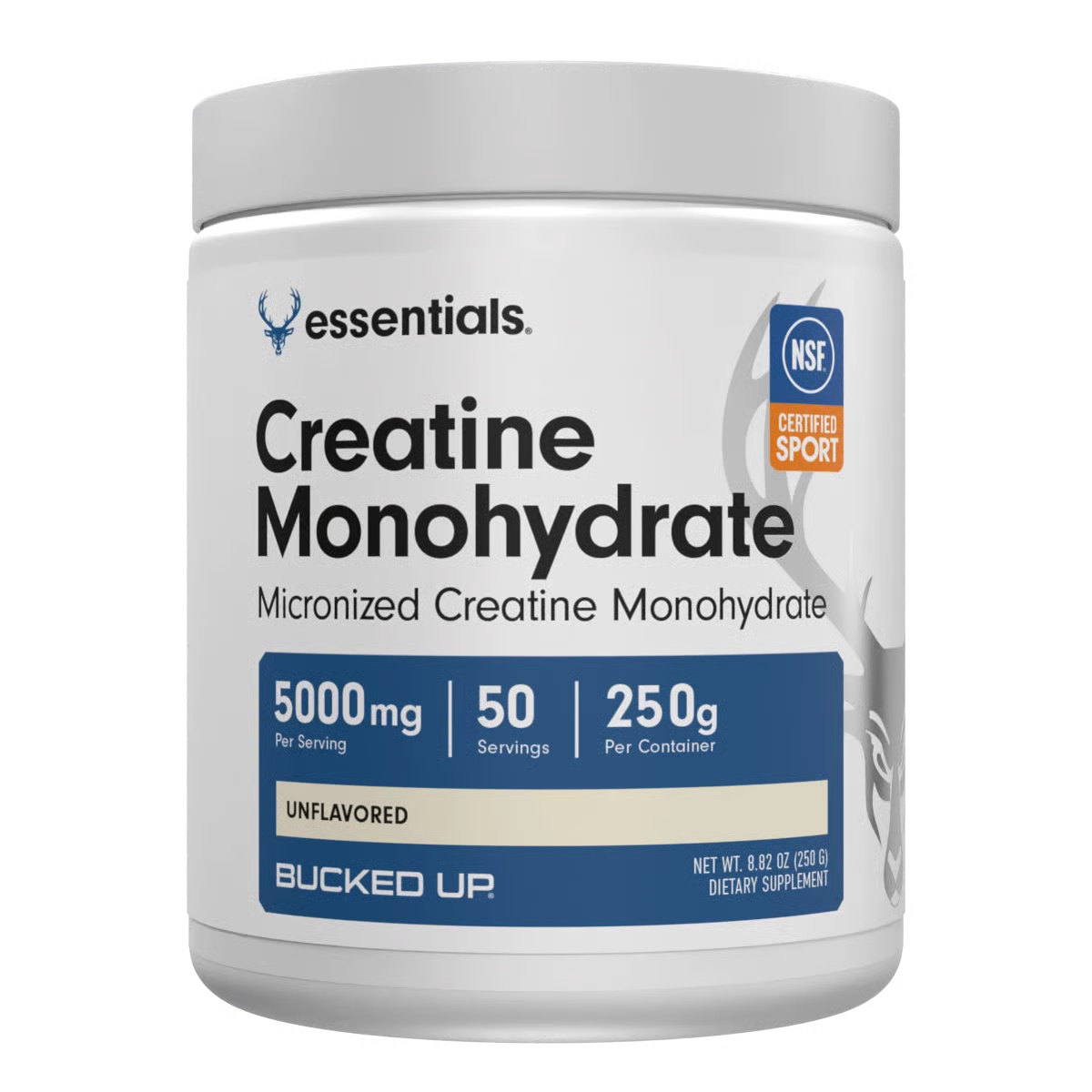
NSF Certified for Sport status should sit at the top of your checklist when you compete under drug-tested organizations. This certification tests for more than 270 banned substances that NCAA, NFL, MLB, and WADA prohibit. It supports compliance and helps reduce the risk of accidental doping violations.
Essential criteria include 99%+ purity verification and third-party contaminant testing, which together help confirm that the product matches the label and avoids harmful impurities. This focus on transparency also explains why many athletes avoid proprietary blends or imported products without clear oversight, since those labels can hide exact amounts and sources. BSCG Certified Drug Free and Informed Sport provide additional assurance for athletes who undergo regular drug testing.
When a product lacks these certifications or lists vague ingredient sources, treat that as a warning sign. Claims that sound extreme or unrealistic also deserve extra scrutiny. Many athletes prefer established brands that publish transparent labels and batch-specific testing results.
Do not compromise your eligibility with uncertain products. Choose creatine that meets the certification and purity standards you rely on for competition.
FAQ
Should female athletes take creatine?
Female athletes can gain meaningful benefits from creatine supplementation. Women often have lower baseline muscle creatine stores than men, so supplementation can support strength, power output, and recovery.1 Research supports safety and efficacy for women across many sports and training phases, including during the menstrual cycle.
Which creatine works well for female athletes?
Creatine HCl capsules combine convenience, strong absorption, and a lower likelihood of bloating for many women.1 Bucked Up Babe Creatine HCl offers a women-focused formula with NSF Sport certification and delivers 750mg per capsule. This format avoids mixing and can reduce the gastrointestinal issues some athletes experience with powders.1
What is the difference between creatine capsules and powder for women?
Capsules provide grab-and-go convenience and portability while removing the need for mixing. They also allow precise dosing and avoid the chalky taste or gritty texture that some powders have. For busy women, capsules can fit smoothly into daily routines without extra preparation or equipment.
Should women take creatine on rest days?
Women benefit from taking creatine consistently, including on rest days, to keep muscle creatine levels saturated. This steady intake supports better performance in future training sessions and ongoing recovery.1 Skipping rest days can gradually lower muscle creatine levels and reduce the overall effect.
How much water should women drink with creatine?
Many women do well with 80–100 ounces of water per day while using creatine, with about 8–12 ounces around the time they take capsules. Adequate hydration supports cellular function, helps manage potential side effects, and can enhance creatine’s performance benefits.1
Conclusion: Creatine Capsules for Women Focused on Performance
Creatine capsules for women athletes in the US can bring together strong absorption, daily convenience, and trusted safety certifications. Bucked Up Babe Creatine HCl can stand out through its women-focused formulation, NSF Sport certification, and reports of strength support with minimal bloating.1 The 750mg CON-CRĒT HCl per capsule offers a practical dose in a format that fits packed training and life schedules.
For competitive women who care about performance, recovery, and drug-testing compliance, certified creatine HCl capsules present a focused approach to supplementation in 2026. The mix of high solubility, fewer reported side effects, and established creatine efficacy makes this category a compelling option for serious athletes.1
1 The content provided in this article is for informational purposes only and is not medical advice. Consult with a medical professional before implementing any changes to your diet, health, or exercise routines.
Individual results will vary and are based on a combination of each individual’s diet, exercise, age, and health circumstances.
These statements have not been evaluated by the Food and Drug Administration. This product is not intended to diagnose, treat, cure or prevent any disease.
This article was written by Ryan Gardner, CEO of Bucked Up. As the maker of Bucked Up Creatine, we have a financial interest in this information. The views expressed are our own and should be read with that context in mind