Written by: Ryan Gardner, Owner, Managing Partner, CEO, Bucked Up | Last updated: April 17, 2026
Key Takeaways
- Most strength athletes do well with 3-5g creatine daily (3-5 Bucked Up gummies), with 5-7g often better for those over 250lbs.
- Use a bodyweight-based calculation of 0.03g per 2.2lbs, take creatine at a consistent time, and pair it with 80-100oz of water.
- Creatine gummies can match powder for strength, recovery, and ATP support while adding precise 1g dosing and easy portability.1
- What feels like “bloating” usually reflects intracellular water in the muscles; hydration, food timing, and smart dosing help keep you comfortable.
- Track strength, reps, and recovery over 4-8 weeks, and choose Bucked Up creatine products for NSF-certified, pure monohydrate support.1
Dialing In Your Creatine Gummies Dose: 5-Step Protocol
Precise creatine dosing for strength athletes works best when it follows bodyweight-based calculations instead of one-size-fits-all advice. The bodyweight-based maintenance dose calculation for creatine monohydrate is 0.03 grams per kilogram of body weight per day, which translates to approximately 0.03g per 2.2lbs of bodyweight.
Step 1: Calculate Your Bodyweight-Based Dose
The table below shows how this formula turns into practical gummy dosing across common strength athlete bodyweights, with most ranges landing in a similar 3-5g daily window.
| Bodyweight (lbs) | Daily Dosage (g) | Bucked Up Gummies (1g each) |
|---|---|---|
| 150-180 | 3-5g | 3-5 gummies |
| 180-220 | 3-5g | 3-5 gummies |
| 220-250 | 3-5g | 3-5 gummies |
| 250+ | 5-7g | 5-7 gummies |
Athletes with larger body mass or very high training intensity such as strength athletes may require 5-10 grams per day.
Step 2: Time Your Intake
Take your calculated gummy dose post-workout or at any consistent daily time. Creatine supplementation timing is unimportant since it requires weeks of daily dosing to saturate muscle cells.
Step 3: Maintain Hydration
Drink 80-100oz of water per day, and add extra around training sessions. This supports creatine uptake and helps reduce the chance of digestive discomfort.1
Step 4: Continue on Rest Days
A consistent daily maintenance dose of creatine monohydrate achieves full muscle saturation in approximately 3-4 weeks without a loading phase. Staying consistent from day to day keeps muscle creatine stores elevated.1
Step 5: Track Performance Metrics
Track strength progression, rep capacity, and recovery between sessions over 4-8 weeks to see how your creatine protocol performs.1
Creatine Gummies vs. Powder for Strength Athletes
Creatine gummies can match powder effectiveness for strength athletes when dosing stays consistent.1 Both creatine powder and gummies ensure creatine reaches the muscles effectively and maintain consistent creatine levels when used regularly, supporting equivalent benefits for strength output, athletic performance, high-intensity training, muscle recovery, and muscle mass.1
Minor differences in absorption speed between creatine powders and gummies do not significantly alter long-term benefits for athletic performance when supplementation is consistent.1 The core creatine monohydrate compound stays the same across formats.
Gummies add several practical advantages for competitive athletes. Precise 1g dosing removes measurement errors, portable packs remove the need for shakers, and flavored options like Bucked Up’s Raspberry Blitz can make daily use easier to stick with. The chewable format boosts convenience and adherence, which supports consistent intake.
Manufacturing quality plays a major role in gummy effectiveness.1 Standard gummy manufacturing uses high temperatures while creatine monohydrate can begin breaking down at elevated temperatures. Bucked Up’s processing focuses on preserving creatine integrity and potency.1
Timing flexibility stays similar across both formats. Gummies and powder can be taken around workouts or at any convenient daily time, since muscle saturation depends on regular intake over weeks rather than exact timing around a single session.
Common Creatine Gummy Mistakes and How To Handle Bloating
Strength athletes often under-dose creatine gummies by following generic serving sizes instead of bodyweight-based plans, which can limit muscle saturation and stall progress.1 Low daily water intake can make this worse and may contribute to cramping during intense training.
Bloating concerns are often overstated. A 2025 meta-analysis of numerous clinical trials found gastrointestinal issues occurred at similar rates for creatine users and placebo users. True digestive discomfort usually comes from very large single doses rather than from a steady, moderate gummy routine.
What many athletes label as bloating often reflects a different process. Creatine supplementation rarely causes true stomach bloating; instead, it draws water into muscle cells causing intracellular water retention, leading to fuller muscles and 1-3 pounds of temporary weight gain that is not fat.1 This pattern signals successful muscle saturation rather than a harmful side effect.
Evidence-based mitigation strategies work best as a combined approach. Start with 3g daily (3 gummies) for the first week so your digestive system can adapt, then move toward your calculated maintenance dose. Pair your gummies with meals, especially those containing carbohydrates and protein, to support absorption and comfort. Taking creatine with food, especially meals with carbohydrates and protein, minimizes GI discomfort.1 Support both steps with consistent hydration of 80-100oz per day.
Bucked Up’s micronized creatine monohydrate in gummy form can be easier on digestion than some lower-quality powders.1 The precise 1g dosing also helps you avoid accidental overconsumption, which can trigger short-term GI distress in sensitive athletes.
Safety, Progress Tracking, and Advanced Strategies
A standard maintenance dose of creatine monohydrate daily is safe for long-term use in healthy adults and athletes. Scientific studies support the safety of creatine supplementation at standard doses over long periods.
Pregnant individuals, those under 18, or anyone with kidney concerns should talk with a healthcare provider before starting creatine. The International Society of Sports Nutrition states there is no scientific evidence that short- or long-term use of creatine monohydrate has any detrimental effects on otherwise healthy individuals.
Useful success metrics for strength athletes include 5-15% strength gains within 4-8 weeks, less muscle soreness between sessions, and improved rep capacity during heavy sets.1 Research shows creatine supplementation speeds up strength restoration, reduces muscle damage markers like creatine kinase, supports faster recovery, less soreness, and more consistent training.1
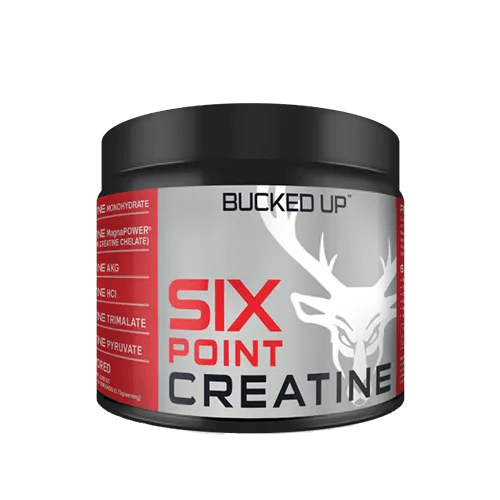
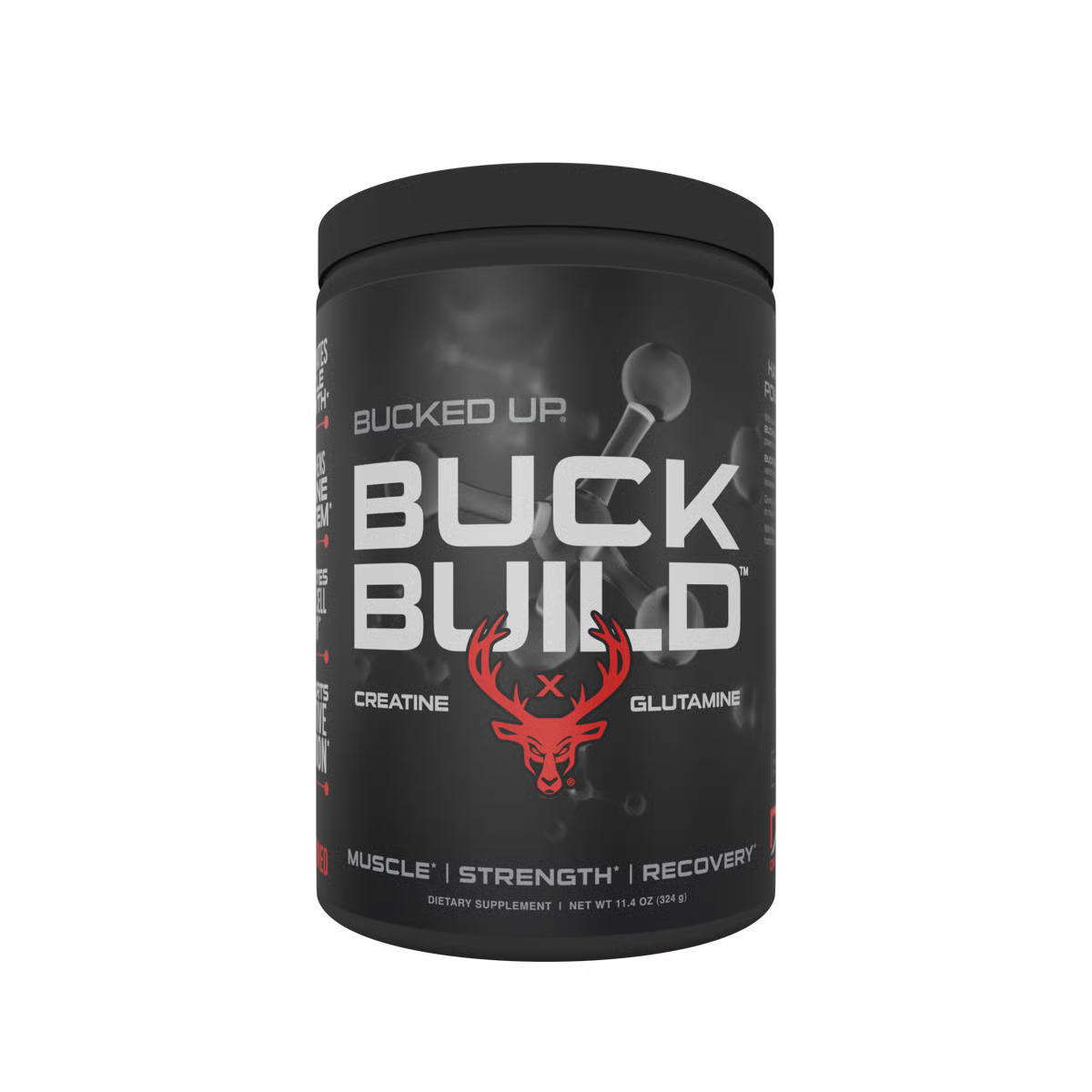
Advanced strategies for competitive athletes can include stacking creatine gummies with Bucked Up’s Six Point Creatine for varied absorption profiles, or pairing with Buck Build for broader recovery support.1 Athletes over 250lbs may respond better to 6-7 gummies daily (6-7g) to match their higher muscle mass.1
Loading phases stay optional. Both loading followed by maintenance and straight low-dose daily supplementation are equally effective for long-term muscle saturation and strength benefits.1 The gummy format makes steady daily dosing straightforward, which can reduce the need for complex loading schedules.
How Many Creatine Gummies To Take a Day: FAQ
How many creatine gummies should I take daily?
Most strength athletes do well with 3-5 Bucked Up Creatine Gummies per day, with each gummy providing 1g of creatine monohydrate. Larger athletes may benefit from 5-7 gummies daily, based on individual response and training demands.1
Are creatine gummies as effective as powder for strength athletes?
Creatine gummies deliver the same creatine monohydrate found in powders, with comparable bioavailability and muscle saturation effects.1 The main difference lies in convenience and precision, since each Bucked Up gummy contains exactly 1g and removes the guesswork that can come with scoops.
What are the side effects of creatine gummies?
Side effects stay uncommon when you follow a sensible dosing plan. Some athletes notice 1-3 pounds of intracellular water retention, which reflects muscle saturation rather than true bloating. Mild digestive discomfort affects a small percentage of users and usually improves with steady hydration and taking gummies with food.1
Should I take creatine gummies on rest days?
Daily consistency keeps muscle creatine saturation stable.1 Take your usual dose every day, including rest days, so your next training session benefits from elevated creatine stores.
How do I calculate creatine gummy dosage based on my bodyweight?
Use approximately 0.03g per 2.2lbs of bodyweight as your starting calculation. This approach yields 3-5 gummies daily for many athletes, with those carrying more muscle often needing a higher count.
Why Bucked Up Creatine Gummies Work Well for Strength Athletes
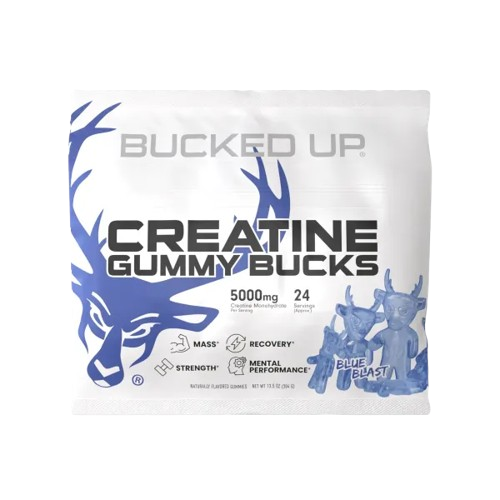
Bucked Up’s Creatine Gummies provide 99.8% pure, micronized creatine monohydrate, with GMP certifications supporting manufacturing quality and purity standards. The precise 1g-per-gummy dose removes guesswork, and flavors like Tropic Thunder and Melon Madness can make daily use more enjoyable than unflavored options.
Careful manufacturing processes help preserve creatine integrity and avoid the degradation that can occur with standard high-heat gummy production. This approach supports delivery of the full 1g creatine content in each gummy.1
The portable, no-mix format fits demanding training and travel schedules, allowing consistent supplementation without shakers or scales. When combined with Bucked Up’s broader creatine lineup, including Six Point Creatine and Buck Build, athletes can tailor their creatine strategy to specific strength, power, or recovery goals.1
1 The content provided in this article is for informational purposes only and is not medical advice. Consult with a medical professional before implementing any changes to your diet, health, or exercise routines.
Individual results will vary and are based on a combination of each individual’s diet, exercise, age, and health circumstances.
These statements have not been evaluated by the Food and Drug Administration. This product is not intended to diagnose, treat, cure or prevent any disease.
This article was written by Ryan Gardner, CEO of Bucked Up. As the maker of Bucked Up Creatine, we have a financial interest in this information. The views expressed are our own and should be read with that context in mind