
Written by: Ryan Gardner, Owner, Managing Partner, CEO, Bucked Up | Last updated: April 22, 2026
Key Takeaways
- Muscular endurance lets you repeat contractions without quickly fatiguing, using oxidative fibers and lactic acid buffering for 60+ minute workouts.
- High-rep training (12-20 reps), circuit workouts, and the 80/20 rule can build noticeable endurance in as little as 2-4 weeks.
- Progressive overload, smart cardio, solid nutrition, hydration, and recovery habits like 7+ hours of sleep help prevent plateaus and overtraining.
- Supplements such as beta-alanine (2g+), citrulline malate (6g), and caffeine can improve buffering and performance, according to research.1
- A structured 4-week plan paired with Bucked Up pre-workout can support longer, more productive training sessions.1 Explore Bucked Up pre-workout to support longer workouts.
How Muscular Endurance Extends Your Workouts
Muscular endurance differs from cardiovascular endurance and raw strength. It describes your muscles’ capacity to keep producing force against resistance without a major drop in strength. This capacity depends on oxidative muscle fibers and your lactic threshold, which is the point where acid buildup overwhelms your body’s buffering systems.
Beta-alanine, as a precursor to carnosine, buffers hydrogen ion accumulation in muscles during high-intensity exercise, delaying the burning sensation and fatigue associated with lactic acid buildup. In the gym, this means you can perform more reps at your target weight before your form breaks down. You also maintain intensity through longer sessions and accumulate the training volume needed for both muscle growth and endurance gains.1
How to Quickly Increase Muscular Endurance
Quick endurance gains come from training your energy systems and improving acid-buffering capacity. High-repetition sets and targeted supplementation can create noticeable changes within 2-4 weeks. Below are seven evidence-based strategies that work together to expand your workout capacity.
7 Science-Backed Ways to Increase Muscular Endurance for Longer Workouts
1. High-Repetition Training (12-20 reps)
Perform 12-20 repetitions with 30-60 second rest periods. This rep range challenges your oxidative energy systems while still using enough load to drive adaptation. Aim for 60-70% of your 1RM to create a strong endurance stimulus.
2. Circuit Training Workouts
Full-body circuits with minimal rest between exercises challenge your entire muscular system. Combine upper body, lower body, and core movements in sequence to increase metabolic stress and build endurance. Keep transitions tight so your heart rate stays elevated without sacrificing form.
3. Progressive Overload for Endurance
The 2-for-2 Rule for progressive overload progression: increase the weight when an athlete performs two more repetitions than the target rep goal on the final set of an exercise for two consecutive workouts. However, when you train specifically for endurance instead of pure strength, prioritize adding repetitions or sets before increasing weight. Higher volume at moderate loads targets oxidative energy systems more effectively than frequent jumps in load.
4. The 80/20 Training Rule
Dedicate 80% of your training volume to moderate intensity that feels challenging but sustainable and 20% to high intensity. This structure supports aerobic development while reducing the risk of overreaching. Over time, it helps you maintain consistent progress in endurance without burning out.
5. Cardio Integration
Add short HIIT finishers or steady-state cardio blocks around your strength work. You can place low-intensity cardio between strength sets or finish with intervals. This approach trains your cardiovascular system to deliver oxygen and clear metabolic waste more efficiently during resistance training.
6. Strategic Nutrition and Hydration
Eat enough carbohydrates to keep glycogen stores ready for higher-volume sessions. Pair this with adequate electrolytes to support muscle function and fluid balance. Consistent hydration improves nutrient delivery and waste removal during long workouts.
7. Prioritize Recovery
Athletes require at least 7 hours of quality, uninterrupted sleep nightly to facilitate growth hormone and testosterone release during deep slow-wave sleep, critical for muscle repair and recovery. Active recovery days and basic stress management help your body adapt between hard sessions. Plan rest with the same intention you bring to your training.
| Exercise Type | Repetitions | Rest Period | Intensity |
|---|---|---|---|
| Compound Movements | 12-15 | 45-60 seconds | 65-70% 1RM |
| Isolation Exercises | 15-20 | 30-45 seconds | 60-65% 1RM |
| Circuit Training | 10-15 | 15-30 seconds | 70-75% 1RM |
How the 80/20 Rule Supports Endurance
The 80/20 rule allocates 80% of training volume to low-to-moderate intensity and 20% to high intensity. This balance maximizes aerobic adaptations while limiting excessive fatigue. As a result, you can progress endurance capacity consistently without constantly flirting with overtraining.
Sample Muscular Endurance Circuit
Effective endurance circuits combine multi-joint movements with short rest periods. A sample lower body circuit includes goblet squats (15 reps), walking lunges (12 per leg), Romanian deadlifts (15 reps), and calf raises (20 reps). Complete 3-4 rounds with 60-90 seconds between rounds to build both strength and staying power.
The Role of Supplements in Building Muscular Endurance
Strategic supplementation can noticeably enhance the results of your endurance training. Bucked Up pre-workouts use transparent labels and specific ingredient doses that support sustained performance.
Bucked Up Pre-Workout contains 200mg caffeine and 2,000mg beta-alanine per serving. Beta-alanine at a minimum dose of 1,000 mg increases power, making the 2,000 mg dose in Bucked Up Pre-Workout effectively dosed.1 The product also includes 6,000mg of L-citrulline malate, which supports sustained performance during longer sessions.1

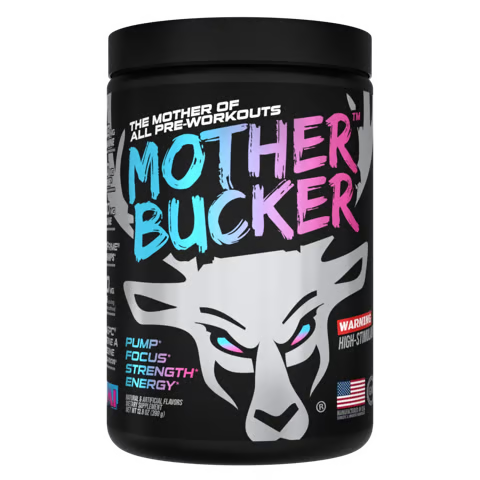
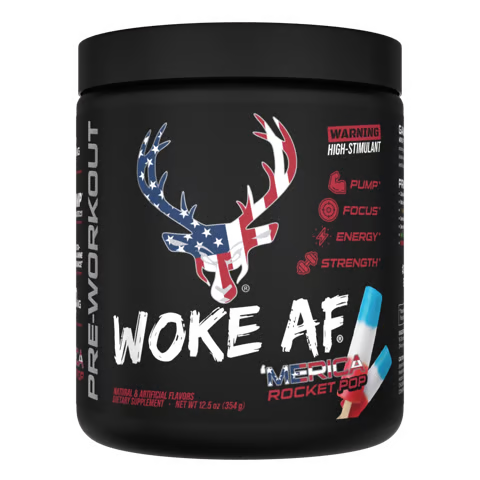
Woke AF provides 333mg caffeine with the same endurance-supporting ingredients, which can suit lifters with higher stimulant tolerance.1 Mother Bucker focuses more heavily on buffering and pumps, with 6,400mg beta-alanine, plus 4,000mg L-citrulline and Nitrosigine for robust endurance support.1
Product tester Matt Donnelly stated: “The product helped boost my energy for my workout, specifically in terms of endurance. I was able to push through the last part of my workout with more ease when I would generally start to feel winded.”1
Caffeine-sensitive individuals can use Bucked Up Non-Stimulant Pre-Workout, which provides the same endurance-supporting ingredients without stimulants. Shop Bucked Up pre-workout for clinically-dosed beta-alanine and citrulline.
| Ingredient | Dose (Bucked Up) | Endurance Benefit | Research Support |
|---|---|---|---|
| Beta-Alanine | 2,000mg | Lactic acid buffering | 24% increase in cycling time-to-exhaustion1 |
| Citrulline Malate | 6,000mg | Sustained performance | 52% increase in bench press repetitions to failure1 |
| Caffeine | 200mg | Reduced fatigue | Effect sizes ranging from 0.16 to 0.51 for endurance performance1 |
Balancing Endurance and Strength Training
Maintain strength while building endurance by scheduling strength-focused sessions 2-3 times per week alongside endurance work. Use simple periodization so some phases emphasize strength and others emphasize endurance. This approach helps reduce interference between adaptations and keeps both qualities moving forward.
4-Week Progressive Plan to Build Endurance for Longer Workouts
This 4-week structure gradually increases training volume and intensity while still allowing recovery. Progressive overload in resistance training can be applied by increasing weight, sets, reps, or training frequency.
| Week | Training Focus | Frequency | Supplementation |
|---|---|---|---|
| 1-2 | Base circuits, 12-15 reps | 3x per week | Bucked Up 20-30 min pre-workout |
| 3-4 | Increased volume, 15-20 reps | 4x per week | Woke AF for higher intensity days |
Week 1-2 Sample Lower Body Circuit: Bodyweight squats (12 reps), reverse lunges (10 per leg), glute bridges (15 reps), wall sit (30 seconds). Complete 3 rounds with 90 seconds rest between rounds.
Week 3-4 Progression: Add weight to movements, increase repetitions by 2-3 per exercise, or reduce rest periods by 15 seconds. Take Bucked Up 20-30 minutes before training to support ingredient absorption and performance.1
Get Bucked Up to support your progressive endurance plan.
Signs of Overtraining
A consistent increase of 5-10 beats per minute (bpm) in morning resting heart rate (RHR) serves as a key sign of overtraining, observed in 30-60% of affected athletes alongside muscle weakness and frequent illness. Other indicators include persistent fatigue, declining performance, and mood changes. Schedule deload weeks every 4-8 weeks to reduce stress and prevent overreaching.
Frequently Asked Questions
How Quickly Can I Increase Muscular Endurance?
Most individuals see noticeable improvements in muscular endurance within 2-4 weeks of consistent training. Early gains come from neuromuscular changes and better buffering capacity. Larger physiological shifts, such as increased mitochondrial density and capillarization, usually appear after 6-8 weeks of progressive training.
What Are the Best Muscular Endurance Exercises?
Compound movements performed for higher repetitions or in circuits work well for muscular endurance. Squats, deadlifts, push-ups, pull-ups, and rowing variations recruit multiple muscle groups at once. Bodyweight work and resistance training at 60-70% of your 1RM for 12-20 repetitions create a strong endurance stimulus.
What Caffeine-Sensitive Options Are Available?
Bucked Up Non-Stimulant Pre-Workout provides endurance-supporting ingredients without caffeine. It includes beta-alanine for lactic acid buffering, citrulline malate for performance, and Alpha-GPC for focus.1 This option suits caffeine-sensitive lifters or anyone training later in the day who wants to avoid sleep disruption.

What is the 80/20 Rule for Endurance Training?
The 80/20 rule, explained earlier, applies to resistance training by keeping most sessions challenging but sustainable, with occasional high-intensity circuits or heavy days. This balance helps prevent the interference effect, where too much high-intensity work can blunt both strength and endurance gains. It also supports steady progress without chronic fatigue.
How Do I Know If I’m Overtraining?
Beyond the elevated resting heart rate and performance decline mentioned earlier, watch for persistent muscle soreness lasting beyond 48 hours, sleep disturbances, frequent illness, and loss of motivation. If you notice several of these signs at once, reduce training volume by 30-50% for one week. During that time, prioritize at least 8 hours of sleep, consistent nutrition, and basic stress management.
Conclusion
Building muscular endurance for longer workouts works best with a clear plan that combines high-repetition training, progressive overload, recovery, and smart supplementation. These seven science-backed strategies, applied consistently, can extend your training capacity and help you move past plateaus. Bucked Up pre-workouts offer transparent, specific doses of ingredients that support endurance, including beta-alanine for lactic acid buffering and L-citrulline for sustained performance.1 Start your endurance-focused training block with Bucked Up pre-workout.
1 The content provided in this article is for informational purposes only and is not medical advice. Consult with a medical professional before implementing any changes to your diet, health, or exercise routines.
Individual results will vary and are based on a combination of each individual’s diet, exercise, age, and health circumstances.
These statements have not been evaluated by the Food and Drug Administration. This product is not intended to diagnose, treat, cure or prevent any disease.
This article was written by Ryan Gardner, CEO of Bucked Up. As the maker of Bucked Up pre-workout, we have a financial interest in this information. The views expressed are our own and should be read with that context in mind.