Written by: Ryan Gardner, Owner, Managing Partner, CEO, Bucked Up | Last updated: April 17, 2026
Key Takeaways
- NSF Certified creatine helps protect athletes’ health and eligibility by confirming purity, label accuracy, and screening for over 280 banned substances and contaminants.1
- Choose pure micronized creatine monohydrate (99%+ purity) without fillers, and verify the NSF logo and batch listing on nsfsport.com for added quality assurance.
- Use body weight-based dosing with a 3-5 gram daily maintenance range or an optional 20-25 gram loading phase split into smaller servings for 5-7 days, supported by consistent hydration of 80-100 ounces of water.
- Powders, gummies, and capsules each fit different routines, so pick the form you will take every day; current 2025 research reports no kidney harm in healthy adults using recommended doses.1
- Bucked Up’s NSF-certified creatine line can support strength, recovery, and cognitive performance gains—shop Bucked Up creatine now to find a product that fits your goals.1
Why NSF Certified Creatine Monohydrate Deserves Your Attention
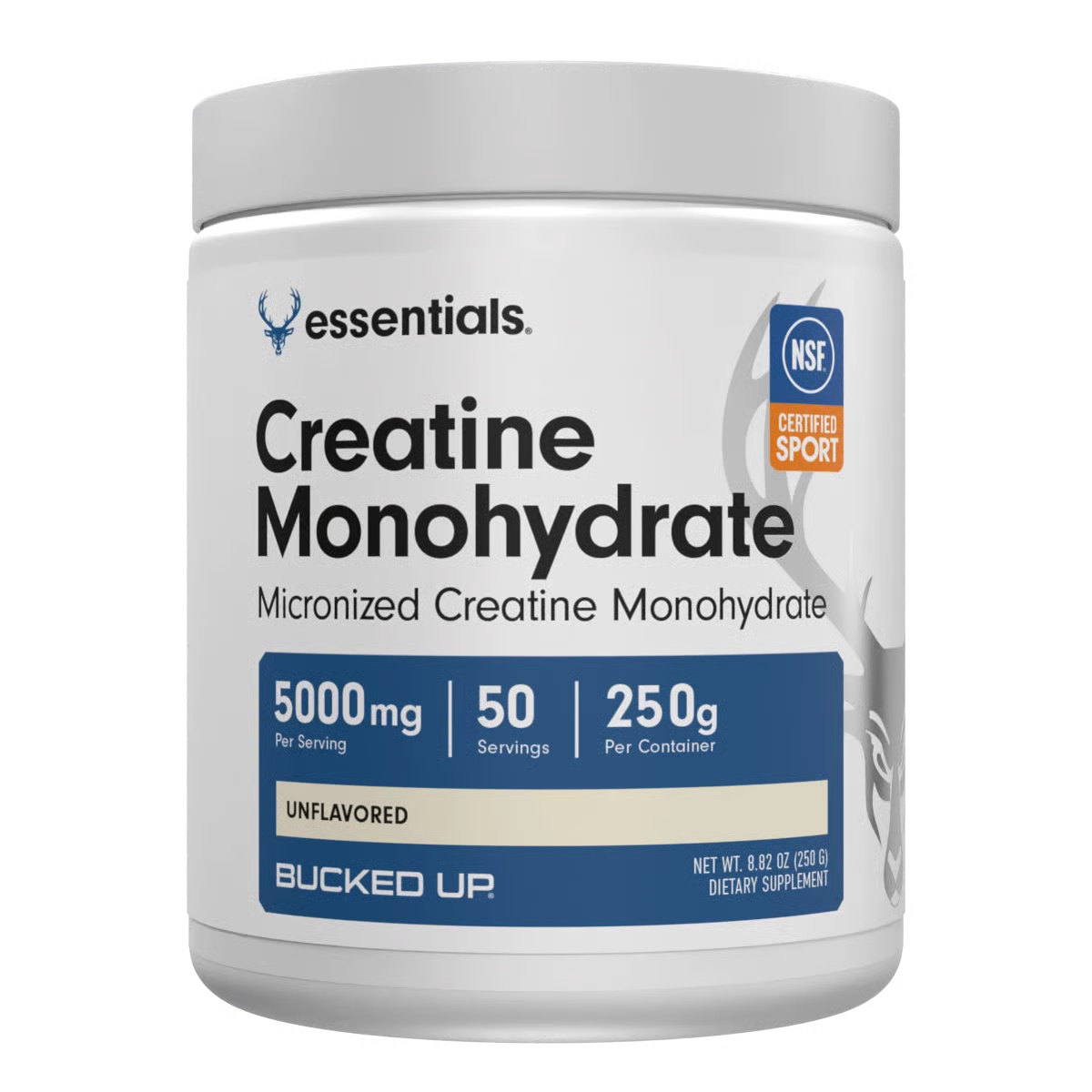
Creatine monohydrate is a naturally occurring compound that supports ATP regeneration in muscle cells, which helps strength, power output, recovery, and cognitive performance.1 NSF certification adds independent verification of purity, absence of banned substances, and adherence to Good Manufacturing Practices (GMP). This extra layer of testing gives athletes and health-conscious users confidence that their creatine meets strict safety and quality standards.
Bucked Up’s NSF-certified Pure Creatine Monohydrate provides 5 grams of micronized creatine per serving in both flavored and unflavored options. The micronization process breaks creatine into finer particles, which improves solubility and mixability while maintaining a 99.8% purity standard that separates high-quality supplements from many generic alternatives.1
Ready to experience the purity difference? Explore Bucked Up’s NSF-certified creatine lineup.
How to Choose Pure NSF Certified Creatine Monohydrate
Use these steps to narrow in on a high-quality creatine monohydrate that fits your routine.
1. Verify NSF certification by checking for the NSF logo on the packaging and confirming the product listing on nsfsport.com. This quick check connects your purchase to the certification process described earlier.
2. Confirm that the ingredient list specifies “pure creatine monohydrate” with 99%+ purity and micronized particles. Skip products that include unnecessary fillers or proprietary blends that hide the actual creatine amount.
3. Review batch testing transparency and third-party verification. Quality brands share certificates of analysis and follow consistent testing protocols across lots.
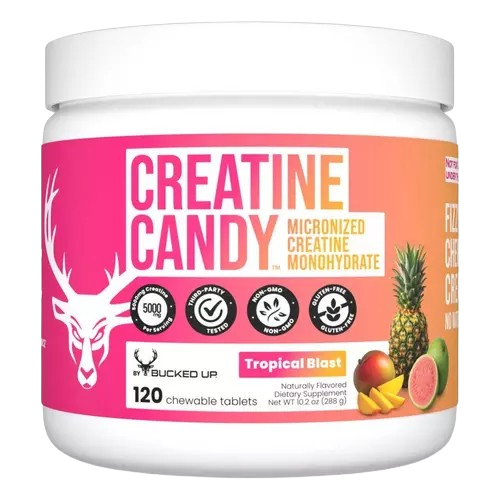
4. Assess available forms based on your preferences. Powders mix easily with water or shakes, while gummies and candy-style products offer convenient, portable options that do not require scoops or shakers.
5. Match dosage recommendations to your body weight and goals using the table below, which shows how heavier athletes often need proportionally higher doses during both loading and maintenance phases to reach full muscle saturation.
| Body Weight | Maintenance Dosage | Loading Dosage (Optional) | Duration |
|---|---|---|---|
| <150 lbs | 3-5g daily | 18-20g daily (split doses) | 5-7 days |
| 150-200 lbs | 5g daily | 22-25g daily (split doses) | 5-7 days |
| >200 lbs | 5-10g daily | 27-30g daily (split doses) | 5-7 days |
Bucked Up Pure Creatine can stand out here by pairing NSF certification with a convenient 5-gram serving size that fits common maintenance ranges.
Find your ideal creatine form and dosage by browsing Bucked Up’s complete creatine range.
Creatine Forms, Loading vs. Maintenance, and Your Daily Routine
Once you confirm NSF certification and purity, the next step is choosing the form and dosing strategy that fits your lifestyle. Creatine monohydrate appears in several convenient formats that all deliver the same core ingredient.
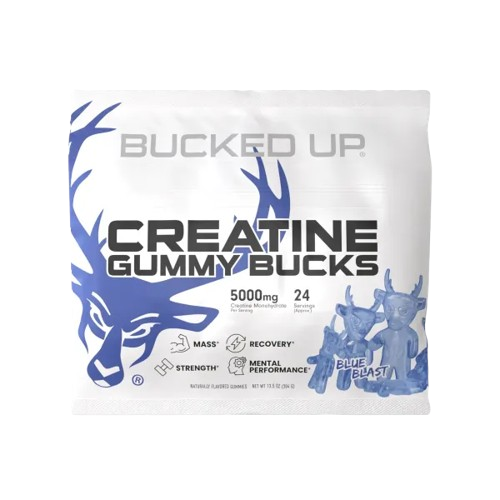
Powders like Bucked Up’s flavored options (Grape Apple, Mango Pineapple, Blue Raspberry, Fruit Punch) mix easily with water or post-workout shakes. Gummies and candy provide portable alternatives that remove the need for mixing and measuring, which can help with consistency when you travel or train on the go.
Standard creatine monohydrate loading protocols recommend 20-25 grams per day, split into four to five doses of approximately 5 grams each, for five to seven days. After this short phase, a maintenance intake in the 3-5 gram range helps sustain elevated muscle creatine levels. Post-workout timing may support uptake, yet taking creatine every day matters more than the exact time of day.1 Maintain adequate hydration with 80-100 ounces of water daily, as creatine pulls water into muscle cells.
| Phase | Daily Dose | Duration | Benefits |
|---|---|---|---|
| Loading | 20-25g (split 4-5 doses) | 5-7 days | Rapid muscle saturation |
| Maintenance | See body weight recommendations above | Ongoing | Sustains creatine levels |
| Gradual (No Loading) | 3-5g | 3-4 weeks to saturation | Reduced bloating risk |
Bucked Up’s gummies and candy formats can work well for athletes who travel often or prefer a simple, grab-and-go option instead of carrying powder and shakers.
Common Creatine Dosage Mistakes and How to Fix Them
A few recurring mistakes can limit the results you see from creatine, even when you choose a quality product.
Selecting unverified brands without NSF certification increases contamination risk and potential exposure to banned substances. Even when you pick a certified product, inadequate hydration during supplementation can still cause bloating and gastrointestinal discomfort, which may discourage consistent use. Beyond hydration, inconsistent dosing prevents optimal muscle saturation, the very outcome that daily use supports.1 Finally, ignoring body weight recommendations can compound these issues by delivering either weaker benefits or unnecessary extra servings.
Practical fixes include verifying NSF certification, increasing water intake to the recommended 80-100 ounces, building a simple daily supplementation habit, and adjusting doses based on body weight and training intensity.
NSF Certified Creatine Safety, Suitability, and Kidney Health
A 2025 meta-analysis by Kabiri Naeini et al. concluded that creatine monohydrate supplementation causes a modest, transient increase in serum creatinine due to metabolic turnover rather than renal impairment, with no significant changes in GFR, indicating preserved kidney function in healthy individuals including athletes.1 This research supports the safety of creatine monohydrate for healthy adults using recommended doses.1
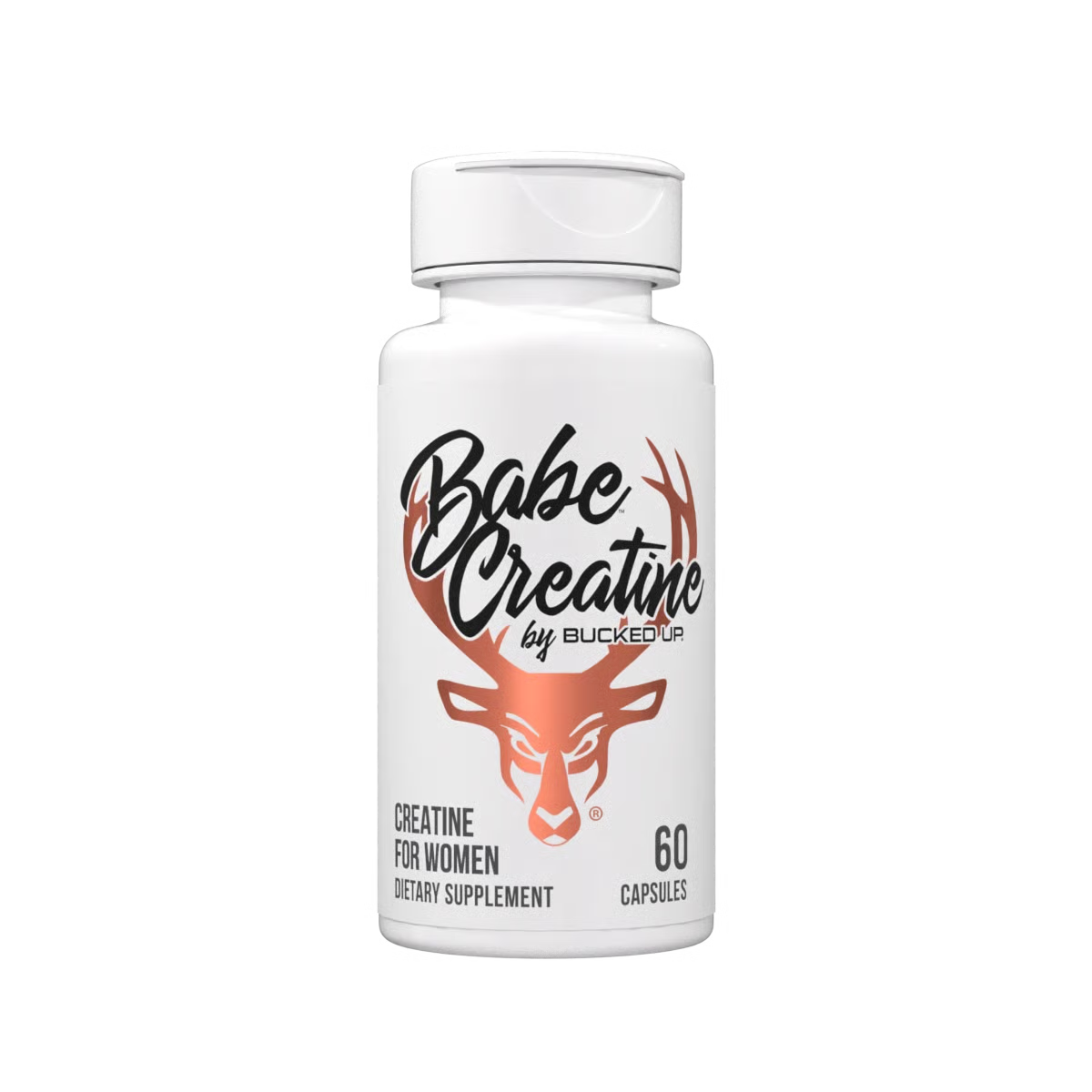
People with pre-existing kidney conditions should speak with a healthcare provider before starting creatine. Bucked Up’s focus on purity through NSF certification helps reduce contamination concerns. The company also offers specialized options such as Babe Creatine for women who want performance benefits while aiming to minimize bloating.
How to Tell Your Pure Creatine Monohydrate Is Working
Effective creatine use often produces noticeable changes within 1-4 weeks. Strength gains show up as higher lifting numbers and extra repetitions during heavy sets. Recovery between sets and training sessions usually improves, which supports more productive workouts over time. Some users also report sharper focus and better mental clarity during demanding tasks.1
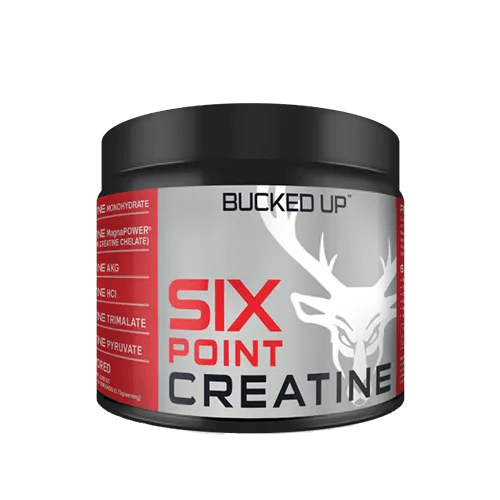
Customer feedback for Bucked Up products reflects these patterns: “After about 2 months I put on about 10lbs after being at the same weight for years” (Six Point Creatine) and “No bloating as long as I keep up with the proper water intake and definitely noticing it provide a better pump and growth” (Babe Creatine).1
Advanced Tips to Personalize Your Creatine Monohydrate Dosage
You can fine-tune creatine use based on your primary goals and training schedule. Strength-focused athletes often take 5 grams post-workout to support training adaptations.1 People who care most about cognitive benefits should focus on taking creatine every day, even on non-training days, to keep levels steady.1 The International Society of Sports Nutrition (ISSN) suggests a precise maintenance dosage calculation of 0.03 grams of creatine monohydrate per kilogram of body weight daily.
Some users explore advanced formulations like Bucked Up Six Point Creatine, which combines six creatine forms for varied absorption profiles. As training demands increase, moving to more comprehensive formulas such as Buck Build, which pairs creatine with glutamine, may support additional recovery needs.
FAQ: Pure NSF Certified Creatine Monohydrate Dosage
How much creatine monohydrate per day?
Most adults use 3-5 grams daily for maintenance, and larger athletes sometimes go up to 10 grams. Sports Nutrition Experts recommend a maintenance dosage of 3-5 grams daily (or 0.03 g/kg body weight) of creatine monohydrate. Bucked Up Pure Creatine provides 5 grams per serving, which fits within these commonly cited ranges.
Is NSF certified creatine safe for kidneys?
Research in healthy people consistently reports no kidney impairment.1 Longobardi et al.’s 2025 mini-review in Frontiers in Nutrition concludes that literature consistently shows no adverse effects on renal function in healthy individuals, including athletes, from creatine monohydrate supplementation at recommended doses.1
Should I take creatine on rest days?
Yes. Taking creatine on rest days helps maintain muscle saturation levels so your stores stay ready for the next training session.
What’s better: powder or gummies?
Both forms deliver creatine effectively. Bucked Up gummies offer portability and remove mixing steps, while powders give you flexibility to combine creatine with other beverages or post-workout shakes.
How much water should I drink with creatine?
Aim for the 80-100 ounce daily water target mentioned earlier when using creatine. This hydration level supports cellular function and can reduce the chance of bloating.
Is a loading phase necessary?
A loading phase is optional. A 5-7 day loading phase with 20-25 grams daily reaches muscle saturation faster than gradual use, which usually takes 3-4 weeks at maintenance doses.
Which creatine is best for women?
Babe Creatine uses creatine HCl in capsule form, designed to help minimize bloating while supporting strength and performance goals that many women prioritize.
Conclusion: Putting Pure NSF Certified Creatine Monohydrate into Practice
Choosing effective creatine monohydrate starts with NSF certification, body weight-based dosing, and a simple daily routine you can follow. Evidence-based guidelines help you see results while reducing the risk of contaminated or mislabeled products. Bucked Up’s NSF-certified creatine options give you a starting point if you want performance and cognitive support from a verified creatine source.1
Start your creatine journey with verified quality. Shop Bucked Up’s NSF-certified products now.
1 The content provided in this article is for informational purposes only and is not medical advice. Consult with a medical professional before implementing any changes to your diet, health, or exercise routines.
Individual results will vary and are based on a combination of each individual’s diet, exercise, age, and health circumstances.
These statements have not been evaluated by the Food and Drug Administration. This product is not intended to diagnose, treat, cure or prevent any disease.
This article was written by Ryan Gardner, CEO of Bucked Up. As the maker of Bucked Up Creatine, we have a financial interest in this information. The views expressed are our own and should be read with that context in mind