Written by: Ryan Gardner, Owner, Managing Partner, CEO, Bucked Up | Last updated: April 17, 2026
Key Takeaways for Smooth, Soluble Creatine
- Micronized creatine monohydrate with particles around 56.3 μm dissolves quickly, which supports consistent dosing and reliable absorption.1
- Products that meet high purity and third-party standards help you avoid impurities, fillers, and contaminants that can interfere with solubility.
- Check labels for the word “micronized,” read reviews that mention smooth mixing, and try a simple home dissolution test with room-temperature water.
- Creatine HCl capsules, gummies, and candy provide convenient no-mix options while still delivering effective daily servings.
- For grit-free mixing, explore Bucked Up’s NSF-certified Pure Creatine and related formats that support easy, consistent use.
Why Soluble Creatine Monohydrate Matters for Everyday Use
Pure creatine monohydrate is the most researched form for supporting ATP regeneration, and a daily 5g serving appears in hundreds of studies.1 The main difference between standard and micronized versions comes from particle size. Micronized creatine monohydrate has particles of 56.3 micrometers, about 1.2 times smaller than the 67.6 micrometers in standard creatine monohydrate. Smaller particles create more surface area, which supports better solubility, smoother dispersion, and faster dissolution.
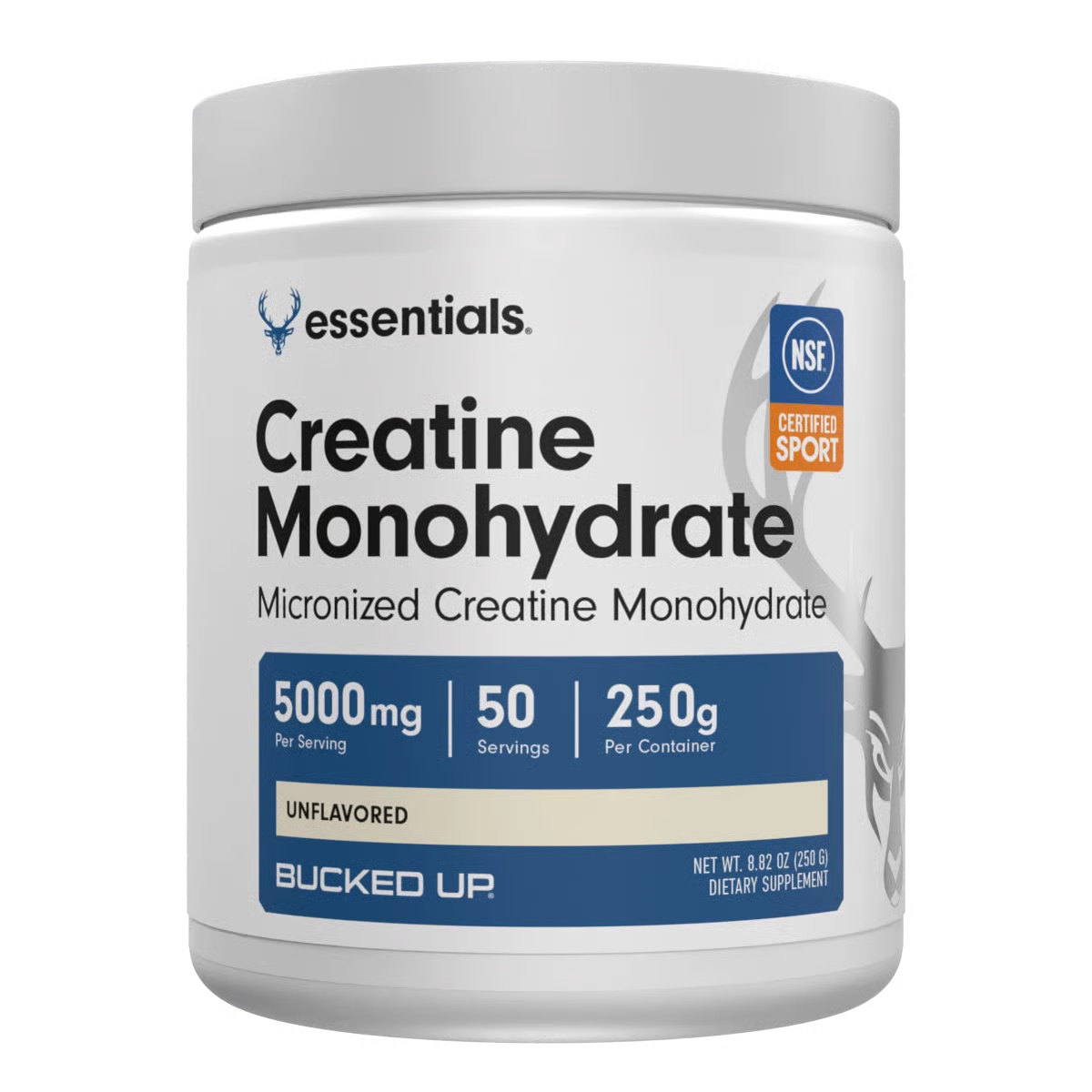
For athletes and health-conscious lifters, this means more consistent dosing and less guesswork from powder left at the bottom of the shaker. Better dissolution also supports hydration, smooth mixing, and can reduce the chance of gastrointestinal discomfort.1 High-quality creatine monohydrate typically has purity (assay) at or above 99.5%, which helps you focus on performance instead of unwanted additives.1
Explore Bucked Up’s creatine lineup to find a format that fits your routine and mixing preferences
Understanding how solubility and purity affect your experience sets you up to choose products that actually perform in the shaker and in the gym. The next steps walk through specific criteria to help you spot creatine that dissolves cleanly and supports consistent results.
5 Practical Steps to Choose Creatine Monohydrate That Dissolves Easily
1. Look for “Micronized” on the Label
Micronized creatine monohydrate, with particle sizes under 200 microns, mixes more easily in liquids than standard granular forms. Many users notice that micronized powder dissolves in about 20 to 30 seconds of shaking, while standard powder can require several minutes of stirring.
2. Check Purity Benchmarks on the COA
Review the Certificate of Analysis (COA) for clear purity standards that align with the benchmarks mentioned earlier. Premium creatine should avoid fillers, artificial colors, and unnecessary additives that may interfere with dissolution or absorption.1
3. Confirm Third-Party Certifications
NSF, GMP, and NSF Sport certifications indicate contaminant-conscious manufacturing. These third-party checks help confirm that products are screened for banned substances, heavy metals, and undeclared ingredients.
4. Use Labels and Reviews to Spot No-Grit Products
Scan customer feedback for comments about smooth mixing, clear liquid, and no sediment at the bottom of the glass. Quality micronized creatine should not leave a chalky aftertaste or gritty texture when mixed as directed.
5. Explore Flavored and Innovative Forms
Flavored creatine can make daily use easier to stick with. Bucked Up’s Pure Creatine includes options like Blue Raspberry that mix smoothly into water or post-workout shakes, which can support better consistency over time.
Powder vs. Alternatives: How Different Creatine Formats Handle Dissolution
Micronized powder supports fast dissolution, while capsule, gummy, and candy formats remove mixing from the equation entirely. The comparison below highlights how each format behaves in practice so you can match your choice to your schedule, preferences, and tolerance for shakers and scoops.
| Format | Dissolution Time | Key Benefit | Bucked Up Example |
|---|---|---|---|
| Micronized Powder | Rapid dissolution with shaking | Clear mixing with minimal residue | Pure Creatine (5g/serving) |
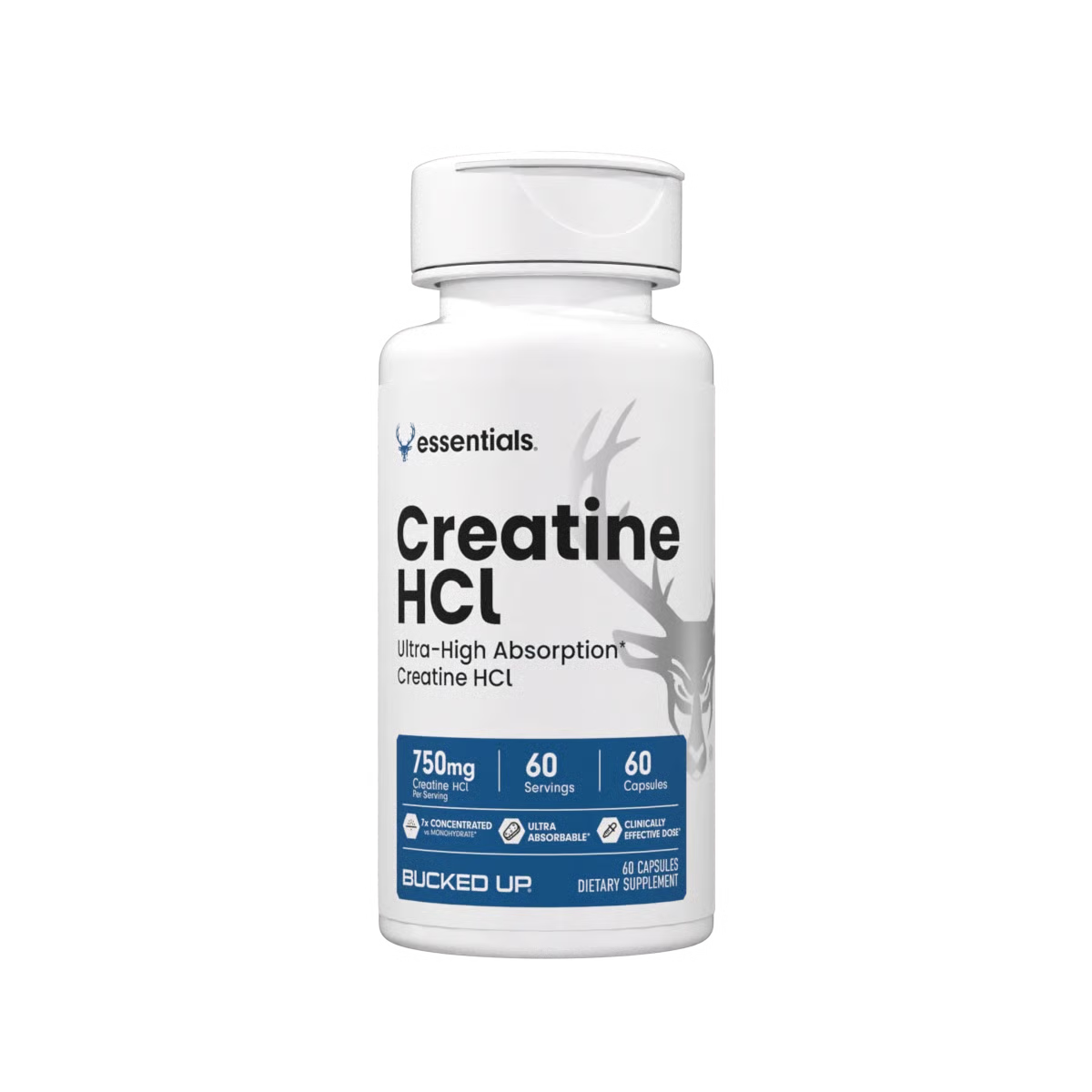
| HCl Capsules | No mixing required | Convenient dosing without bloating | Creatine HCl (750mg/capsule) |
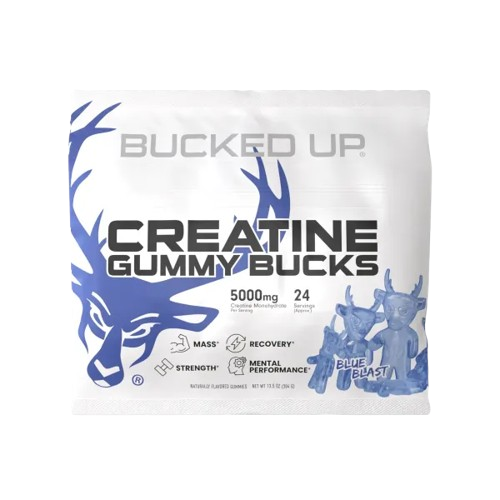
| Gummies | Instant consumption | Portable format, no shaker needed | Creatine Gummies (5g/5 chews) |
| Candy | Dissolves in mouth | Convenient and can satisfy sweet cravings | Creatine Candy (5g/serving) |
For powder, room-temperature water and vigorous shaking usually give the smoothest mix. Many lifters prefer taking creatine after training, although consistent daily intake matters more than exact timing. Bucked Up formats such as Tropic Thunder gummies remove mixing steps entirely while still providing an effective daily serving.
Avoid These Common Creatine Mixing Mistakes
• Non-micronized products that clump and settle, which can leave you with inconsistent dosing
• Uncertified supplements that may contain impurities and affect how well the powder dissolves
• Poor mixing technique such as using very cold water or not shaking long enough
These issues share a simple solution: verify product quality before you buy and prepare each serving correctly. A quick home dissolution test can help. Quality micronized creatine should dissolve in room-temperature water with brief shaking and leave little to no residue. If you still notice persistent grittiness after trying these steps, consider switching to a micronized formula such as Bucked Up’s Pure Creatine.
Reduce clumping and grit by switching to Bucked Up’s micronized, third-party tested creatine options
Is Soluble Creatine Monohydrate a Good Fit for Your Goals?
Creatine monohydrate can support many people who want better strength, power, and cognitive performance.1 Daily use, including rest days, helps maintain muscle saturation so your stores stay elevated over time.1 Many lifters also aim for roughly 80 to 100 oz of water per day to support hydration and cellular function while supplementing.1
Talk with your healthcare provider if you have kidney concerns or other medical conditions, since they can review your specific situation. The NSF certifications mentioned earlier can provide added reassurance for competitive athletes who undergo drug testing and need extra confidence in product screening.
What Effective, Well-Mixed Creatine Use Looks Like
Well-dissolved creatine should mix mostly clear, show little to no sediment, and feel smooth to drink. Many users notice fewer stomach issues and begin to see strength and recovery changes within about 2 to 4 weeks of consistent use.1 Common reports include extra reps at a given weight, less fatigue between sets, and faster recovery between training sessions.1
Level Up Your Stack with Bucked Up’s Creatine Line
Once you have a core creatine routine in place, you can expand your stack based on your goals and schedule. Some lifters add Six Point Creatine for a varied absorption profile, while others prefer gummies or candy for travel days and busy mornings. Bucked Up products that align with the purity and certification standards described earlier can offer a consistent experience compared with many generic alternatives, which helps you avoid the mixing frustrations that often derail creatine habits.
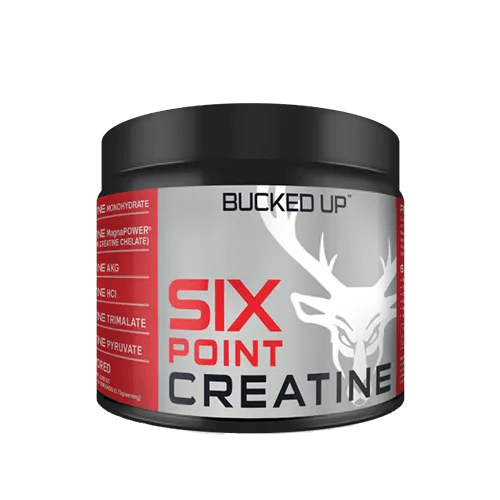
Explore Bucked Up’s full creatine line to build a stack that fits your training style and routine
Frequently Asked Questions
What type of creatine dissolves best?
Micronized creatine monohydrate typically dissolves most effectively because of its reduced particle size. Smaller particles create more surface area for water contact, which supports faster and more complete mixing. Bucked Up’s micronized Pure Creatine is designed to mix clear with minimal residue when used as directed.
What is the purest form of creatine monohydrate?
High-purity creatine monohydrate can reach 99.8% or higher purity when produced under strict quality controls and supported by third-party testing. This level helps limit impurities such as creatinine, dicyandiamide, or residual solvents that may influence dissolution and absorption. Bucked Up’s Pure Creatine is formulated to meet these types of standards through pharmaceutical-grade manufacturing processes.
Which creatine mixes well without clumping?
Micronized creatine monohydrate from reputable manufacturers usually mixes smoothly when combined with adequate water and shaken thoroughly. Look for products clearly labeled as micronized and supported by reviews that mention clear mixing and no clumps.
Should I take creatine on rest days?
Daily creatine intake helps maintain elevated muscle stores that support performance.1 Consistency matters more than exact workout timing because creatine works by building up phosphocreatine levels in your muscles over time.1 Taking creatine on rest days keeps those levels steady for your next training session.
Can I take creatine in pill form instead of powder?
Creatine capsules remove mixing steps and can provide precise, portable dosing. Bucked Up’s Creatine HCl capsules offer this type of convenience for people who prefer pills. Powder formats still appeal to many lifters because they allow flexible dosing and can support fast absorption when mixed thoroughly.1
Choosing creatine monohydrate that dissolves easily comes down to particle size, clear purity standards, and reliable third-party testing. Bucked Up’s Pure Creatine aligns with these criteria, offering high purity, NSF-related certifications, and smooth mixing that can reduce the frustration of gritty supplements. Explore Bucked Up’s creatine range to find the product that fits your goals, taste preferences, and daily routine
1 The content provided in this article is for informational purposes only and is not medical advice. Consult with a medical professional before implementing any changes to your diet, health, or exercise routines.
Individual results will vary and are based on a combination of each individual’s diet, exercise, age, and health circumstances.
These statements have not been evaluated by the Food and Drug Administration. This product is not intended to diagnose, treat, cure or prevent any disease.
This article was written by Ryan Gardner, CEO of Bucked Up. As the maker of Bucked Up Creatine, we have a financial interest in this information. The views expressed are our own and should be read with that context in mind