Written by: Ryan Gardner, Owner, Managing Partner, CEO, Bucked Up | Last updated: April 17, 2026
Key Takeaways
- Standard creatine monohydrate has low solubility (13 g/L at 25°C), which often creates gritty textures and hurts daily consistency.
- Micronization can reduce creatine particle size to about 56.3 micrometers, increasing surface area and helping it dissolve more easily.
- Solubility enhancers such as gluconate, malate, and citrate can improve mixability, with some forms offering roughly three times better solubility than standard monohydrate.
- Bucked Up’s Pure Creatine (micronized) and Six Point Creatine (with added enhancers) are formulated for smooth mixing and NSF/GMP-certified purity.
- You can choose from Bucked Up creatine powders, gummies, and capsules if you want options that reduce or remove mixing hassles.
Why Creatine Solubility Affects Your Daily Use
Creatine that does not dissolve well often settles at the bottom of your shaker, which means you may not drink your full serving. Poor solubility can also create a sandy texture that makes creatine less enjoyable and harder to take every day. Micronization helps address this issue by reducing creatine particle size to about 56.3 micrometers, which increases surface area and supports faster dissolution in liquid. Micronized creatine monohydrate can therefore mix more smoothly than standard forms, especially in cold water. However, micronization is only one part of the solubility story.
Solubility enhancers build on micronization and can further improve how creatine behaves in your drink. Gluconate forms can support favorable absorption profiles.1 Malate combinations can support energy production pathways while also improving mixability.1 Citrate variants can provide rapid dissolution characteristics that help creatine disperse more evenly in liquid. Creatine malate demonstrates aqueous solubility of 0.045 g/mL compared to standard monohydrate’s 0.0133 g/mL, which represents about a threefold improvement and can feel noticeably smoother in the glass.
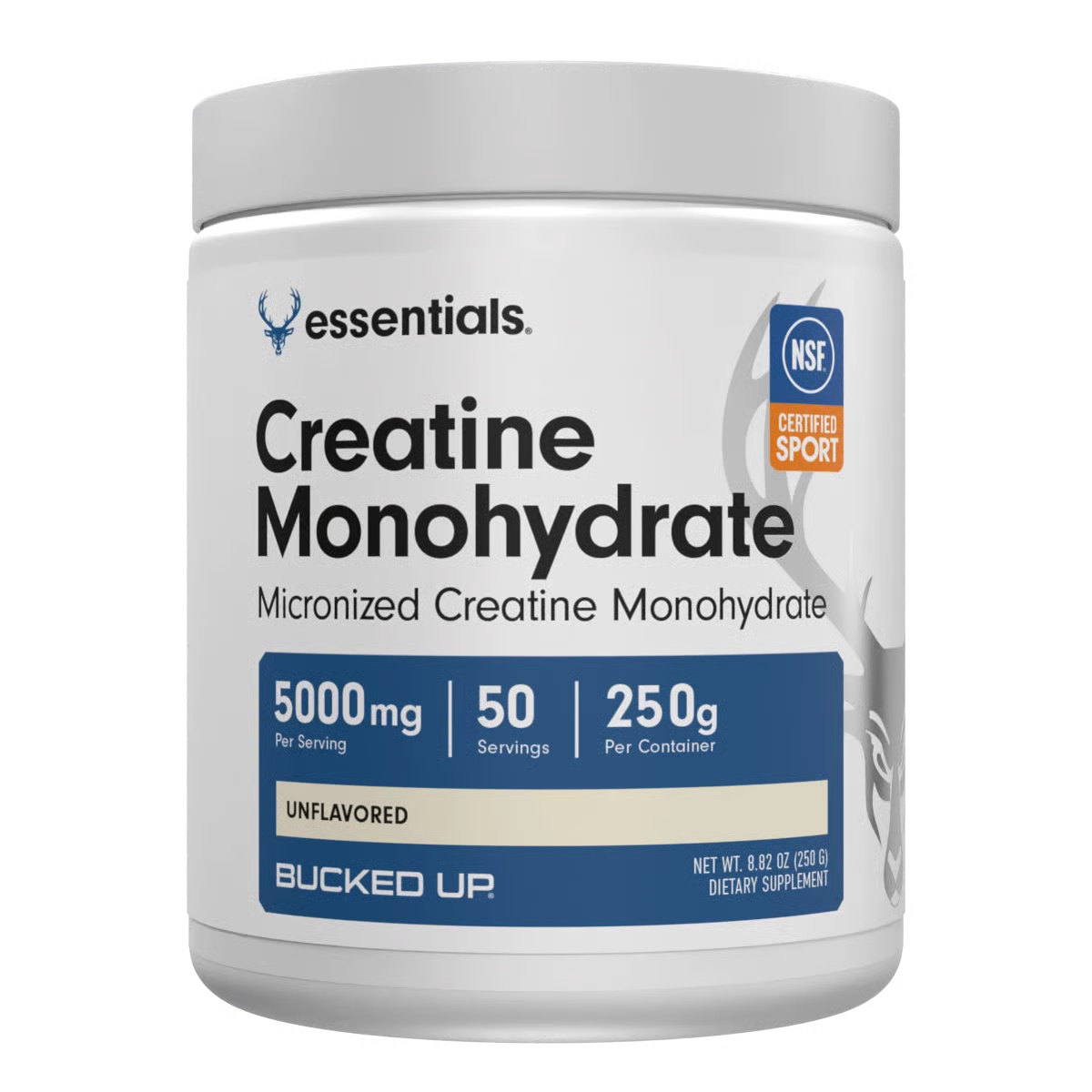
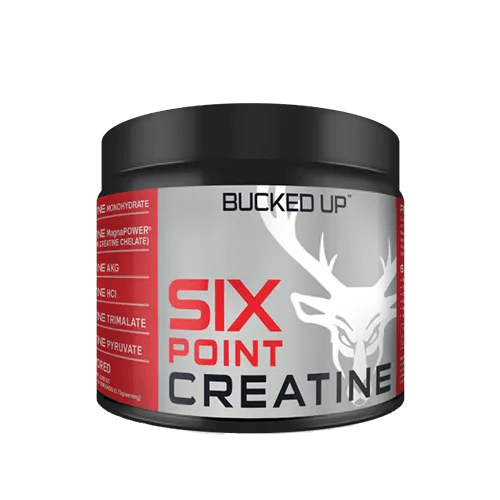
Bucked Up’s Pure Creatine uses micronization technology and is tested to 99.8% purity, which supports consistent mixing and quality. Six Point Creatine combines monohydrate with gluconate and malate enhancers, creating a multi-component blend that aims to support both absorption and dissolution.1 These details matter if you want a creatine routine that feels easy to stick with every day.
How This Guide Evaluates Dissolving Creatine Powders
Clear evaluation criteria help you compare creatine products on more than just flavor and price. Dissolution testing often starts with how long a serving takes to dissolve in cold water with about 30 seconds of stirring. You can also look at how much residue remains at the bottom of the glass and whether the final drink feels smooth or gritty. Testing in different beverages, such as water, juice, or shakes, gives a fuller picture of real-world performance.
Quality certifications add another layer of confidence. NSF Sport certification, GMP manufacturing standards, and third-party purity testing help confirm that each batch meets label claims and maintains consistent particle size distribution. Solubility enhancers can provide measurable advantages in both dissolution speed and mouthfeel. Micronized formulations can also help creatine dissolve more completely in cold water with simple stirring.
When you look at Bucked Up’s Pure Creatine, you can factor in its micronized form, which is designed to support easier mixing in a range of drinks. Six Point Creatine offers a flavorless profile, so you can add it to many beverages without major changes in taste or texture. These details can help you choose a product that fits your routine and preferences.
Creatine Powders with Added Solubility Support
The form of creatine and any added enhancers both influence how smoothly a product mixes. The comparison below highlights how several creatine options approach solubility and what you may want to consider before choosing one.
| Product | Form/Enhancers | Solubility Metrics | Considerations |
|---|---|---|---|
| Bucked Up Pure Creatine | Micronized monohydrate | Improved dissolution with micronization | Test mixing in water, juice, and shakes for texture and residue |
| Bucked Up Six Point | Monohydrate + gluconate/malate | Enhanced vs. standard monohydrate | Multi-component blend that may support mixability and absorption.1 |
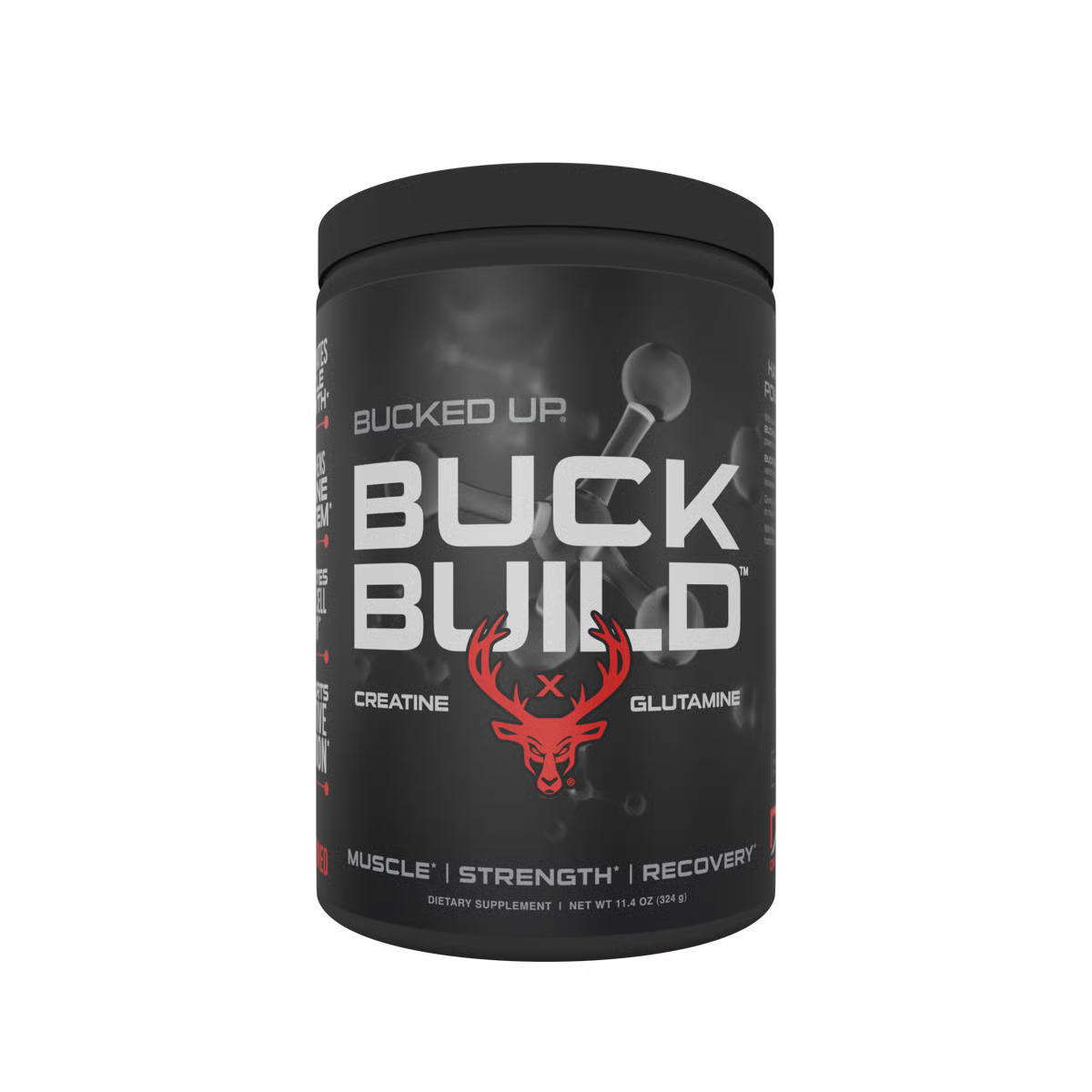
| Bucked Up Buck Build | Malate/citrate + betaine | Enhanced solubility with malate and citrate | Formulated for performance and recovery support.1 |
| Generic Micronized | Micronized monohydrate | Improved solubility compared to standard | Check for consistency, residue, and third-party testing |
| Competitor HCl Blend | Hydrochloride form | Higher solubility than monohydrate | Evaluate digestive tolerance and personal response |
Bucked Up formulations combine micronization, targeted enhancers, and defined manufacturing standards, which can appeal to people who want predictable mixing and quality checks. Generic micronized creatine can still offer better solubility than standard monohydrate, although refinement, testing, and batch consistency can vary between brands.
How Bucked Up Approaches Creatine That Mixes Smoothly
Several creatine brands focus on solubility, and Bucked Up is one of the companies that builds this into its formulations. Bucked Up’s creatine products use micronization and, in some cases, added enhancers to support good dissolution in common beverages. This approach aims to reduce clumping, limit residue, and create a texture that feels easier to drink every day.
NSF Sport certification and GMP manufacturing standards also play a role in how consistently a product performs. These processes help support uniform particle size distribution and purity from batch to batch. When you compare creatine brands, you can weigh these factors alongside flavor, price, and your preferred format.
How to Mix Creatine for Better Dissolving and Less Grit
Simple changes in how you mix creatine can noticeably improve solubility and mouthfeel. Start with liquid temperature, because creatine dissolves more easily in slightly warmer liquids than in very cold ones. Let cold water sit until it reaches room temperature, then add your creatine and mix. This small step can help creatine disperse more evenly before you add ice or chilled ingredients.
Beyond temperature, the type of liquid matters. Fruit juices often provide a better dissolution medium than plain water because natural acids and sugars can support solubility. If you still notice texture, protein shakes and smoothies can help mask any remaining grittiness while adding extra nutrition. These thicker drinks can make creatine feel almost invisible in the final blend.
Stirring technique also affects the final result. Aim for vigorous mixing for about 30 seconds, then let the drink sit briefly so any small bubbles can rise and clumps can break apart. Bucked Up’s micronized creatine formulations are designed to dissolve with minimal effort, so simple stirring in water, juice, or a shake often works well. For stubborn clumps, create a small slurry with a few ounces of liquid first, then add more liquid once the powder has dispersed.
No-Mix Creatine Options from Bucked Up
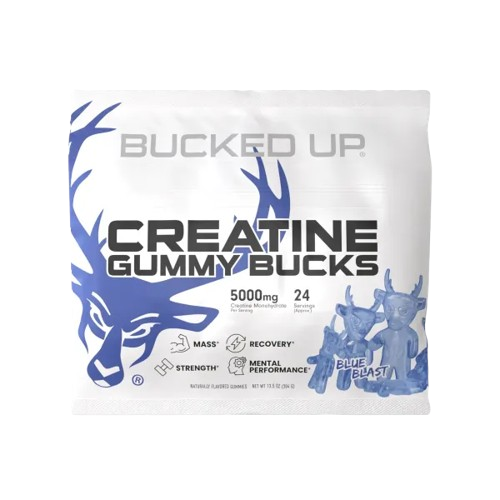
Some people prefer to skip mixing altogether and use creatine in ready-to-take formats. Bucked Up offers several options that remove shaker bottles and stirring from the process. Creatine Gummies provide 5 grams of creatine monohydrate per serving in a chewable format that fits easily into a busy day. This style can work well if you travel often or dislike drinking flavored powders.
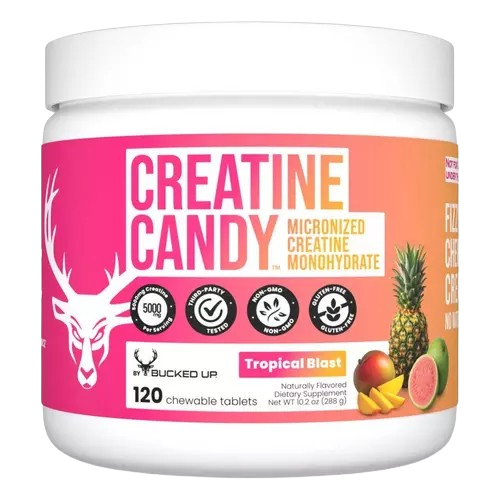
Creatine Candy uses dissolvable tablets that create a light fizzy sensation as they break down in your mouth. This format offers a different experience while still delivering creatine without any mixing. Creatine HCl capsules provide a measured dose in capsule form, which removes texture concerns and can appeal to people who are sensitive to bloating with some powder-based products.1 These alternatives keep the core performance benefits of creatine while lowering barriers to consistent daily use.1
Frequently Asked Questions
What helps creatine dissolve more easily?
Several factors influence how well creatine dissolves in liquid. Particle size reduction through micronization increases surface area, which supports faster interaction with water and smoother mixing. Solubility enhancers such as malate, gluconate, and citrate can change how creatine interacts with water molecules and improve its ability to disperse. Temperature also plays a major role, because warm liquids can dissolve more creatine than very cold ones.
Manufacturing methods matter as well. Processes that reduce crystallinity and create a more uniform particle distribution can support better mixing properties. When these elements work together, creatine is more likely to dissolve fully and leave less residue at the bottom of your glass.
Are capsules a better choice than powders if I want to avoid mixing issues?
Capsules remove mixing from the equation and provide a set dose without scoops or measuring. Bucked Up’s Creatine HCl capsules offer a capsule-based option for people who want creatine without concerns about water retention or digestive discomfort that some individuals report with certain forms.1 This format can feel straightforward if you already take other supplements in capsule form.
Powders still have advantages for many people. They allow flexible dosing, can be combined with other powdered supplements, and often come in more flavor options. The better choice depends on whether you value convenience and simplicity more than customization and flavor variety.
Should I take creatine on rest days?
Daily use helps keep your muscle creatine stores saturated, even when you are not training. Muscle creatine levels gradually decline if you skip several days, and it can take time to rebuild those levels. Taking creatine on rest days supports recovery and helps you stay ready for upcoming workouts.1
This steady approach can be especially helpful if you train multiple times per week or follow a structured program. Consistency often matters more than the exact time of day you take creatine.
How much water should I drink with creatine?
Many people benefit from a daily water intake of about 80 to 100 ounces when using creatine, although individual needs can vary. This range supports cellular hydration and overall fluid balance. For each serving of creatine, aim for about 8 to 12 ounces of liquid to help the powder dissolve and disperse.
Higher water intake can also help reduce the chance of digestive discomfort for some users.1 Adequate hydration supports creatine’s role in the body and can complement your broader nutrition and training plan.
How does creatine malate compare to monohydrate for solubility?
Creatine malate generally shows higher aqueous solubility than standard creatine monohydrate, especially in cold liquids. This means creatine malate can dissolve more completely and may feel smoother in the glass. The malate component can also support energy pathways that relate to exercise performance.1
Creatine monohydrate still remains the most researched form, with extensive data on safety and effectiveness across different populations. Some people choose malate or other enhanced forms for mixability and specific performance goals, while others prefer monohydrate for its long research history and broad availability.
Conclusion: Choosing a Creatine That Fits Your Routine
Focusing on solubility can make creatine easier to take consistently and more pleasant to drink. Products that mix smoothly reduce grit, limit residue, and support full dosing, which can help you stay on track with your training plan. Micronization, solubility enhancers, and thoughtful manufacturing all contribute to this experience.
Bucked Up offers creatine options that use these approaches, including micronized powders and blends with added enhancers. You can also choose gummies, candy, or capsules if you prefer no-mix formats. Explore Bucked Up’s creatine collection to compare powders, gummies, and capsules and find a format that fits your daily routine.
1 The content provided in this article is for informational purposes only and is not medical advice. Consult with a medical professional before implementing any changes to your diet, health, or exercise routines.
Individual results will vary and are based on a combination of each individual’s diet, exercise, age, and health circumstances.
These statements have not been evaluated by the Food and Drug Administration. This product is not intended to diagnose, treat, cure or prevent any disease.
This article was written by Ryan Gardner, CEO of Bucked Up. As the maker of Bucked Up Creatine, we have a financial interest in this information. The views expressed are our own and should be read with that context in mind