Written by: Ryan Gardner, Owner, Managing Partner, CEO, Bucked Up | Last updated: April 17, 2026
Key Takeaways
- Reputable creatine sources use NSF Sport certification, GMP manufacturing, and third-party testing to support purity and safety.
- Bucked Up offers micronized creatine monohydrate in convenient formats such as powders, gummies, and dissolvable candy.
- NSF Sport certification screens products for hundreds of banned substances, which supports athlete confidence and compliance.
- Online marketplaces can increase risks of contamination, underdosing, and missing batch-specific testing.
- Explore Bucked Up’s certified creatine products and choose the format that fits your routine.
How To Spot a Reputable High-Purity Creatine Source Online
Reliable creatine brands share clear quality markers that separate them from questionable suppliers. These markers help you judge purity, safety, and consistency before you buy.
| Criteria | Why It Matters | Industry Standard | Bucked Up Example |
|---|---|---|---|
| Purity Level | Supports effective dosing and limits unnecessary fillers1 | High-purity micronized creatine monohydrate | High-purity micronized creatine in multiple formats |
| Third-Party Certifications | Confirms safety checks and banned substance screening | NSF Sport, GMP certification | NSF Sport, NSF, and GMP certified facilities |
| Transparency | Provides documentation you can verify | Publicly available Certificates of Analysis | Open ingredient disclosure and batch testing |
| Format Innovation | Gives options that fit different lifestyles | Traditional powders only | Powders, gummies, and dissolvable candy |
NSF Certified for Sport certification tests products for over 270 banned substances, contaminants, and label accuracy, which many athletes treat as a key verification standard. The International Society of Sports Nutrition position stand identifies creatine monohydrate as a highly supported form, so this guide focuses on that specific compound.
With these quality markers in mind, you can now see how leading brands measure up against these standards.
Bucked Up Creatine: NSF Sport Certified, Micronized, and Convenient
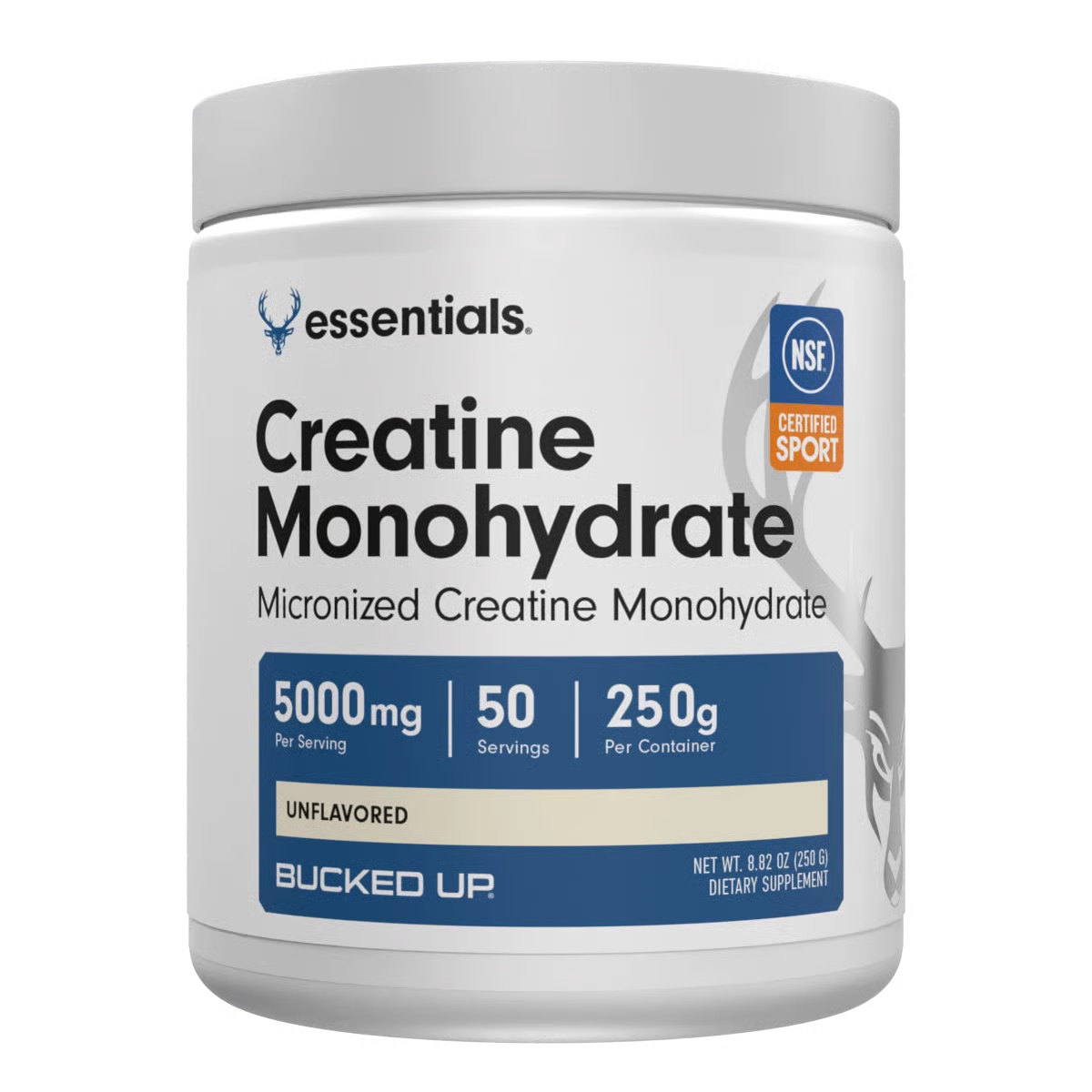
Bucked Up operates as a reputable place to buy high purity creatine monohydrate online by combining NSF Sport certification, micronized formulations, and convenient delivery formats. The company’s facilities hold NSF, GMP, and NSF Sport certifications, which support consistent quality control throughout production.
The Pure Creatine line provides 5 grams of micronized creatine monohydrate per serving in flavors such as Grape Apple, Mango Pineapple, Blue Raspberry, and Fruit Punch. This micronization process is important because it breaks creatine particles into a finer powder, which improves solubility and can reduce the bloating many people report with standard creatine supplements.1
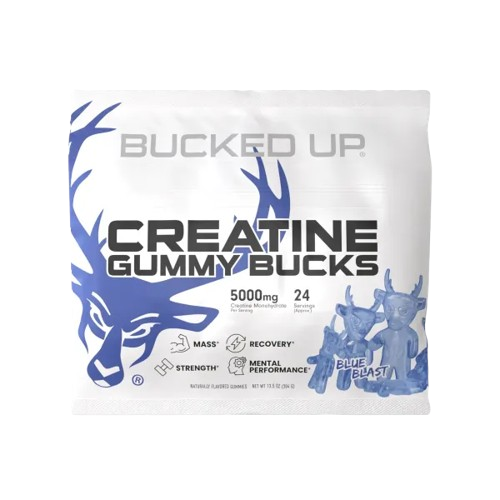
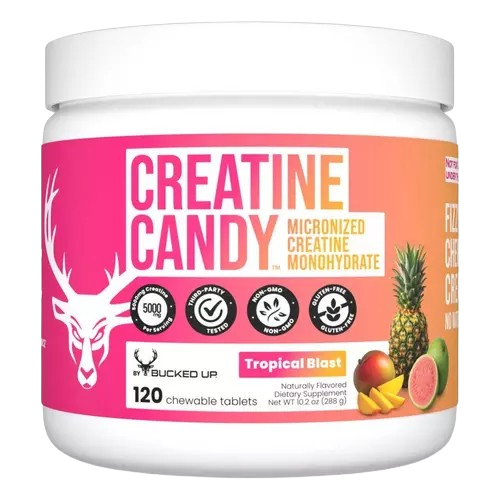
Bucked Up’s format options address common convenience gaps. Creatine Gummies supply 5 grams per 5-piece serving in flavors like Tropic Thunder and Raspberry Blitz. Creatine Candy offers 5 grams in a dissolvable, fizzy tablet that you can take without a shaker. These alternatives remove the need for mixing while keeping the same purity standards as the flavored powders.
Customer reviews reinforce these points about taste, comfort, and results. One user shared, “Unlike other creatine, this has no after taste, only straight results. You won’t even know you put a scoop in your pre or shake.” Another reported, “After about 2 months I put on about 10lbs after being at the same weight for years.” A gummy user noted, “My inner stomach muscles actually stay and my body doesn’t hurt the next day, no matter how hard I go.”1
How Bucked Up Compares to Other Creatine Brands
Several brands sell high-quality creatine monohydrate, yet they differ in certifications, formats, and documentation. Transparent Labs focuses on detailed ingredient disclosure and third-party testing reports. Kaged Muscle offers micronized creatine monohydrate with solid purity claims and capsule options.
| Brand | Purity Claim | Key Certifications | Available Formats |
|---|---|---|---|
| Bucked Up | High-purity micronized | NSF Sport, NSF, GMP | Powder, gummies, candy |
| Transparent Labs | High-purity | Third-party tested | Powder only |
| Kaged Muscle | High-purity micronized | Third-party tested | Powder, capsules |
NSF Sport certification for Bucked Up provides more extensive banned substance screening than many standard third-party checks. The gummy and candy formats also give options for people who prefer not to carry shakers or mix drinks, while still aligning with the purity expectations shown in the table.
Common Mistakes When Buying Creatine Online
Buying creatine from general marketplaces can introduce safety and dosing concerns. Amazon and similar platforms often list products with unclear purity claims, hidden fillers, or limited third-party documentation. Independent testing in 2024 found that 46% of creatine gummy brands failed to meet label claims due to degradation during manufacturing, which shows why stability testing matters.
Unverified brands may skip proper Certificates of Analysis or post outdated reports that do not match current batches. Lot-specific third-party testing ties lab results directly to the exact batch purchased, which supports repeatable checks on purity and potency. Before you buy, you can confirm batch numbers through certification databases or tools such as CheckMySupps.com.
Buying directly from certified manufacturers like Bucked Up reduces intermediary risks and supports product authenticity through controlled supply chains and appropriate storage.
Who Can Benefit From High-Purity Creatine Monohydrate?
High-purity creatine monohydrate can support people who want better physical performance, muscle maintenance, or cognitive benefits.1 Studies show that creatine combined with resistance training can increase lean body mass in adults.1 Athletes often use creatine to support ATP regeneration during intense efforts, which can help power output and recovery between sets.1
Health-focused users may take creatine to help preserve muscle as they age and to support brain function.1 Research points to potential benefits for memory, attention, and information processing, especially in people with lower baseline creatine levels, such as vegetarians and older adults.1
The standard effective daily amount usually falls between 3 and 5 grams, and consistency matters more than exact timing.1 Many users also aim for 80 to 100 ounces of water per day, which supports normal cellular function and can limit digestive discomfort.
Choosing Bucked Up Creatine With Confidence
Bucked Up functions as a strong option for buying high purity creatine monohydrate online in 2026 because it combines NSF Sport certification, micronized formulas, and formats such as gummies and candy. Third-party testing, transparent manufacturing, and certified facilities align with the core criteria that separate reliable suppliers from less documented alternatives.
Athletes who need portable options can use the gummy format for measured servings without mixing. People who prefer a daily routine at home can pick from flavored powders or the dissolvable candy. Each format follows the same purity standards while giving flexibility for different schedules and taste preferences.
High-Purity Creatine Buying FAQs
What is the purest creatine monohydrate on the market?
High-purity creatine monohydrate products often use micronization to support solubility and limit impurities. Bucked Up’s creatine products use micronized creatine across powders, gummies, and candy. NSF Sport certification adds another layer of review by confirming that products match labels and avoid banned substances or notable contaminants.
Which creatine brands are most trusted for online purchases?
Trusted creatine brands for online shopping usually hold NSF Sport or similar certifications, share lot-specific Certificates of Analysis, and produce in GMP-certified facilities. Bucked Up fits this profile through broad third-party testing, clear ingredient labels, and formats that aim to keep purity standards while adding convenience.
Do creatine gummies provide the same benefits as powder?
Creatine gummies can provide similar benefits to powder when they match the standard 5-gram dose mentioned earlier and use pure creatine monohydrate.1 The main differences relate to taste, portability, and how you prefer to take your supplement. Manufacturing quality still matters, because some gummies can lose potency during production. Bucked Up’s gummies address this with stability-focused processes and independent testing.
How can I verify if my creatine is NSF Sport certified?
NSF Sport certified products display the official logo on the label and appear in the NSF database when you search the product’s lot number. This certification, which screens for hundreds of banned substances as discussed earlier, also verifies label accuracy through ongoing facility audits. Bucked Up shares certification details and batch-specific testing results for its creatine line.
What is the difference between micronized and regular creatine monohydrate?
Micronized creatine monohydrate uses smaller particles that mix more easily in water, settle less, and may feel gentler on digestion than many regular creatine powders.1 The process does not change the creatine molecule or its core effectiveness. It mainly improves mixing and user experience. All Bucked Up creatine products use micronized creatine to support these benefits.1
1 The content provided in this article is for informational purposes only and is not medical advice. Consult with a medical professional before implementing any changes to your diet, health, or exercise routines.
Individual results will vary and are based on a combination of each individual’s diet, exercise, age, and health circumstances.
These statements have not been evaluated by the Food and Drug Administration. This product is not intended to diagnose, treat, cure or prevent any disease.
This article was written by Ryan Gardner, CEO of Bucked Up. As the maker of Bucked Up Creatine, we have a financial interest in this information. The views expressed are our own and should be read with that context in mind