Written by: Ryan Gardner, Owner, Managing Partner, CEO, Bucked Up | Last updated: April 17, 2026
Key Takeaways
- Choose NSF Certified for Sport or Informed Choice certified creatine to support purity, potency, and screening for banned substances or fillers.
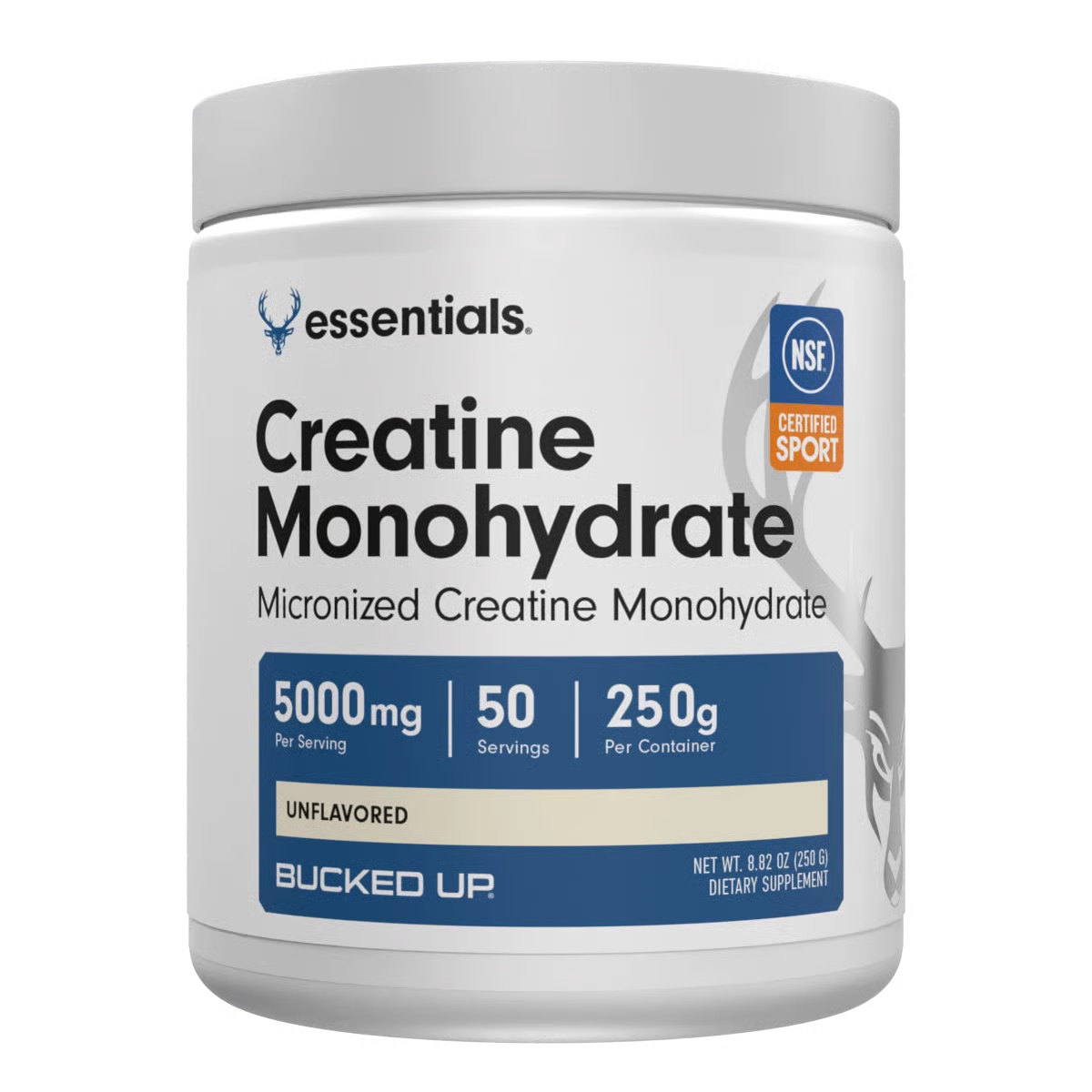
- Bucked Up Pure Creatine offers 99.8% micronized monohydrate with NSF/GMP/NSF Sport certifications and zero fillers for a clean, straightforward formula.
- Opt for 5g daily servings of pure creatine monohydrate, taken consistently including rest days, to support strength, recovery, and cognitive performance.1
- Micronized powders, gummies, and candy formats can improve solubility and convenience while helping reduce bloating compared to basic powders.1
- Ready to elevate your performance? Get Bucked Up’s NSF-certified creatine in powder, gummies, or candy by shopping Bucked Up’s creatine collection.1
Top Places to Buy Pure Creatine Monohydrate with Transparent Ingredients in 2026
1. BuckedUp.com – Bucked Up Pure Creatine
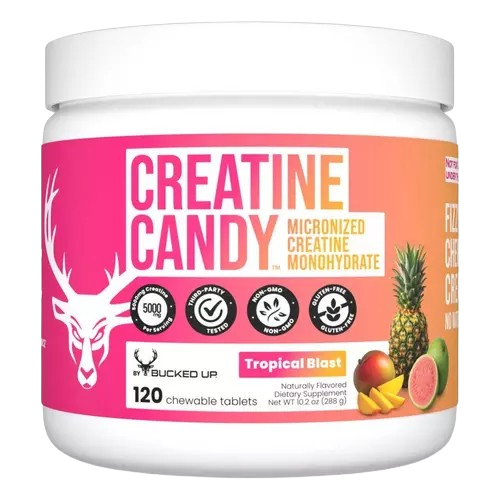
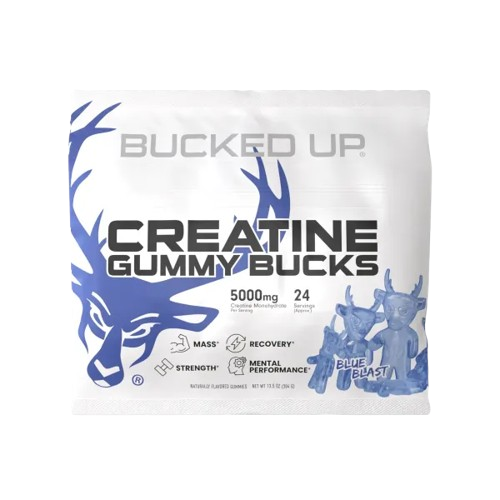
NSF Certified for Sport is a third-party certification program that ensures creatine supplements meet rigorous testing criteria for purity, safety, and absence of banned substances. Bucked Up Pure Creatine delivers 99.8% micronized creatine monohydrate with NSF/GMP/NSF Sport certifications and zero fillers. The product comes in multiple formats including powder (Grape Apple, Mango Pineapple, Blue Raspberry, Fruit Punch), gummies, and candy for convenient, bloat-conscious use.
2. Amazon/iHerb – Transparent Labs Creatine
Transparent Labs Creatine HMB, combining 5 grams of creatine monohydrate with HMB, BioPerine, and Vitamin D, is Informed Choice certified and third-party tested. This option offers micronized powder with additional ingredients but fewer format choices than Bucked Up.
3. Naked Nutrition – Naked Creatine
Naked Creatine takes a minimalist approach with third-party testing for purity. It provides basic creatine monohydrate powder without additional certifications or innovative delivery formats.
4. Optimum Nutrition – Micronized Creatine Monohydrate
Optimum Nutrition Micronized Creatine Monohydrate Powder is Informed Choice-certified, ensuring banned substance testing. This established brand focuses on a straightforward powder format.
5. Bulk Supplements – Pure Creatine Monohydrate
Bulk Supplements offers large quantities for cost-conscious users. The product follows basic purity standards but does not include premium certifications.
The table below summarizes how these five brands compare across key factors that influence creatine quality: purity and certifications, available formats, and ingredient transparency.
| Brand/Source | Purity/Certifications | Available Forms | Full Disclosure |
|---|---|---|---|
| Bucked Up | 99.8%, NSF/GMP/NSF Sport | Powder, Gummies, Candy, HCl Capsules | Yes, zero fillers |
| Transparent Labs | Informed Choice certified and third-party tested | Powder, HMB blend | Yes |
| Naked Nutrition | 99%+, third-party tested | Powder only | Yes, minimal ingredients |
| Optimum Nutrition | Micronized, Informed Choice | Powder | Yes |
Bucked Up differentiates through multi-format innovation, including the Six Point Creatine blend and HCl capsules, which expand options beyond standard powders.
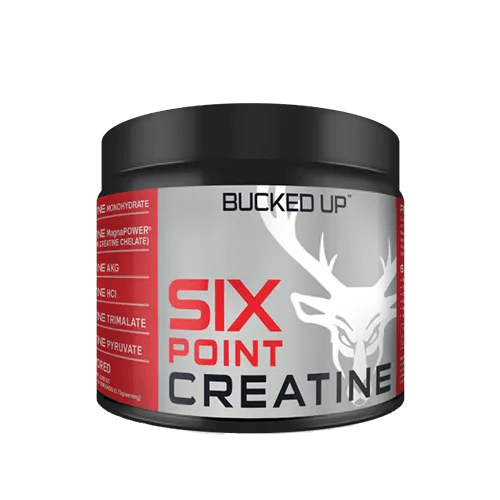
Unlock peak mental and physical performance. Explore Bucked Up’s range of creatine products and find the perfect match for your wellness goals by browsing Bucked Up’s creatine collection.1
How to Identify the Purest Creatine Monohydrate Brand
Bucked Up Pure Creatine maintains the 99.8% purity and triple certification mentioned earlier, with 5-gram servings containing no additives. Independent third-party labs test all NutraBio creatine supplements for purity, potency, label accuracy, and screen for contaminants such as heavy metals, banned substances, fillers, and unwanted additives. These types of certifications and tests help confirm that what appears on the label matches what is in the tub. While competitors like Transparent Labs and Naked Nutrition offer pure formulations, they typically provide fewer certifications and format options than Bucked Up. High-purity creatine monohydrate at 99.99% maintains microbial contamination below 100 CFU/g total plate count with zero tolerance for pathogens like E. coli and Salmonella. NSF certification helps verify that creatine products meet strict standards related to these contamination limits. For pure creatine monohydrate with transparent ingredients, many shoppers look to NSF-certified Bucked Up Pure Creatine at 99.8% purity and zero fillers, available in powder, gummies, and candy at BuckedUp.com.
Bucked Up vs Competitors: Transparent Creatine Breakdown
When comparing transparent creatine brands, several factors matter most: purity level, certification depth, ingredient disclosure, and format convenience. The table below highlights how Bucked Up’s approach compares with two other leading transparent brands across these criteria.
| Criteria | Bucked Up | Transparent Labs | Naked Nutrition |
|---|---|---|---|
| Purity/Certifications | 99.8%, NSF Sport/GMP | Informed Choice certified and third-party tested | 99%+, third-party tested |
| Ingredient Disclosure | Full (5g monohydrate) | Full with added compounds | Full, minimal approach |
| Format Innovation | Powder, Gummies, Candy, HCl | Powder/HMB combinations | Powder only |
| Convenience Solutions | Portable options | Basic solubility | Minimalist design |
Bucked Up differentiates through format diversity and comprehensive certifications. Competitors provide solid purity but may not match the combination of certification depth and format variety available in Bucked Up’s creatine lineup.
Benefits, Dosage, and Practical Tips for Pure Creatine Monohydrate
Creatine works by increasing phosphocreatine stores in muscles, which aids in the rapid regeneration of Adenosine Triphosphate (ATP), the primary energy source for short-duration, high-intensity activities.1 This mechanism supports strength gains, faster recovery between sets, and enhanced cognitive function.1 The 5-gram daily dose mentioned earlier should be taken consistently regardless of training days to maintain muscle saturation and steady performance benefits.1
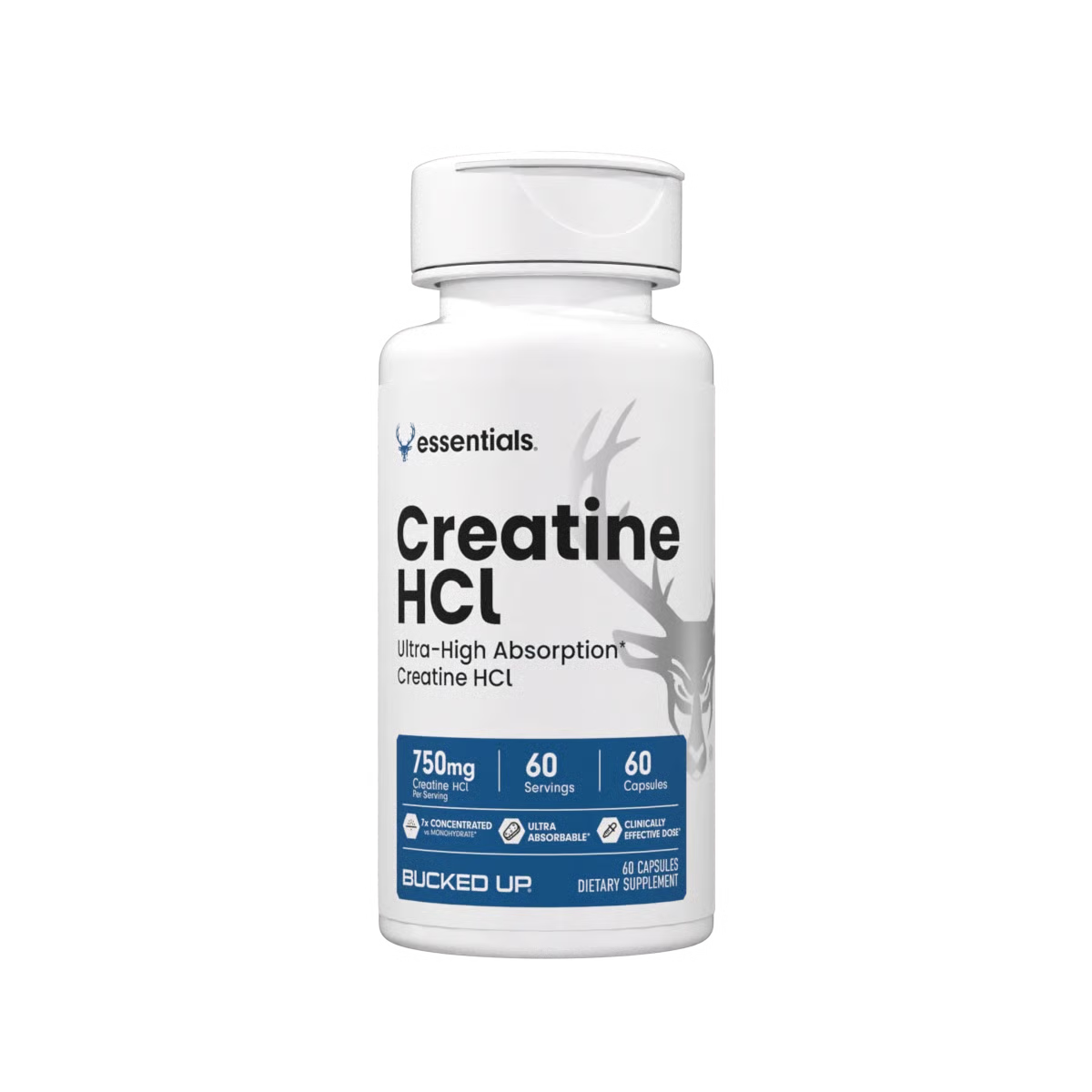
High-quality creatine monohydrate powder is micronized to a 200 mesh specification, enabling finer particles that enhance solubility and bioavailability.1 Because creatine draws water into muscle cells, hydration remains crucial, so consume 8-12 ounces of water per dose and maintain 80-100 ounces of total daily fluid intake. Bucked Up’s gummies and candy formats remove mixing steps while delivering comparable benefits to powder.1 HCl formulations do not require a loading period and can help reduce bloating concerns for users sensitive to standard monohydrate.1
Common Questions on Pure, Transparent Creatine
What’s the purest creatine monohydrate available?
Bucked Up Pure Creatine provides 99.8% micronized creatine monohydrate with NSF/GMP/NSF Sport certifications, offering high purity standards with comprehensive third-party verification for banned substances and contaminants.
Is Transparent Labs creatine worth the investment?
Transparent Labs offers basic purity with Informed Choice certification. Bucked Up offers NSF Sport/GMP certifications plus innovative formats like gummies and candy that address portability and taste preferences.
Should I choose pills or powder for creatine?
Capsules and gummies offer convenience without mixing requirements and typically cause less bloating than powders. Bucked Up’s HCl capsules and gummy formats provide precise dosing without the chalky texture some users experience with powders.
Do I need creatine on rest days?
Daily consistency maintains muscle creatine saturation levels. Taking creatine on non-training days helps keep phosphocreatine stores ready for your next workout and supports ongoing recovery processes.1
How much water should I drink with creatine?
Follow the hydration guidelines outlined earlier: 8-12 ounces of water with each creatine dose and 80-100 ounces of total daily fluid intake. Proper hydration supports creatine uptake and helps reduce the chance of digestive discomfort.1
Bucked Up distinguishes itself through NSF-certified purity and innovative creatine delivery systems. When evaluating any creatine option, start by verifying third-party certifications, since these confirm the purity and label claims. After confirming quality, choose a format that fits your routine, such as powder for home use, gummies or candy for portability, or capsules for precise dosing. Finally, check that the brand offers full ingredient transparency, because proprietary blends can hide suboptimal dosing or unnecessary fillers that may not align with your performance goals.
Ready to apply these criteria? Compare Bucked Up’s certified creatine options to find the format and formulation that match your evaluation checklist.
1 The content provided in this article is for informational purposes only and is not medical advice. Consult with a medical professional before implementing any changes to your diet, health, or exercise routines.
Individual results will vary and are based on a combination of each individual’s diet, exercise, age, and health circumstances.
These statements have not been evaluated by the Food and Drug Administration. This product is not intended to diagnose, treat, cure or prevent any disease.
This article was written by Ryan Gardner, CEO of Bucked Up. As the maker of Bucked Up Creatine, we have a financial interest in this information. The views expressed are our own and should be read with that context in mind