Written by: Ryan Gardner, Owner, Managing Partner, CEO, Bucked Up | Last updated: April 17, 2026
Key Takeaways for ATP-Boosting Supplements
- Creatine monohydrate ranks as a leading option for supporting ATP through the phosphocreatine system, with 2026 research showing improved reps, bar velocity, and recovery in resistance-trained athletes.1[1]
- CoQ10, D-ribose, L-carnitine, and magnesium support mitochondrial ATP production and energy pathways that matter for both explosive efforts and longer endurance work.1
- NAD+ precursors, B vitamins, and alpha-lipoic acid help cellular energy by supporting electron transport, cofactor activity, and antioxidant protection.1
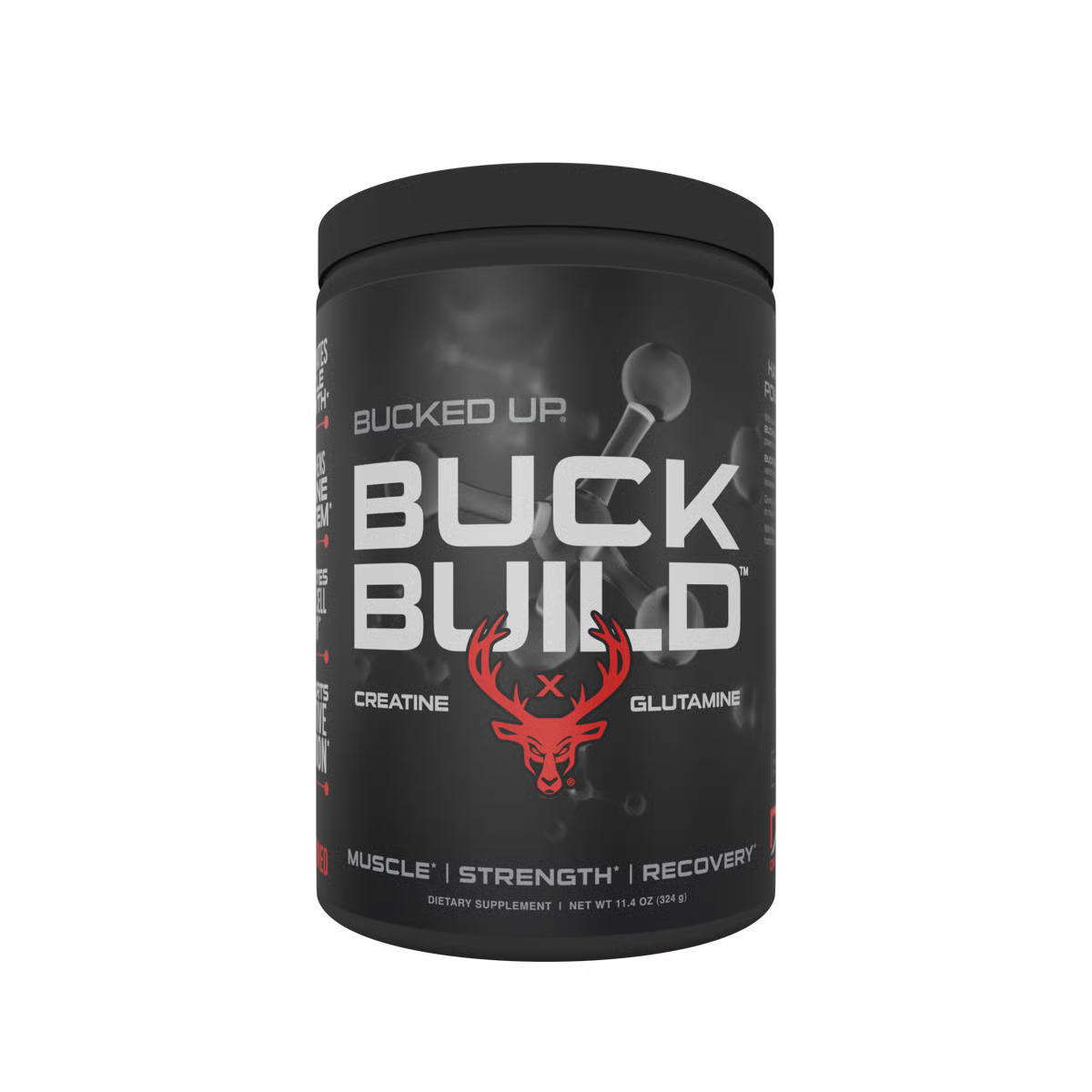
- Stacks that pair creatine with magnesium and other cofactors, such as Buck Build, can support ATP across power, endurance, and convenience needs.1
- Bucked Up offers pure creatine, creatine HCl, multi-form blends, and gummies with third-party testing to support ATP-focused training1; explore creatine options tailored to your performance goals.
Creatine Monohydrate as a Primary ATP Booster
Creatine monohydrate supports ATP production through the phosphocreatine system.1 A 2026 double-blind trial by Salem et al. reported that three days of creatine supplementation at 0.3 g per lb of body weight enhanced repetitions to failure, bar velocity at 60-80% 1RM, and recovery by buffering ATP depletion in resistance-trained males.1 The phosphocreatine pathway provides immediate energy for high-intensity efforts that last about 10-15 seconds, so creatine can be especially useful for explosive performance.1
Top 8 Supplements to Support ATP and Cellular Energy for Athletes
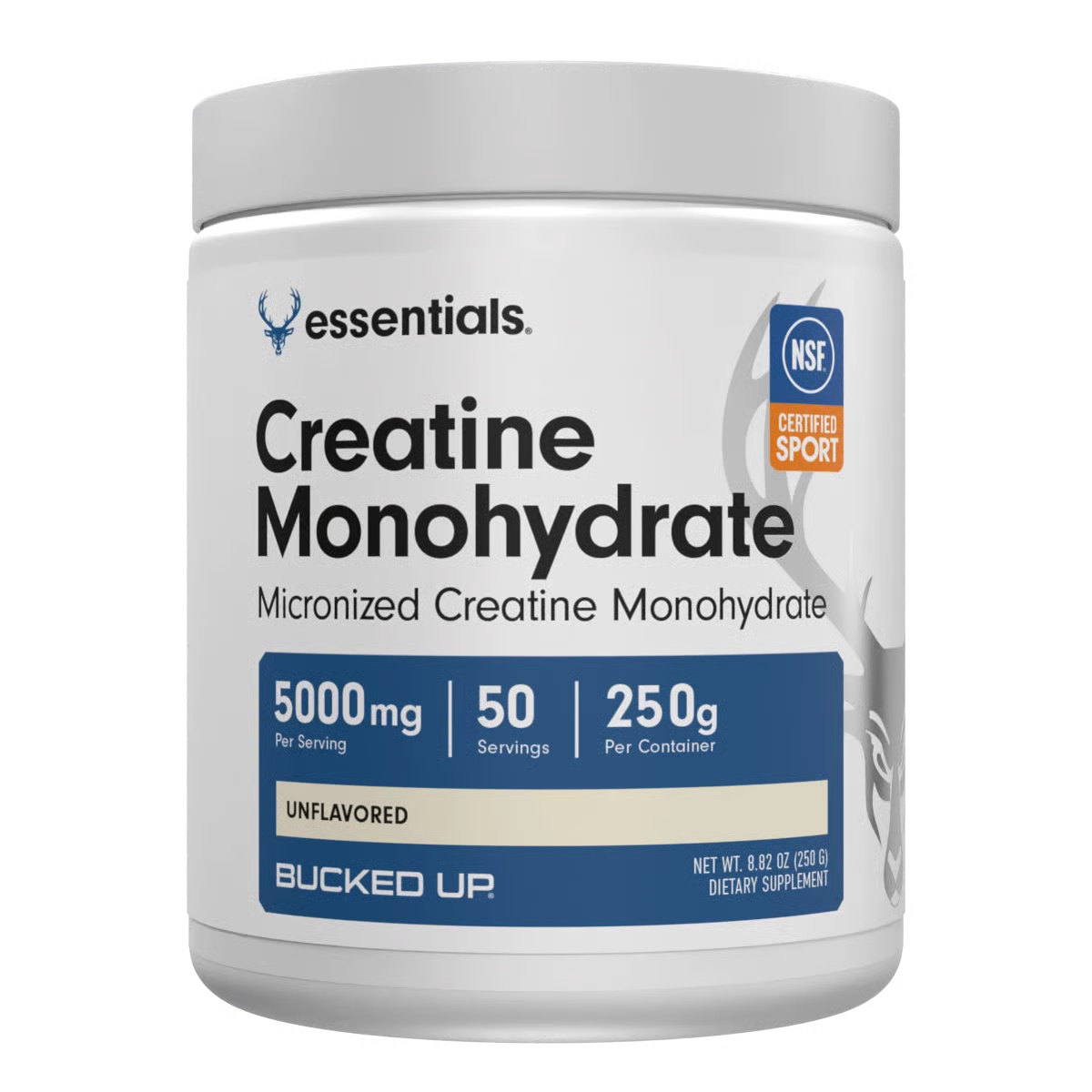
1. Creatine Monohydrate
Creatine monohydrate increases intramuscular phosphocreatine stores, which supports rapid ATP regeneration during high-intensity exercise.1 The Salem et al. findings mentioned earlier validate monohydrate’s performance benefits in trained populations.1[2] To reach similar muscle saturation, athletes often use 5 g daily, while loading protocols of 20 g per day for 5 days can speed up saturation.1 When selecting a creatine product to follow these protocols, consider mixability, purity certification, and flavor.
Bucked Up’s Pure Creatine provides 99.8% pure creatine monohydrate in flavored options such as Blue Raspberry and Mango Pineapple. The micronized powder mixes smoothly and avoids the chalky texture that some generic creatine products can have. NSF certification supports purity and safety for competitive athletes.
2. CoQ10
Coenzyme Q10 supports mitochondrial ATP production through its role in the electron transport chain.1 Deng et al.’s 2025 meta-analysis of 24 randomized controlled trials found that CoQ10 supplementation consistently raises blood CoQ10 levels and provides suggestive evidence for reduced subjective fatigue.1 Endurance athletes commonly use 100-200 mg daily to support aerobic energy production.1
3. D-Ribose
D-ribose acts as a building block for ATP synthesis and can be especially helpful during recovery after intense training.1 Research suggests that D-ribose supplementation may support ATP levels and post-exercise recovery in athletes, particularly after repeated high-intensity sessions.1
4. L-Carnitine
L-carnitine helps transport fatty acids into mitochondria, where they are used for ATP production through beta-oxidation.1 Karlsson et al.’s 2024 study on trained cross-country skiers reported post-exercise increases in several acylcarnitines, which indicated enhanced fatty acid metabolism during high-intensity efforts. L-carnitine supplementation is generally considered safe at daily intakes of 2 grams or less, although specific dosages vary by form and training goal.
5. Magnesium
Magnesium serves as an essential cofactor for ATP activation and use in muscle and nerve tissue.1 Athletes may require 10-20% more magnesium than the general population because of sweat losses and higher metabolic demands. Low magnesium can slow ATP utilization and contribute to reduced stamina and muscle fatigue.1 The Recommended Dietary Allowance (RDA) for adults 19-51+ years is 400-420 mg daily for men and 310-320 mg for women. Many athletes choose magnesium glycinate because it tends to offer good bioavailability and gastrointestinal tolerance.
6. NAD+ Precursors (NMN/NR)
NAD+ precursors support mitochondrial ATP production by feeding into the electron transport chain.1 Supplementation with 500 mg nicotinamide riboside twice daily increased NAD+ levels by about 60% in human blood cells. Clinical trials also show that NMN supplementation can raise NAD+ levels and improve aerobic capacity in amateur runners.1 Athletes use NAD+ precursors such as NMN or NR to support mitochondrial energy output and endurance.1
7. B Vitamins (B2/B3)
B vitamins play key roles as cofactors in energy metabolism. Riboflavin (B2) and niacin (B3) support the conversion of carbohydrates, fats, and proteins into ATP through glycolysis and the citric acid cycle.1 Athletes with high training volumes may need higher B vitamin intake than they get from diet alone to match increased energy demands.
8. Alpha-Lipoic Acid
Alpha-lipoic acid supports mitochondrial efficiency and glucose uptake, which can help ATP production.1 This antioxidant supports both aerobic and anaerobic energy pathways while helping protect against exercise-induced oxidative stress. Typical adult dosage for alpha-lipoic acid as a dietary supplement is 300 mg in an oral capsule once or twice daily.
The following table summarizes ATP pathways, suggested daily dosages, and Bucked Up product availability for several of these core supplements:
| Supplement | ATP Pathway | Daily Dosage | Bucked Up Form |
|---|---|---|---|
| Creatine Monohydrate | Phosphocreatine system support | 5 g | Pure Creatine, Six Point |
| CoQ10 | Electron transport chain | 100-200 mg | Not available |
| D-Ribose | ATP precursor synthesis | 5 to 10 g daily for cardiovascular support, post-cardiac events, and high-intensity athletes | Not available |
| Magnesium | ATP cofactor activity | RDA 310-420 mg by sex | Buck Build (MagnaPower) |
Best Athlete Stacks to Maximize ATP Output
Strategic supplement combinations can amplify ATP production by targeting complementary pathways at the same time. Sprint athletes often pair creatine monohydrate with L-carnitine to support immediate ATP availability and fat oxidation. Endurance athletes may combine CoQ10 with D-ribose to support mitochondrial function and post-session recovery.
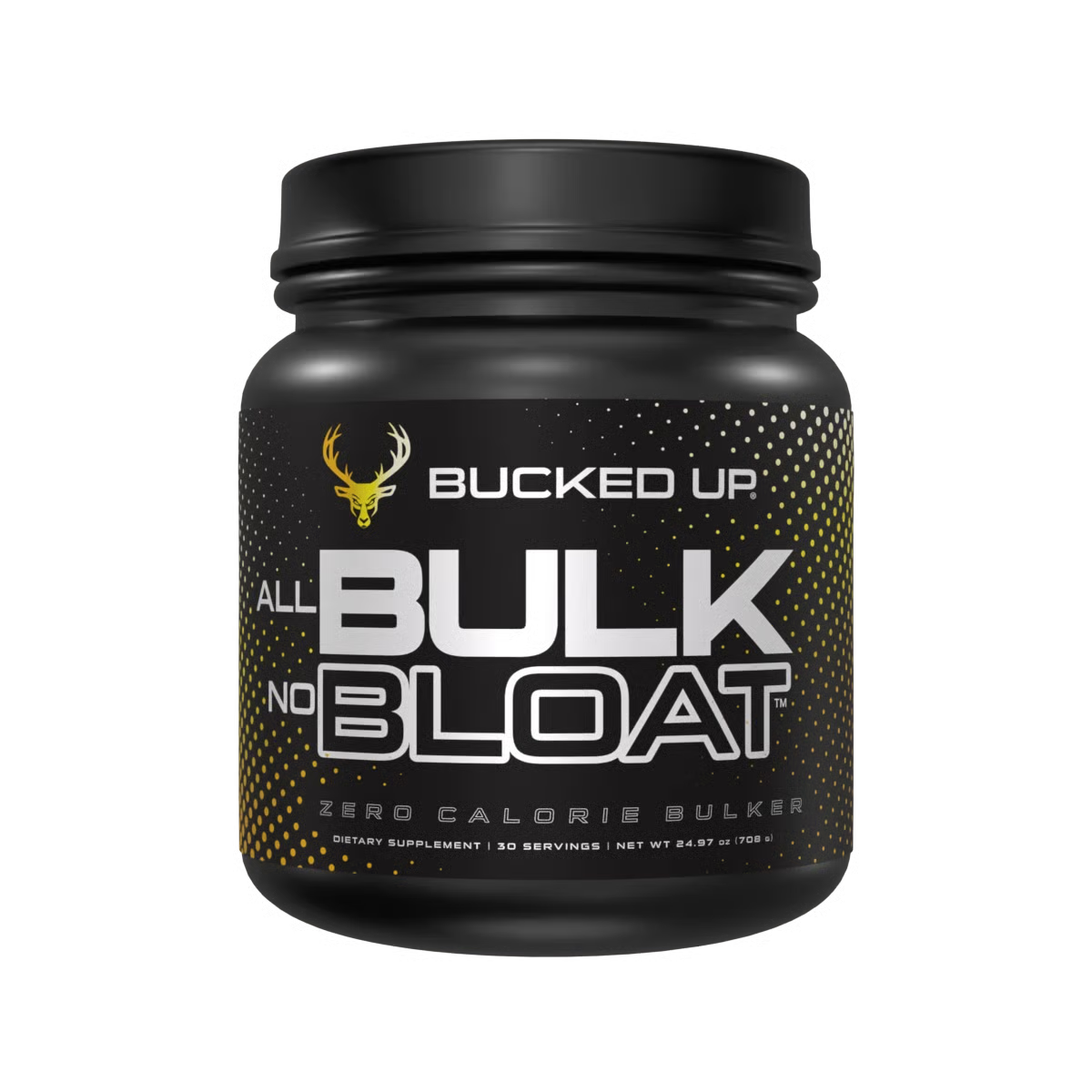
Bucked Up’s Buck Build offers a comprehensive stack that combines creatine forms with L-glutamine, magnesium, and betaine for recovery and ATP support.1 This approach supports the phosphocreatine system through creatine and cofactor activity through magnesium. For athletes who prioritize lean gains, the All Bulk No Bloat formula includes creatine monohydrate, magnesium, and additional cofactors to support muscle growth while limiting water retention.1
The table below compares three stack approaches designed for different athletic goals and convenience needs, along with the Bucked Up products that align with each strategy:
| Stack Type | Athlete Focus | Key Benefits | Bucked Up Products |
|---|---|---|---|
| Power Stack | Sprinters, Powerlifters | Short-burst ATP support, strength | Pure Creatine + Buck Build |
| Endurance Stack | Cyclists, Runners | Sustained energy, recovery | Six Point Creatine + All Bulk No Bloat |
| Convenience Stack | Busy Athletes | Portable dosing, no mixing | Creatine Gummies + Creatine HCl |
Creatine Forms and Their Role in ATP Support
Creatine forms differ in solubility, dosing feel, and potential for water retention, which can influence how athletes use them to support ATP. Creatine monohydrate remains the most researched form. Salem et al.’s 2026 research validated monohydrate’s ability to improve bar velocity and support cardiovascular efficiency during resistance training.1
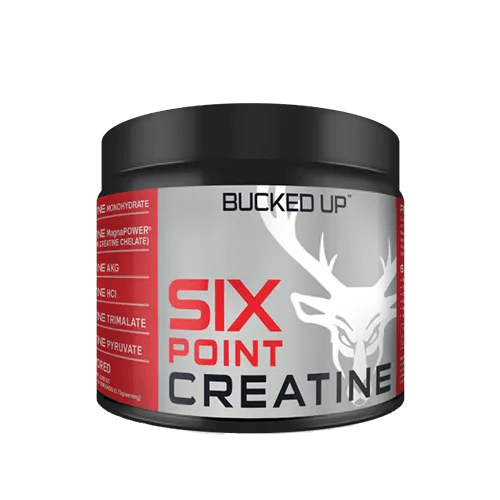
Creatine HCl offers higher solubility in water and tends to have a lower reported risk of bloating for many users. Bucked Up’s Creatine HCl uses CON-CRĒT® to support absorption while limiting water retention.1 The Six Point Creatine blend combines six creatine forms to provide varied absorption profiles and a more gradual release. When choosing a creatine form, consider solubility, how your stomach responds, dosing convenience, and your personal sensitivity to bloating.
| Creatine Form | Absorption Rate | Bloating Risk | Bucked Up Product |
|---|---|---|---|
| Monohydrate | Standard | Low with adequate hydration | Pure Creatine |
| HCl | Enhanced | Very low | Creatine HCl, Babe Creatine |
| Multi-blend | Varied release | Low | Six Point Creatine |
Frequently Asked Questions
What supplements increase cellular energy?
Creatine monohydrate supports cellular energy by helping maintain phosphocreatine levels for rapid ATP recycling.1 CoQ10 supports mitochondrial ATP production, while NAD+ precursors assist the electron transport chain. Magnesium acts as a cofactor for ATP activity. Bucked Up provides several creatine formats, including monohydrate, HCl, and gummies, to make daily use easier.
Should athletes take creatine daily including rest days?
Daily creatine intake helps maintain muscle saturation levels that support performance.1 Consistent use keeps phosphocreatine stores elevated so immediate ATP support is available when training resumes. Bucked Up’s powders, capsules, and gummies allow athletes to keep daily intake consistent in a way that fits their routine.
What is the difference between creatine powder, capsules, and gummies?
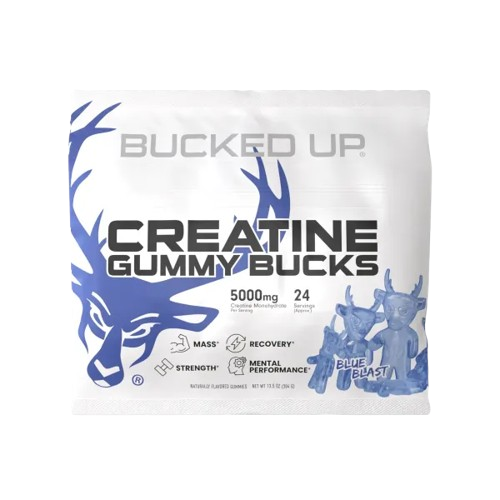
Powder forms such as Bucked Up’s Pure Creatine allow flexible dosing and easy mixing with pre-workouts or other supplements. Capsules provide precise dosing with no flavor, which some athletes prefer for convenience. Gummies offer a flavored, chewable option that removes the need for mixing. All three forms deliver creatine to support ATP-related performance when dosed equivalently.1
How much water should athletes drink with creatine?
Athletes using creatine should generally drink 80-100 ounces of water per day. Adequate hydration supports creatine transport into muscle cells and can help reduce the risk of cramping. Each serving of creatine works well with about 8-12 ounces of water for comfortable digestion and absorption.
Can creatine be taken before bed?
Creatine contains no stimulants, so athletes can take it at any time of day, including before sleep. Timing has less impact on muscle saturation than consistent daily intake. Bucked Up’s range of creatine formats allows flexible timing so athletes can take creatine when it fits their schedule.
Conclusion: Building an ATP-Focused Supplement Plan
ATP and cellular energy support for athletes often starts with creatine monohydrate and its role in the phosphocreatine system. Bucked Up’s creatine lineup covers different needs through pure monohydrate, bloat-conscious HCl, multi-form Six Point, and convenient gummies. Complementary supplements such as magnesium, CoQ10, NAD+ precursors, and others can support additional energy pathways and recovery.
1 The content provided in this article is for informational purposes only and is not medical advice. Consult with a medical professional before implementing any changes to your diet, health, or exercise routines.
Individual results will vary and are based on a combination of each individual’s diet, exercise, age, and health circumstances.
These statements have not been evaluated by the Food and Drug Administration. This product is not intended to diagnose, treat, cure or prevent any disease.
This article was written by Ryan Gardner, CEO of Bucked Up. As the maker of Bucked Up Creatine, we have a financial interest in this information. The views expressed are our own and should be read with that context in mind